It is a technical resource that helps businesses assign the correct numerical codes to their products for international trade. These codes determine the duty rates, taxes, and regulations that apply to your shipments as they cross borders.

Digital Certainty: In 2026, manual classification is a major liability. You should use automated tools to help bridge the gap between product specs and the latest updates.
The 32 Percent Risk: Recent data shows that nearly one-third of all customs declarations contain errors. This leads to heavy financial exposure.
Valuation vs. Classification: A single digit difference in a code can shift a product from duty-free to a 10 percent tariff overnight.
Strategy First: Use our HS code guide to help maintain priority clearance and reduce border inspections.
Classification is the DNA of international trade. For a compliance officer, an HS Code is a legal declaration that sets your tax liability and your regulatory path. In 2026, as customs authorities use more AI-driven audits, the cost of getting it wrong has never been higher. This guide helps you find the right codes to keep your supply chain in Indonesia moving smoothly.
An HS Code is a universal system used by over 200 countries to identify and tax products correctly. Here’s everything you need to know.
Global Foundation: The first six digits are identical worldwide to create a common language for trade.
Local Detail: Most nations add extra digits, usually reaching 8 to 13 depending on local requirements to track specific data or local taxes. In Indonesia, we use an 8-digit system known as the Indonesian Customs Tariff Book (BTKI).
Safety Checks: Our MyDHL+ platform uses these codes to help flag restrictions before you ship.
2026 Focus: Authorities are currently targeting green tech and digital goods, which are growing sectors in Indonesia.
Audit Risk: Using expired codes from the 2022 cycle causes immediate clearance delays.
Understanding the anatomy of a code allows you to spot errors at a glance. Every digit represents a narrowing of the product's identity. Here's how a standard 6-digit code is structured.
Position | Name | Description | Example (HS 6205.20) |
|---|---|---|---|
First 2 Digits | Chapter | Broad category of goods (1-97 chapters total). | 62 = Apparel, not knitted or crocheted |
Next 2 Digits | Heading | Product type within the chapter (00-98 per chapter). | 05 = Men's or boys' shirts |
Final 2 Digits | Subheading | Specific material, style, or feature (00-99 per heading). | 20 = Made of cotton |
While the first six digits are global, your local authority likely requires more. As mentioned, Indonesia expands this to an 8-digit code to provide greater specificity. Our MyGTS tools provide a keyword-to-code search that translates plain English into these technical digits instantly.
Misclassification is rarely treated as a simple clerical error by modern customs authorities. In 2026, it's viewed as a failure of corporate governance. If you're caught using a code that artificially lowers your duty, you risk being flagged as a high-risk shipper. This can lead to a cycle of 100 percent manual inspections for all your future shipments, causing significant delays at ports like Tanjung Priok.
The financial penalties are also substantial. In Indonesia, the Directorate General of Customs and Excise (Bea dan Cukai) can impose heavy administrative fines. Under current regulations, this can be a penalty of 100% to 1000% of the import duty that was underpaid. This is in addition to the back-duty you must pay for every incorrect shipment cleared over the last five years.
Our expert clearance teams, acting as your PPJK (Pengusaha Pengurusan Jasa Kepabeanan), serve as a second pair of eyes on your data. We often catch logical errors before the declaration is even submitted. We understand the importance of building a trusted relationship with Bea dan Cukai, and this proactive filtering helps protect your reputation.
Your total landed cost is the sum of the product price, shipping, insurance, and duties. Because the HS Code sets the duty rate, it's the most volatile variable in your pricing. A wrong code can make your product price uncompetitive in a new market.
Free Trade Agreements (FTAs), like the ASEAN Free Trade Area (AFTA), make this even more complex. To qualify for a zero percent rate, your product must meet specific Rules of Origin linked to its HS Code. A 1-digit difference can disqualify your shipment from an FTA. This jumps your duty from free to 10 percent or more instantly.
We recommend using the DHL Landed Cost Calculator. It uses your HS codes to provide a duty estimate. This allows you to offer transparent pricing at your e-commerce checkout, so your customers won't be surprised by a tax bill upon delivery.
As a vast archipelago, Indonesia has unique logistical challenges and is a hub for composite goods and new tech. These are notoriously difficult to classify. For instance, a gift basket containing both wine and chocolate follows the "essential character" rule. You must decide which component gives the set its primary character or classify the items separately.
Other common friction points in 2026 include:
Smart Wearables: You must decide if a fitness tracker is a watch or a data transmission device.
Drones: These can be cameras, toys, or aircraft depending on their weight and use.
Electronics: Many electronics entering Indonesia require a pre-shipment Indonesian National Standard (SNI) certificate. Failure to secure this can result in your goods being held by Bea dan Cukai.
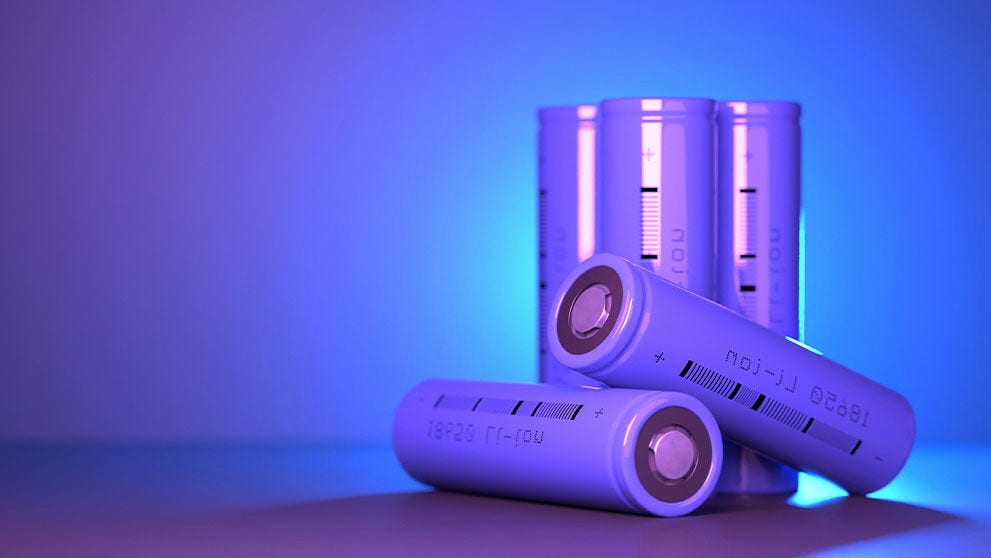
Green Energy: Solar panels with integrated inverters have different codes than standalone panels.
We provide specialised handling for these high-tech sectors. We help ensure your classification reflects the latest HS code classification standards, especially during peak periods like the lead-up to Hari Raya Idul Fitri when shipping volumes surge and can cause delays.
You shouldn't rely on a basic web search for customs classification. Product descriptions in marketing materials rarely match the technical language required by customs law. You need professional tools to help build a validated SKU library.
Recent monitoring identifies a high percentage of error rates in declarations. This proves that even experienced teams are struggling with the complexity of 2026 trade. To protect your business, we suggest following these three steps.
Use Professional Tools: Check your codes against global databases using our MyGTS tools.
Request a Ruling: For high-value items, seek formal tariff advice from Bea dan Cukai for legal certainty.
Audit Your SKU List: Conduct an annual review of your most-shipped codes to ensure they haven't been revised.
Accurate HS code classification is the key to a smooth supply chain. With the right partner, you can help turn complex compliance into a competitive advantage. Speak to a DHL specialist today to check your codes and get help to unlock new markets with confidence.
It is a technical resource that helps businesses assign the correct numerical codes to their products for international trade. These codes determine the duty rates, taxes, and regulations that apply to your shipments as they cross borders.
Duty rates are tied to HS codes. If the World Customs Organization or your local government updates the tariff schedule, the rate for your specific code might increase. This is why regular audits of your SKU library are essential.
The first six digits are the same worldwide, but the final digits often vary by country. You must check the specific tariff schedule for each destination market, like the 8-digit BTKI in Indonesia, to ensure you're using the full, correct code.
Using the wrong code can lead to shipment delays, seizures, and heavy fines, including administrative penalties of 100%-1000% of the duty deficiency in Indonesia. It can also result in back-duty bills for shipments you've already sent. Plus, it may cause you to lose your status as a trusted trader.
We provide digital tools like MyGTS to help you find the right codes. Our expert team can also review your data to help catch errors before they reach customs, giving you peace of mind.


 Share
Share