#LogisticsAdvice

Find the Right Logistics Partner for Your Business

Olaniran Fafowora
Olaniran Fafowora
Senior Director Commercial
4 min read
Find the Right Logistics Partner for Your Business
This article covers:
What couriers, freight forwarders, hauliers, warehouses and last-mile providers do
How to assess a provider’s credentials, coverage, tracking and handling of your shipment
Why it pays to check the full quote and know who’s responsible at every stage

Nigeria's freight and logistics market is projected to reach an estimated $17.73 billion in 2026, according to Mordor Intelligence.

Yet much of the work is handled by small operators that may be difficult for businesses to assess. A 2026 market assessment commissioned by InfraCredit and developed with Agusto Consulting highlights the sector's structure and challenges, including the large role played by smaller transport operators.

That helps explain why quotes for the same shipment can vary so widely. It also explains why a company's name on a website may not tell you who will actually move your goods. The right partner depends on what you're shipping, where it's going and how quickly it needs to arrive. Here's a practical guide to the main types of logistics providers in Nigeria and what to consider before you book.

The main types of logistics companies in Nigeria

Logistics providers generally specialise in one or more of five areas. Larger companies may offer several services, but each addresses a different shipping need.

Provider type

What it handles

A good fit when

Express and courier

Door-to-door delivery of documents and parcels, within Nigeria and internationally

Speed, convenience and tracking matter more than the lowest cost per kilogram. DHL Express serves more than 220 countries and territories, with domestic delivery options in Nigeria.

Freight forwarding and customs

Booking air or ocean freight, preparing shipping documents and arranging customs clearance

You import or export larger volumes, including container shipments. DHL Global Forwarding offers air, ocean and road freight, as well as customs services.

Haulage and road freight

Moving containers, bulk goods and other cargo by truck, including between ports and inland locations

Your goods are heavy, bulky or already in Nigeria. DHL Global Forwarding provides road freight and inland delivery options.

Warehousing and contract logistics

Storing goods, managing inventory, and picking and packing orders

You need stock held close to your customers or want support managing fulfilment. DHL Supply Chain provides contract logistics services.

Last-mile delivery

The final leg of a shipment to homes and businesses, often by van or motorcycle

You deliver frequent, smaller orders within a city or service area. DHL Express offers delivery options that give recipients more control over when and where a parcel arrives.

A single shipment may pass through several providers: a freight forwarder brings it into the country, a haulier moves it inland, and a courier completes the final delivery. Each handover can add paperwork, time and uncertainty. When possible, choosing a provider that can coordinate more of the journey can make it easier to track progress and know who is accountable.

/content/dam/nigeria/logistics-advice/logistics-insight-/How to choose a logistics company for your business.jpg

How to choose a logistics company for your business

The right provider isn't necessarily the one with the lowest quote. It's the one that matches your shipment and gives you a clear understanding of the service, costs and responsibilities. Start with these five questions.

1. What are you shipping, and how often?

Begin with the shipment itself. Its weight, dimensions, value, destination and delivery deadline will help determine what kind of provider you need.

A courier may be right for regular parcels, while a business importing containers will likely need a freight forwarder. A provider that serves only Lagos, for example, may be suitable for local deliveries but not for a shipment bound for Kano or an overseas customer.

Some shipments fall between parcel delivery and traditional freight. DHL Heavy Weight Express is designed for heavy international shipments, handling up to 1,000 kg per piece and 3,000 kg per shipment.

2. Is the provider licensed for the work?

If a company will lodge customs declarations on your behalf, ask whether it is licensed by the Nigeria Customs Service. If it provides freight-forwarding services, check its registration with the Council for the Regulation of Freight Forwarding in Nigeria (CRFFN). Ask to see the relevant credentials and verify them before you book.

This matters because your business remains responsible for meeting its import and export obligations. A qualified provider can help you manage the process, but accurate documentation and compliance still matter.

3. Who will actually handle your shipment?

Some providers subcontract parts of a job to other operators. That isn't automatically a problem, but it's worth knowing who will be responsible at each stage.

Ask which parts of the shipment the company handles directly, which are subcontracted, and who you should contact if there's a delay or damage. A single provider coordinating more of the journey can reduce handovers and make accountability clearer.

4. Can you track the shipment?

Tracking helps you plan around deliveries and keep customers informed. Ask what updates you'll receive, how often they're provided and whether you can check progress online without calling for an update.

DHL Express shipments can be tracked online, and On Demand Delivery gives recipients options to choose when and where a shipment is delivered.

5. Does the quote show the full cost?

A low transport rate may not include every charge. Customs duties and taxes, handling, storage or final delivery can all affect the total. Ask for a written breakdown before confirming the booking, and make sure you understand which costs may change.

For international shipments, DHL's MyGTS tool can help businesses review import requirements and estimate duties and taxes before shipping, making it easier to plan for the landed cost.

/content/dam/nigeria/logistics-advice/logistics-insight-/Start shipping with DHL.jpg

Start Shipping with DHL

A DHL Express Business Account gives your business access to shipping tools and rates tailored to your shipping profile.

Lagos remains one of the world’s most congested ports, with ships often waiting two to three weeks at anchorage. Persistent issues like empty container returns add avoidable demurrage and detention fees for importers. Meanwhile, carriers are shifting capacity to more profitable routes and maintaining high peak season surcharges. 

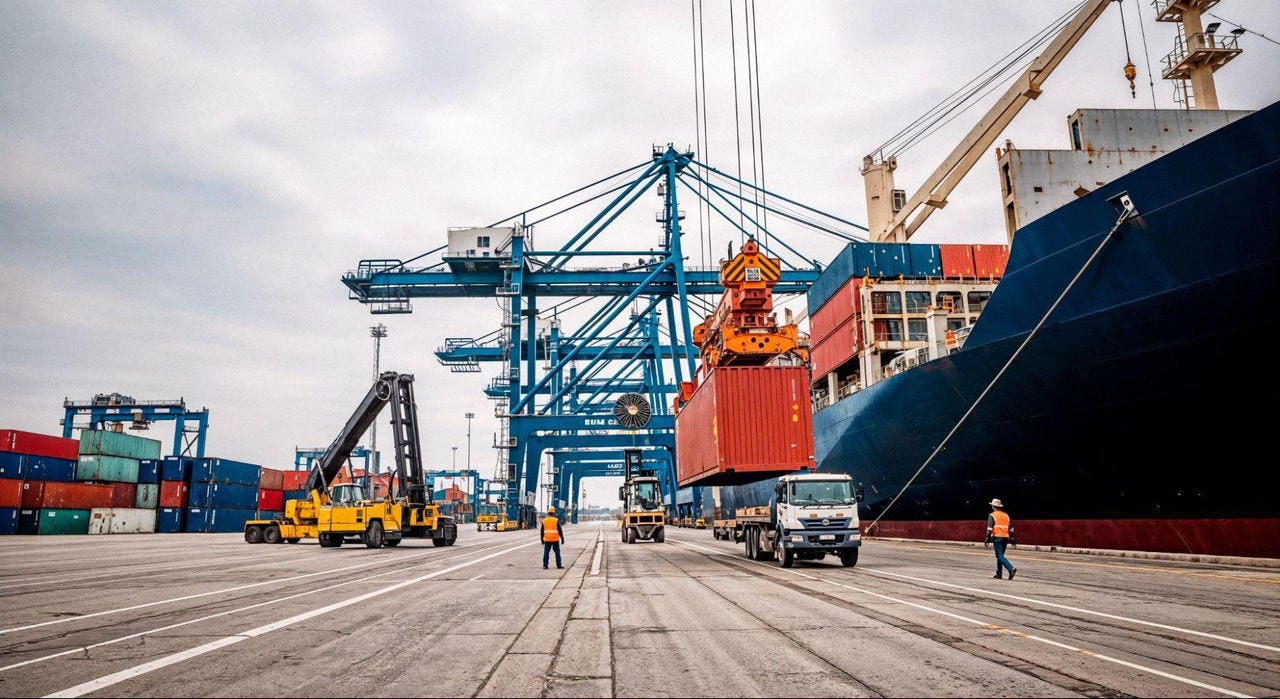
Diversions around the Red Sea and Strait of Hormuz keep ocean freight rates firm. For these shipments, DHL Global Forwarding is your partner of choice, offering ocean and air freight, customs brokerage, and road haulage solutions designed to get cargo moving swiftly and avoid costly delays. While parcels are handled by DHL Express, DHL Global Forwarding manages freight and container shipments.


Take Control of Your Shipping Costs

You can’t control the naira’s value or jet fuel prices, but you don’t have to let them turn every shipment into a guessing game. A DHL business account gives you access to preferential rates, expert customs support, and end-to-end tracking from pickup to delivery, helping you make your shipping costs predictable and manageable.

Explore your shipping options today and plan with confidence.

FAQs

Both. DHL Express delivers documents and parcels within set timeframes, while DHL Global Forwarding handles air and ocean freight, and DHL Supply Chain provides warehousing and contract logistics. In Nigeria, DHL Express offers courier services for both domestic and international shipments.

Look for a provider that can manage the last mile reliably. In e-commerce, the final delivery can be especially challenging, so clear tracking, flexible delivery options and convenient pickup points may matter as much as speed. These features help customers know when and where to expect their orders.

Imported goods usually travel inland by truck, though barge transport may also be an option. The right route depends on the shipment, destination, cost and timing, especially for bulk and industrial cargo.