Building a sustainable e-commerce brand in Malaysia’s competitive digital landscape requires a strategic roadmap that extends far beyond simply picking a website to host your products. While dropshipping offers a low-risk entry point by eliminating the need for upfront inventory, long-term success hinges on a deliberate, step-by-step progression and a clear understanding of how to navigate the regional supply chain.
To start your journey and transition from a casual seller to a professional entrepreneur, you must first identify a high-potential niche, select a reliable supplier model, and integrate with a platform that supports your specific operational needs. Only after securing your fulfillment strategy, payment gateways, and regulatory compliance can you truly scale a resilient business that stands out in the crowded marketplace.
To help you navigate this complexity, this guide serves as your tactical roadmap, breaking down the essential milestones from initial niche selection to global scaling.
1. Finding your platform fit for your niche market
The perfect dropshipping platform doesn’t exist in a vacuum; rather, the right choice is dictated by the specific demands and restrictions of your chosen niche. Different product categories carry unique logistical and legal burdens that your platform must be equipped to handle seamlessly.
- Health and wellness: This niche demands platforms with robust documentation capabilities. Because supplements are subject to strict National Pharmaceutical Regulatory Agency (NPRA) compliance in Malaysia1, you need a system that allows for the easy upload of certifications and ensures your marketing claims remain within legal boundaries to avoid account suspension.
- Beauty and cosmetics: Beyond ingredient transparency, beauty products often face destination restrictions due to liquid or chemical contents. Navigating these conditional shipping rules requires platforms that provide deep regulatory insights to ensure sensitive formulas clear customs without the risk of detention or formula degradation.
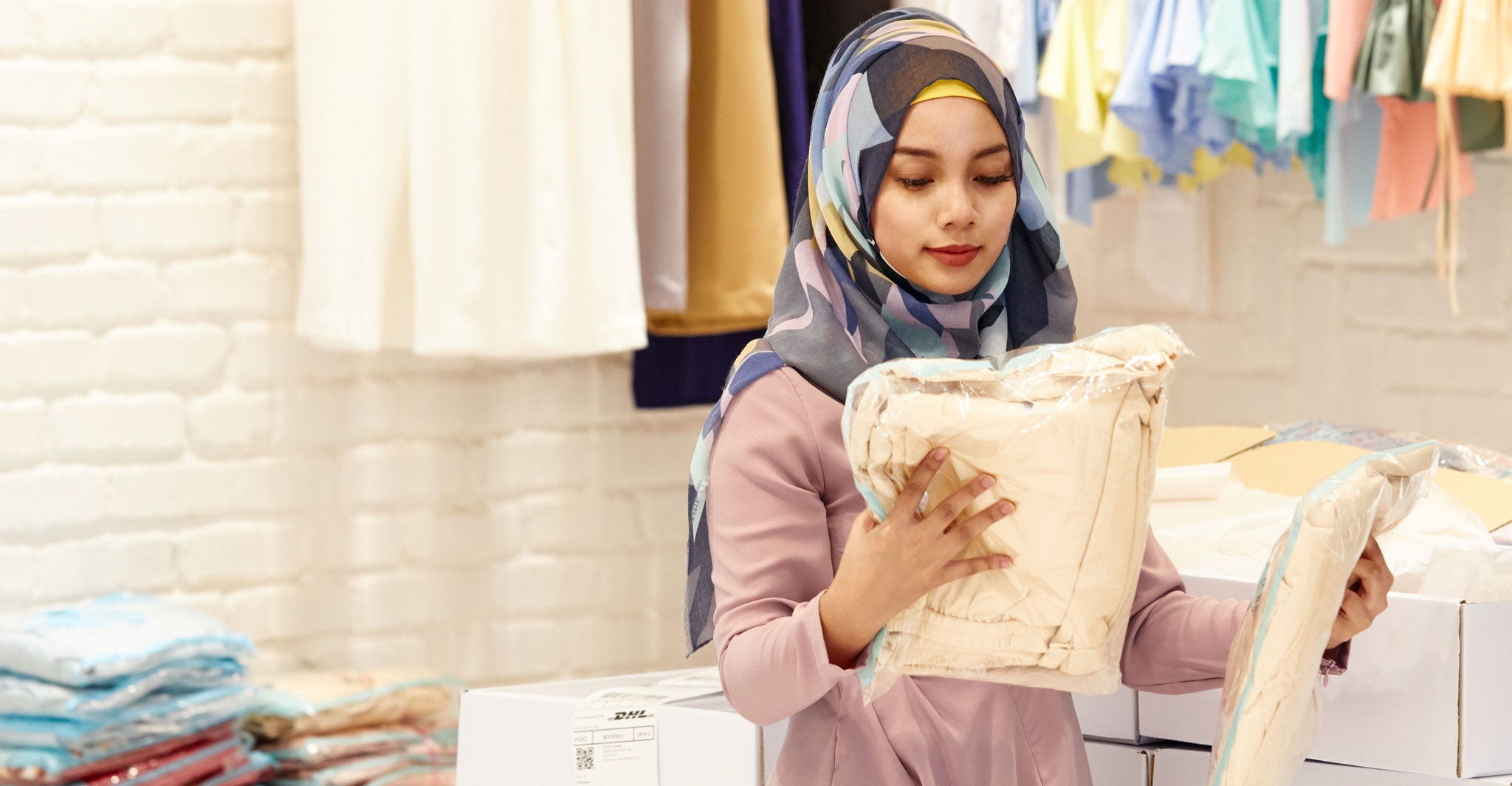
- Modest fashion: This high-demand category requires specialized platforms capable of managing rapid, trend-driven seasonality and the heavy logistical burden of sizing returns.
- Auto accessories and parts: Success in the automotive aftermarket requires a platform built for complexity, capable of handling granular HS classifications. Because these shipments often involve bulky, heavy, or high-value components, you need a logistics infrastructure that can manage DIM weight pricing and specialized handling to ensure parts reach workshops or consumers without costly transit delays.
- Home and living: Sourcing through platforms that allow you to navigate DIM weight pitfalls. Since home decor is often light but voluminous, you need a platform that provides accurate, real-time shipping quotes based on package volume rather than just raw weight.
2. Choosing your supplier model
Selecting the right partnership structure is the engine that drives your business’s profitability and reliability. Your choice depends on whether you prioritize a vast, easily accessible inventory or deeper, more exclusive manufacturing relationships.
Aggregators vs. direct manufacturers
The supplier model you adopt dictates your control over product quality and your ultimate profit margins. There are two models to consider:
- Aggregators: These act as middlemen, consolidating products from thousands of sources. They offer immense variety and easy integration but often come with thinner margins and less control over the final packaging.
- Direct manufacturers: Partnering directly with the factory allows for private labeling and higher margins. While it requires higher minimum orders or more complex negotiations, it builds a more defensible and unique brand.
Local vs regional vs global
The geographical location of your supplier creates a ripple effect that touches every part of your delivery promise and return policy.
Model | Delivery promise | Returns dynamics |
Local (Malaysia) | 1–3 days. This aligns with the instant gratification baseline now expected in urban hubs like the Klang Valley. | Instant and low-cost. Easy local exchanges significantly boost customer lifetime value, as nearly half of Malaysian shoppers will switch platforms after just one poor delivery experience. |
Regional (ASEAN/China) | 1–25 days. This model relies on value-conscious consumers who are willing to trade speed for a wider selection of trending items from across ASEAN or China. | Moderate complexity. While still viable, returns often require centralized regional hubs to remain cost-effective, making no-return refund policies a common alternative for low-ticket items. |
Global (US/EU) | 1–11+ days. This window is only tolerated for unique, high-status, or specialized goods that are unavailable domestically, like eco-certified electronics or premium Western wellness brands. | High barrier. High shipping costs often make physical returns impractical. Success here requires aggressive pre-purchase trust-building to minimize the need for returns entirely. |
3. Choosing your dropshipping platform
What should you look for in a dropshipping platform?
When looking for the best dropship platform for your business in Malaysia, consider these factors to ensure it aligns with your needs and goals:
- Supplier location: Consider whether the platform primarily features Malaysian or international suppliers. Local suppliers may offer faster deliveries, but international platforms can provide a broader selection of e-commerce suppliers.
- Product range and niche: Evaluate if the platform’s product range and niches align with your target audience and your overall business strategy. A focused niche can help you stand out.
- Integration with marketplaces: Check the platform’s compatibility with popular marketplaces in Malaysia, such as Shopee, Lazada, Shopify, and WooCommerce. Seamless integration can significantly streamline your operations.
- Shipping speed and costs: Understand the platform’s typical shipping speeds and associated costs. Fast fulfillment and competitive shipping rates are vital for customer satisfaction when dropshipping in Malaysia.
- Payment and subscription fees: Be aware of any payment processing fees or subscription requirements associated with the platform, as these can impact your profitability.
Best dropshipping websites in Malaysia
If your dropshipping business strategy involves offering a broad selection of products to cater to a diverse customer base, these foundational dropship platforms provide the inventory depth and marketplace integration required to scale effectively in the Malaysian market.
- Kumoten: Kumoten features a massive catalog primarily stocked in Malaysian warehouses alongside overseas options that expand your range to over 100,000 items. Crucially, it offers seamless integration with Shopee and Lazada, though sellers should factor in monthly subscription fees (starting around RM69.90) into their operational budget.
- SaleHoo: For those prioritizing supplier quality and market intelligence, SaleHoo provides a vetted global directory of over 8,000 trustworthy suppliers. Beyond just a list of names, the platform includes a Market Research Lab to help you identify trending, high-profit products before the market becomes saturated. While it requires an annual membership fee (starting around RM425.79), it’s an essential tool for sellers looking to connect with legitimate wholesalers and international brands.
- CJdropshipping: Acting as a comprehensive one-stop service, CJdropshipping manages the entire lifecycle of a sale, from product sourcing to international fulfillment. With a network of over 10 global warehouses, including local hubs in Southeast Asia, they offer automated order processing that syncs directly with your store. This is a top-tier choice for beginners who want a simplified, hands-off approach to global sourcing and secure, uniform packaging.
Focusing on more specialized product categories to build a dedicated brand following? These niche-specific platforms offer curated catalogs and specialized logistics for specific customer segments in Malaysia.
- AliDropship: Available as a one-time payment plugin for WordPress and WooCommerce, AliDropship offers high-level automation for importing products, updating prices, and tracking orders. While highly powerful, its focus is strictly tied to AliExpress, making it the best fit for sellers who have already identified winning products on that specific marketplace.
- DropShipMalaysia: If your brand identity revolves around the home and lifestyle niche, DropShipMalaysia is a premier local choice. They specialize in categories like kitchen tools, home organization, and stationery, offering a mix of local and imported goods at competitive prices. Their focused catalog allows you to build a cohesive store aesthetic that appeals to the "organized home" trend currently dominating Malaysian social commerce.
- Kime: For entrepreneurs entering the high-velocity world of fashion, Kime offers a specialized program for apparel and footwear. Their catalog covers everything from children's clothing to modest wear and school uniforms. They support dropshippers with professional product imagery and local delivery via Jnt or Pos Laju, ensuring your fashion brand can keep up with rapid trend cycles.
4. Choose your fulfillment strategy
In the fast-paced 2026 e-commerce environment, a rigid fulfillment model is often a bottleneck to growth. Savvy Malaysian entrepreneurs are increasingly adopting a hybrid fulfillment strategy: they utilize dropshipping to leanly test emerging trends without financial risk, while simultaneously moving winning products into local third-party logistics (3PL) warehouses to achieve lightning-fast delivery.
This dual approach ensures you never miss a viral trend while maintaining last-mile excellence for your core inventory. In an era where consumers demand transparency, choosing a courier that provides real-time tracking and on-demand delivery (ODD) is no longer an optional perk—it’s a non-negotiable requirement for customer retention and building long-term brand equity.
5. Choose a payment gateway
Securing your revenue requires a strategic balance between local familiarity and international flexibility. To capture the Malaysian domestic market, your checkout must prioritize local trust by integrating FPX-enabled gateways like iPay88 or Billplz, which are the preferred methods for the majority of local online shoppers.
However, as you scale beyond borders, global scalability becomes paramount; integrating providers like Stripe or PayPal allows you to seamlessly process multi-currency transactions and navigate international fraud prevention protocols. By offering a diverse payment stack, you reduce cart abandonment and ensure that your business is accessible to both the local neighborhood and the global marketplace.
Compliance
Building a legitimate dropshipping enterprise in Malaysia means staying ahead of the evolving regulatory curve. At the foundation, SSM registration is mandatory for any commercial activity, providing your business with the legal standing required to open corporate bank accounts and sign with major gateways.
As of 2026, compliance also extends into the digital realm with the nationwide implementation of e-invoicing. This is a government initiative that mandates real-time tax reporting and heightens transaction transparency, making meticulous record-keeping a prerequisite for operational survival.
Beyond taxation, strict adherence to consumer protection laws, specifically regarding transparent refund policies and truthful product descriptions, is no longer just a hurdle for avoiding legal penalties. In today’s high-scrutiny digital economy, these compliance measures serve as the bedrock of professional credibility, ensuring your business remains reputable in an environment where consumer trust is the primary currency.
Risk-control: Protecting your business
Supplier vetting checklist
The stability of your brand is only as strong as your weakest supplier, making a rigorous vetting process your most effective insurance policy. Before committing to a long-term partnership, sample ordering is essential to verify that product quality aligns with your marketing images.
Beyond the product itself, you must conduct a thorough lead-time verification, specifically testing how a supplier performs during peak traffic periods such as 11.11 or the festive seasons. A supplier who consistently misses their shipping window during these periods will eventually cost you your reputation and your seller rating.
Dispute and refund handling
A clear, proactive approach to conflict resolution can turn a frustrated buyer into a loyal advocate. For low-cost items, implementing a no-questions-asked return policy is often the most cost-effective move, as the logistical cost of a return often exceeds the product's value.
Conversely, for high-value goods, you should establish a structured dispute process that requires photo or video evidence of defects. This balanced system protects your profit margins from fraudulent claims while ensuring that genuine customer grievances are addressed with the professional urgency they deserve.
How to avoid the platform ban
Marketplaces like eBay, Shopee, Lazada, and TikTok Shop have become increasingly aggressive in weeding out unreliable sellers through strict trust metrics. To keep your account in good standing, you must obsessively manage your late shipment rate (LSR) and non-fulfillment rate (NFR). Once these climb above the platform's threshold, your visibility will plummet, or your shop could be permanently suspended.
Additionally, you must be vigilant regarding intellectual property (IP) rights. Listing lookalike products or using copyrighted imagery without permission is the fastest way to trigger an irreversible platform ban in the modern digital age.
The "go global in 14 days" checklist
Transitioning from a local dropshipper to a global entrepreneur is a high-speed maneuver that requires precise execution across four critical domains. In the 2026 trade environment, speed is only an advantage if it’s backed by digital compliance and a seamless user experience. Use this 14-day roadmap to synchronize your storefront, payments, and logistics for international scale.
Phase 1: Digital presence and storefront (days 1–4)
- Update your storefront to include multi-currency display and language translation for your top three target regions.
- Draft and publish a global shipping and returns policy that clearly outlines transit times and duty responsibilities.
- Display recognized international security seals and payment logos (Visa, Mastercard, PayPal) to lower the barrier for foreign buyers.
Phase 2: Global payment setup (days 5–7)
- Activate a global gateway like Stripe or 2Checkout to allow customers to pay in their local currency while you settle in MYR.
- Ensure your PayPal business account is verified. This remains the most trusted form of safety net for international shoppers who wary of new brands.
- Configure your gateway’s AI risk-scoring to flag high-risk geographic zones or mismatched IP or billing addresses.
Phase 3: Shipping and logistics integration (days 8–11)
- Connect your store directly to a global carrier like DHL Express via API to provide real-time, weight-based shipping quotes at checkout.
- Integrate a tool that automatically calculates duties and taxes so customers can choose to prepay them during the transaction.
- Enable automated email or SMS triggers that send the international tracking number to the customer as soon as the label is generated.
Phase 4: Customs and compliance documentation (days 12–14)
- If targeting the EU or UK, ensure you have your EORI number and VAT registration ready for digital customs filing.
- Assign a 6-to-10-digit Harmonized System (HS) code to your top 20 products to prevent holds at the border.
- Set up a 2026-compliant digital invoice template that includes your business logo, tax IDs, and accurate "Reason for Export.”
Take your business further with dropshipping

Building a resilient e-commerce brand in Malaysia’s 2026 landscape requires a holistic strategy that transcends simply choosing a dropship platform. Success is found at the intersection of a well-vetted supplier model, a localized payment stack, and a robust compliance framework. By synchronizing these elements with automated fulfillment and transparent logistics, you move beyond the low-risk entry phase and into the realm of a scalable, professional enterprise.
Embrace the opportunities that dropshipping in Malaysia offers and embark on your entrepreneurial journey today!


 Share
Share
Similar Stories