#eCommerceAdvice


 Share
Share
Key festive seasons in Malaysia e-commerce businesses should know about
7 Mins Read
Share

Malaysia doesn’t really have a single peak sale season; instead, it has several stacked across religions, cultures, and retail-led promotions. For e-commerce sellers, this is both a gift and a headache: more opportunities to run a festive season sale, but also more pressure on inventory, marketing, and fulfillment.
Having a solid festive calendar for 2026 can help you map what’s coming, align your campaigns with cultural moments and mega sales, as well as avoid getting blindsided by an e-commerce peak season you forgot existed.
Malaysia’s core festive seasons in 2026 (and why they matter)
Chinese New Year (late Jan / Feb 2026)
Chinese New Year is usually the first major upcoming festive season of the year. Shopping spikes start 2–3 weeks before reunion dinners, driven by gifts, new clothes, home refreshes, snacks, and travel items. Expect strong demand in fashion, beauty, hampers, electronics, and home appliances.
If you sell items that are commonly gifted, plan bundles and “auspicious” limited editions early. Logistics also tightens because many businesses pause or slow operations near the holiday, so be sure to plan for shipping ahead of time.
Ramadan and Hari Raya Aidilfitri (Mar / Apr 2026)
Malaysia’s Department of Statistics has linked Raya periods to major retail surges, reinforcing why this is a peak season for e-commerce sales.1 Remember that Ramadan is a long build-up peak, not a single-day surge. Sellers see demand rise steadily through the fasting month, then jump sharply right before Hari Raya Aidilfitri. Categories that win include modest fashion, beauty, food gifting, homeware, and kids’ items.
A good rule: start teaser campaigns in early Ramadan, then switch to urgency messaging (“order by X date”) in the last 10 days.
Hari Raya Haji / Aidiladha (May / Jun 2026)
Aidiladha typically has a smaller impact on online retail than Raya Aidilfitri, but it’s still meaningful for family gifting, travel, and festive groceries. It’s also a second chance to re-activate audiences you acquired during Ramadan.
If you run loyalty or re-targeting campaigns, this is your follow-up festive season sale to convert first-time buyers into repeat customers.
Wesak Day (May 2026)
A shorter, more contained peak, but important for niche categories such as religious items, wellness products, vegetarian or vegan F&B, and home offerings. Traffic is noticeable but concentrated. Flash deals or themed collections work better than heavy multi-week campaigns.
Kaamatan & Gawai (May / Jun 2026; East Malaysia)
If you ship nationwide, remember that festive seasons in Malaysia are not uniform. For instance, Sabah and Sarawak peaks are powerful locally. Kaamatan (Sabah) and Gawai (Sarawak) drive demand for apparel, gifting, food, and party supplies.
Sellers targeting East Malaysia should schedule region-specific promotions and buffer extra delivery time due to higher last-mile constraints.
Mid-autumn Festival (Sep / Oct 2026)
This is a culturally-driven gifting peak centered around premium F&B: think mooncakes, tea sets, and luxury hampers. Pre-orders typically open 4–6 weeks before the festival, so content, landing pages, and gifting bundles should be ready early to capitalize on anticipated festive season sales.
Deepavali (Oct / Nov 2026)
Deepavali brings a strong spike in fashion, gold/jewelry, beauty, home décor, and gifting. Similar to CNY and Raya, shopping ramps up two to three weeks beforehand. The most effective campaigns lean into “new for the festival” positioning and family gifting packs.
Christmas and year-end festivities (Dec 2026)
Even though Christmas is not observed by all consumers, it remains a major commercial and gifting moment. It also blends into Malaysia year-end sales, so expect longer peak pressure. Use this window to clear slow-moving inventory, push gift bundles, and layer on free-shipping thresholds or loyalty perks.
Retail-led national and platform sales events to watch
Malaysia’s shopping behavior is heavily shaped by upcoming festive seasons, national and platform-driven mega sales, which come together to create an e-commerce peak season.
Mega sale campaigns / national sales events (mid-year and/or year-end)
Tourism Malaysia continues to position the Malaysia Mega Sale Campaign as a nationwide shopping push leading into Visit Malaysia 2026.2 Dates may shift slightly each year end but the pattern remains stable: big cross-retailer promotions, heavy voucher activity, and a flood of online bargains.
For e-commerce sellers, treat it like a peak season where consumers expect steep discounts, free shipping, and fast delivery.
Double-date sales: 6.6, 7.7, 8.8, 9.9, 10.10, 11.11, 12.12
These are no longer “nice to haves”; they are baked into the calendars of online shopping platforms (especially Shopee, Lazada, TikTok Shop, and Zalora). Singles’ Day (11.11) and 12.12 are the largest, often colliding with year-end gifting. If your e-commerce business can’t afford generous discounts, differentiate via bundles, exclusives, or limited-time add-ons.
Black Friday / Cyber Monday (late Nov, 2026)
Still smaller than 11.11, but growing among urban shoppers and cross-border buyers. It’s a useful runway into December, with many brands using it as an early opportunity to launch holiday lines.
How to turn the festive calendar into a working e-commerce plan for 2026
Plan inventory by season
It’s essential to take note that consumer behavior in Malaysia doesn’t evolve the same way across each e-commerce peak season. For instance, cultural festivals create predictable category demand, while platform mega sales create deal-driven demand across everything. Forecast separately, then combine.
If you’re carrying out import and export activities for seasonal products, place purchase orders earlier than usual, keeping in mind that congestion and factory lead times often tighten ahead of global holidays.
Start campaigns earlier than you think
For major festivals, the “decision window” starts weeks earlier even if checkout peaks later. Use early-bird promos, pre-orders, and wishlists to capture intent. Then switch to urgency and delivery deadlines closer to the date.
Protect fulfillment capacity
E-commerce peak seasons aren’t just about marketing. They’re about operational reality: packing materials, manpower, pickup scheduling, and contingency stock. Sellers who treat logistics as a last step often get crushed by volume. Use staggered promotions if you know your warehouse has limits.
Localize by state where relevant
Malaysia’s festival calendar can vary by region. Even national holidays may have different shopping intensity across states. If your ads allow geo-targeting, take advantage.
Build a post-peak retention plan
Festive shoppers are expensive to acquire, so don’t let them bounce. After each festive season sale, run follow-up offers for complementary products, restocks, or “thank you” vouchers.
Staying compliant during holiday e-commerce sales
Festive sales are high-visibility moments, which means compliance matters more than ever. If you’re running cross-border promotions or importing limited items, make sure your listings and checkout comply with local e-commerce regulations, especially around refunds, delivery promises, and product claims. If necessary, compile a peak season checklist to ensure compliance.
Also keep in mind tax and customs rules when importing stock for peak seasons. Duties and SST/GST-equivalent obligations can affect landed costs, so bake those into promo margins early.3
Make every festive season a growth opportunity
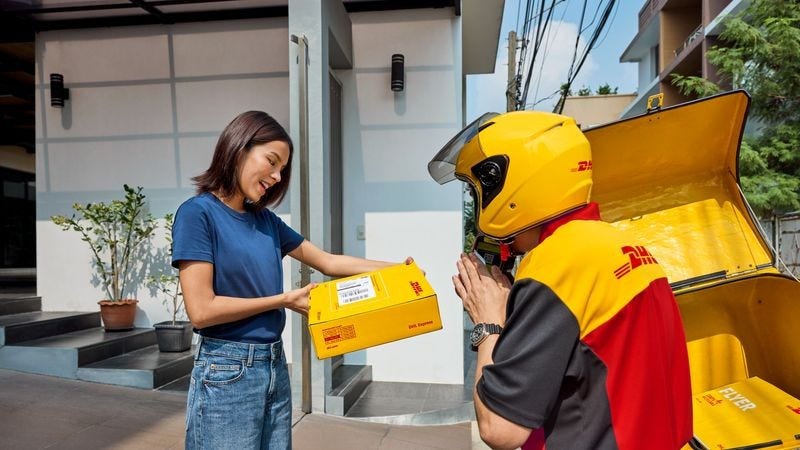
Malaysia’s retail rhythm is a series of waves. With a clear festive calendar that includes both cultural holidays and platform mega sales, small businesses can stop reacting and start leading in 2026. Map your upcoming festive season peaks, align products and budgets to each moment, and treat logistics and compliance as part of the customer experience, not an afterthought.
Share
Similar Stories