#LogisticsAdvice


 Share
Share
How to export herbal medicine & health supplements from Malaysia overseas
4 Mins Read
Share

Herbal medicines and supplements have long been advocated for their ability to treat or prevent illnesses since ancient times. These traditional remedies contain active ingredients derived from plant parts, such as the roots, leaves or blossoms. They restore our bodies’ natural balance to help them heal from diseases on their own or enhance our overall well-being.
As consumers’ preference for natural products rises worldwide, a broader range of products such as traditional medicines, herbal supplements, functional botanicals, and herbal powders, teas, and capsules have gained popularity as alternatives to conventional supplements and medicines for health maintenance.
If your business is looking to capitalize on this trend by exporting herbal medicines and health products from Malaysia to international customers, there are several essential things to keep in mind, particularly around product classification, global regulatory compliance, and shipping requirements.
To help improve your sales and shipping process, this article provides an overview of the different types of herbal and traditional health products, key compliance considerations for export, their shipping options, and the global demand for these products.
Global demand for herbal medicine and health supplement products
Global demand for natural and traditional health products has been rising, driven by shifting consumer attitudes towards wellness and preventive care. This includes conventional health supplements and herbal products, which are seen as an alternative to pharmaceutical products. Based on a study by Zion Market Research, the global market size of the herbal medicine industry was US$83 billion in 2024, with a projected compound annual growth rate of about 17.84% between 2025 and 20341.
Several long-term consumer trends are fuelling this growth, including the awareness of the side effects of synthetic drugs, expanding traditional medicine practices, and greater access to health information online. As such, companies can expect to find more opportunities in this booming industry.
Types of natural herbal supplements in Malaysia
As one of the world’s megadiverse countries, Malaysia offers a unique advantage for herbal product exporters, with abundant plant species forming the backbone of traditional medicines.
Malaysian herbalism draws on three ancient modalities, each utilizing popular plants for specific health benefits:
- Malay (Jamu): Focused on vitality and post-natal care using roots like Tongkat Ali and Kacip Fatimah.
- Chinese (Traditional Chinese Medicine): Promotes balance and energy with herbs such as Ginseng, Luo Han Guo, and Lingzhi.
- Indian (Ayurveda): Supports inflammation control and stress management with Turmeric, Ashwagandha, Black Seed, and Tulsi.
Traditional medicine products are also increasingly being transformed into high-value delivery formats like encapsulated extracts, liquid tonics, and chewable gummies, making them more palatable and marketable for international delivery.
Navigating regulatory registration in Malaysia
Ensuring your herbal and traditional medicine products meet Malaysia’s regulatory standards is a crucial first step for local and international sales.
Product registration process
Herbal products and health supplements in Malaysia must be registered under the National Pharmaceutical Regulatory Agency (NPRA). The process generally follows four key steps:
- Preparation: Gather product details, ingredient information, safety data, labelling specifications, key documents, token configuration, and information on patent or data exclusivity status.
- Submission: Complete the application and submit all required documentation to NPRA for review.
- Regulatory review: NPRA evaluates product compliance, safety, labelling, and claims to ensure alignment with Malaysian regulations.
- Post-registration Process: Maintain the registration through ongoing reporting, manage any amendments or product withdrawals, and carry out post-marketing activities to ensure continued compliance.
Preparing and labeling for global markets
When shipping herbal and traditional medicines from Malaysia internationally, labeling and documentation are critical. Avoid making therapeutic claims such as “cures diabetes,” as these can trigger a product reclassification as a drug. Instead, focus on functional claims like “supports healthy blood sugar” or “promotes general wellness,” which are acceptable for supplements.
Global consumer demand for herbal medication is also increasingly leaning towards organic and clean-label products, which emphasize minimal processing, natural ingredients, and transparency. For exporters, this means:
- Clearly communicating organic certification or clean-label attributes on packaging.
- Ensuring all claims and ingredient lists align with destination country regulations.
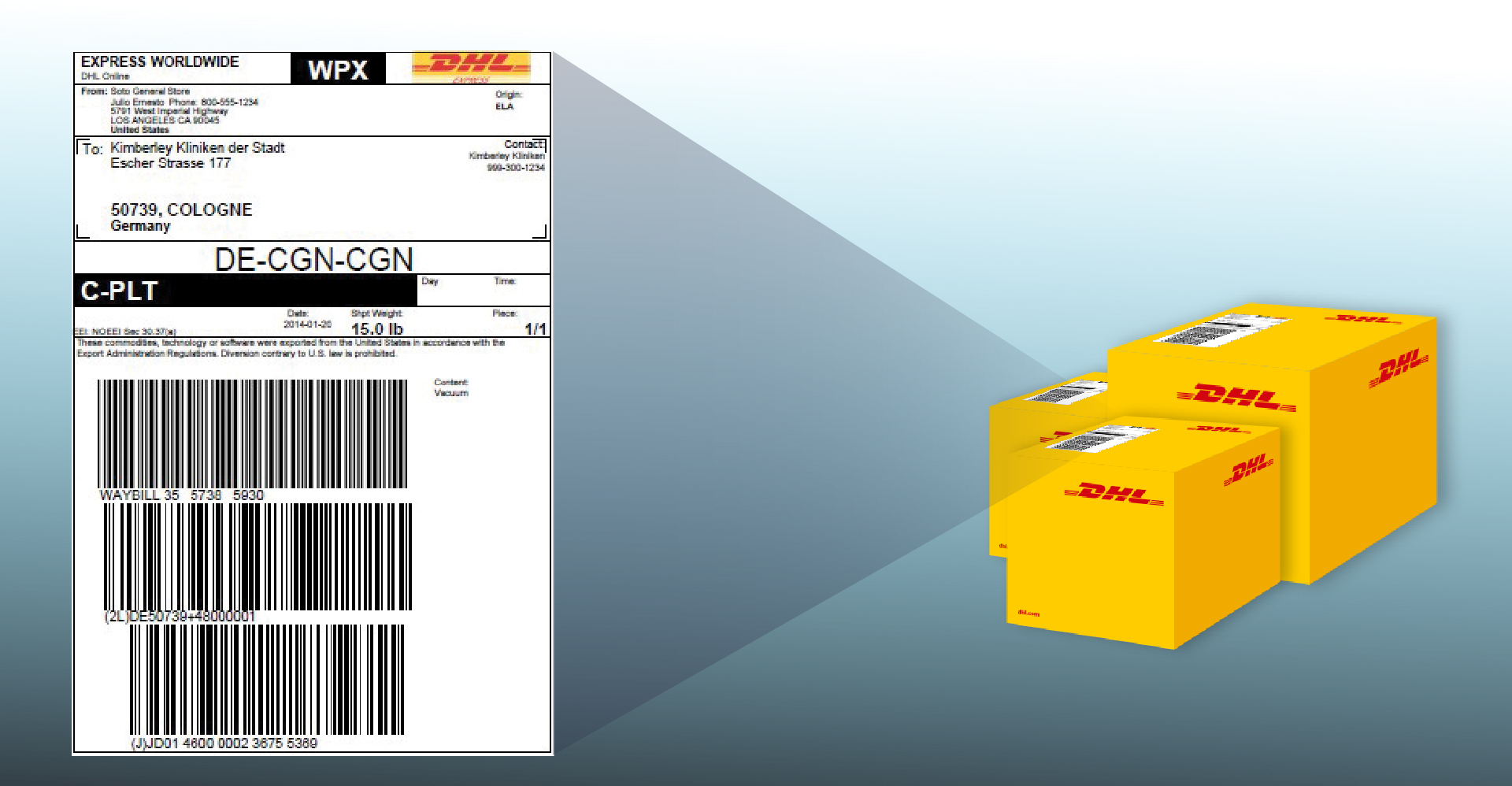
- Preparing documentation like Certificates of Free Sale (CFS) and Product Specification Sheets that reflect these claims, translated as needed for customs inspections.
Proper labeling and documentation not only help your shipments clear customs smoothly but also enhance the marketing and export appeal of your products, particularly in markets where organic and clean-label credentials are highly valued.
Strategies for shipping herbal medicine to international customers
Knowing how to ship medicines internationally from Malaysia is a key requirement for exporters in the industry. Here are the key points to note in the process:
1. Paying attention to regulatory requirements
Before reaching international customers, ensure your products are compliant with Malaysia’s regulatory requirements and ready for shipping abroad. Under NPRA, a Health Supplement (HS) refers to any product used to supplement a diet and to maintain, enhance, and improve the health function of the human body.
- Product registration: Herbal products must be registered with the Ministry of Health and assessed for safety, quality, labelling, indications, and claims before they can be marketed.
- NPRA oversight: Registration is handled by the NPRA, which governs medicines and supplements.
- In-house expertise: Registration requires knowledge of medical advertising laws and technical product requirements; involve your legal and product teams early in the process.
- External support: Professional agencies specializing in medicinal product registration can provide guidance and help ensure a smooth approval process.
When shipping herbal medication internationally, it’s crucial to check destination import rules, as requirements for herbal and traditional health products vary widely between countries.
Partnering with a medical logistics service provider like DHL Express can help ensure your shipments meet these regulations, from documentation to customs clearance, minimizing delays and keeping your products moving smoothly across borders.
2. Selling herbal products on e-commerce platforms
Once your products are properly registered and compliant, the next step is reaching customers with worldwide express delivery. One of the fastest ways to do this is through e-commerce platforms.
Businesses can set up their own website or list products on reputable e-commerce marketplaces to leverage their high traffic, expand international reach, and showcase herbal and traditional health supplement products directly to consumers.
3. Leverage marketing tools and platforms
With a compliant and live online store, you can use digital tools to drive more traffic and boost sales. E-commerce platforms also offer built-in resources to optimize your store.
For instance, Shopify provides website-building tools to improve the user interface, encouraging visitors to stay longer and return. Wix and BigCommerce, meanwhile, offer analytics features to identify areas for improvement and refine your store’s performance.
Social media platforms can also be tapped into to extend your reach. Collaborate with influencers to raise brand awareness or use live streaming tools to showcase and sell your herbal and health supplements directly to your audience.
Ship herbal products with ease to consumers worldwide
Once your supply of traditional medical products is secured and registered, and the orders are placed, the shipping process from Malaysia becomes critical to delivering a positive customer experience and encouraging repeat purchases.
Herbal products face stricter regulations than typical commodities, making them more susceptible to shipment delays if documentation is incomplete or incorrect. Because rules for herbal health supplements and traditional medicines vary across countries, required shipping documents also differ, adding complexity for exporters.
Partnering with a competent logistics provider like DHL Express that offers international medical courier services can make all the difference. With professional guidance, companies can navigate documentation requirements efficiently and ensure products reach customers quickly and reliably.Navigating regulatory registration in Malaysia
Ensuring your herbal and traditional medicine products meet Malaysia’s regulatory standards is a crucial first step for local and international sales.
Product registration process
Herbal products and health supplements in Malaysia must be registered under the National Pharmaceutical Regulatory Agency (NPRA). The process generally follows four key steps:
- Preparation: Gather product details, ingredient information, safety data, labelling specifications, key documents, token configuration, and information on patent or data exclusivity status.
- Submission: Complete the application and submit all required documentation to NPRA for review.
- Regulatory review: NPRA evaluates product compliance, safety, labelling, and claims to ensure alignment with Malaysian regulations.
- Post-registration Process: Maintain the registration through ongoing reporting, manage any amendments or product withdrawals, and carry out post-marketing activities to ensure continued compliance.
Preparing and labeling for global markets
When shipping herbal and traditional medicines from Malaysia internationally, labeling and documentation are critical. Avoid making therapeutic claims such as “cures diabetes,” as these can trigger a product reclassification as a drug. Instead, focus on functional claims like “supports healthy blood sugar” or “promotes general wellness,” which are acceptable for supplements.
Global consumer demand for herbal medication is also increasingly leaning towards organic and clean-label products, which emphasize minimal processing, natural ingredients, and transparency. For exporters, this means:
- Clearly communicating organic certification or clean-label attributes on packaging.
- Ensuring all claims and ingredient lists align with destination country regulations.
- Preparing documentation like Certificates of Free Sale (CFS) and Product Specification Sheets that reflect these claims, translated as needed for customs inspections.
Proper labeling and documentation not only help your shipments clear customs smoothly but also enhance the marketing and export appeal of your products, particularly in markets where organic and clean-label credentials are highly valued.
Strategies for shipping herbal medicine to international customers
Knowing how to ship medicines internationally from Malaysia is a key requirement for exporters in the industry. Here are the key points to note in the process:
1. Paying attention to regulatory requirements
Before reaching international customers, ensure your products are compliant with Malaysia’s regulatory requirements and ready for shipping abroad. Under NPRA, a Health Supplement (HS) refers to any product used to supplement a diet and to maintain, enhance, and improve the health function of the human body.
- Product registration: Herbal products must be registered with the Ministry of Health and assessed for safety, quality, labelling, indications, and claims before they can be marketed.
- NPRA oversight: Registration is handled by the NPRA, which governs medicines and supplements.
- In-house expertise: Registration requires knowledge of medical advertising laws and technical product requirements; involve your legal and product teams early in the process.
- External support: Professional agencies specializing in medicinal product registration can provide guidance and help ensure a smooth approval process.
When shipping herbal medication internationally, it’s crucial to check destination import rules, as requirements for herbal and traditional health products vary widely between countries.
Partnering with a medical logistics service provider like DHL Express can help ensure your shipments meet these regulations, from documentation to customs clearance, minimizing delays and keeping your products moving smoothly across borders.
2. Selling herbal products on e-commerce platforms
Once your products are properly registered and compliant, the next step is reaching customers with worldwide express delivery. One of the fastest ways to do this is through e-commerce platforms.
Businesses can set up their own website or list products on reputable e-commerce marketplaces to leverage their high traffic, expand international reach, and showcase herbal and traditional health supplement products directly to consumers.
3. Leverage marketing tools and platforms
With a compliant and live online store, you can use digital tools to drive more traffic and boost sales. E-commerce platforms also offer built-in resources to optimize your store.
For instance, Shopify provides website-building tools to improve the user interface, encouraging visitors to stay longer and return. Wix and BigCommerce, meanwhile, offer analytics features to identify areas for improvement and refine your store’s performance.
Social media platforms can also be tapped into to extend your reach. Collaborate with influencers to raise brand awareness or use live streaming tools to showcase and sell your herbal and health supplements directly to your audience.
Ship herbal products with ease to consumers worldwide
Once your supply of traditional medical products is secured and registered, and the orders are placed, the shipping process from Malaysia becomes critical to delivering a positive customer experience and encouraging repeat purchases.
Herbal products face stricter regulations than typical commodities, making them more susceptible to shipment delays if documentation is incomplete or incorrect. Because rules for herbal health supplements and traditional medicines vary across countries, required shipping documents also differ, adding complexity for exporters.
Partnering with a competent logistics provider like DHL Express that offers international medical courier services can make all the difference. With professional guidance, companies can navigate documentation requirements efficiently and ensure products reach customers quickly and reliably.
Share
Similar Stories