What is the difference between prohibited and restricted goods?
Prohibited goods are items that are banned from entry under any circumstances for safety, religious, or legal reasons. Restricted goods are items that can be shipped if you hold the correct permits or follow specific packaging rules. Knowing this distinction is the first step in protecting your business and your relationships with your customers.
As your logistics partner, DHL doesn't just say no to complex shipments. We help you find a way to ship safely by identifying the paperwork you and your licensed customs agent need. Here’s how these categories typically break down.
Category
| Status
| Examples
| Requirements
|
|---|
Prohibited
| Banned
| Counterfeit goods, illicit drugs, asbestos
| Absolute ban with no exceptions
|
Restricted
| Conditional
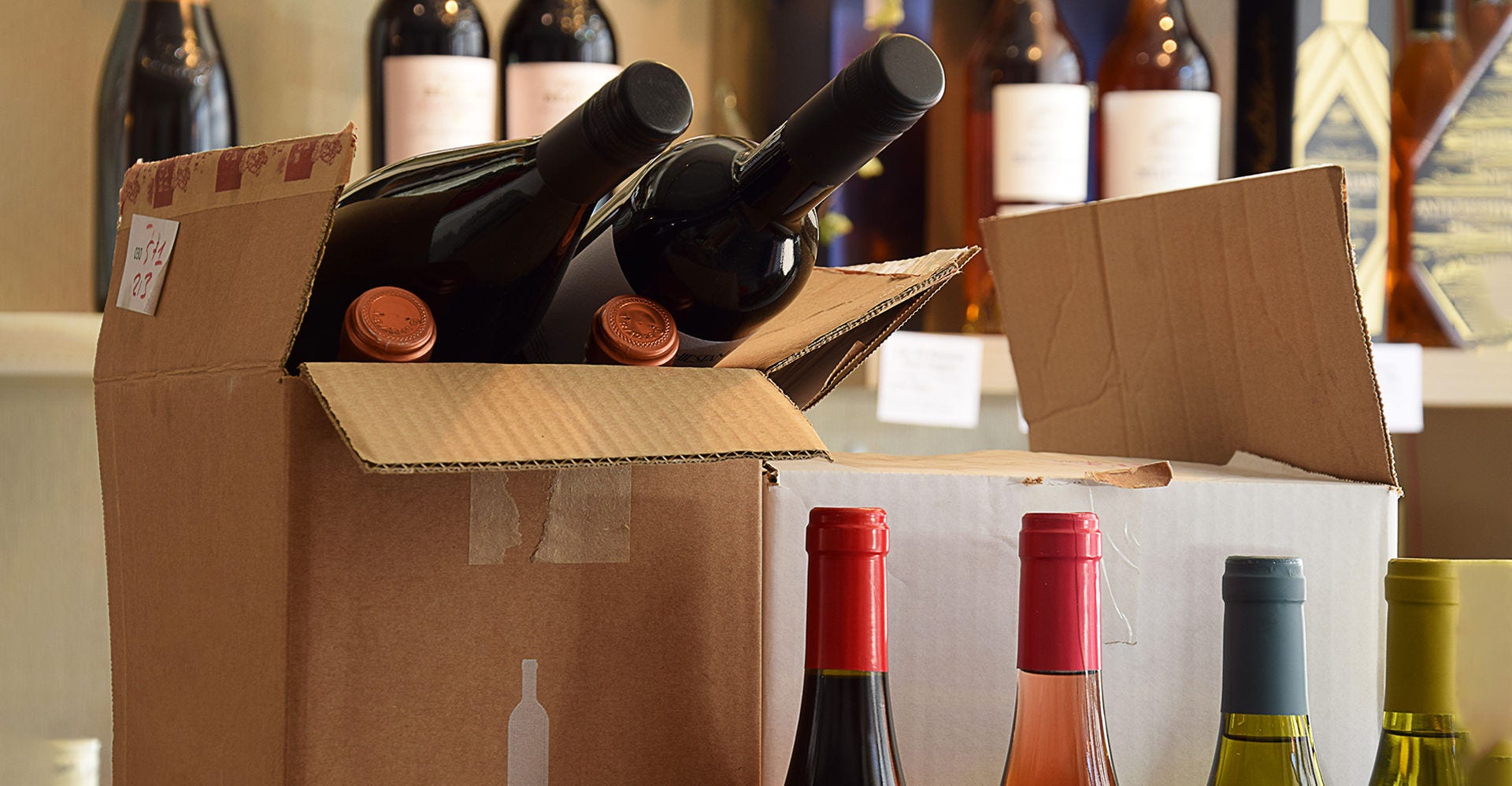
| Antiques, seeds, medical devices
| Requires government permits or certificates
|
Dangerous Goods
| Regulated
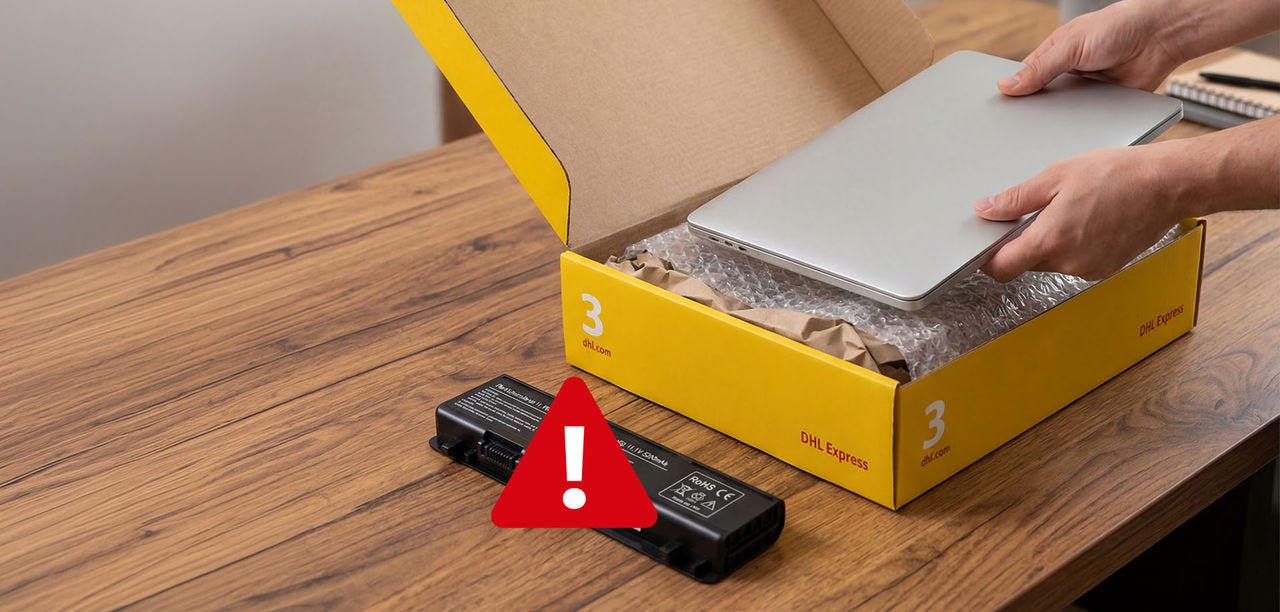
| Lithium batteries, perfumes, aerosols
| Must follow IATA packaging and labelling rules
|
Failure to tell these apart can result in your goods being destroyed at the border. While a counterfeit handbag is prohibited and will be seized, an 18th-century antique is restricted and can move if you provide an export licence.
Why is my beauty product classified as dangerous?
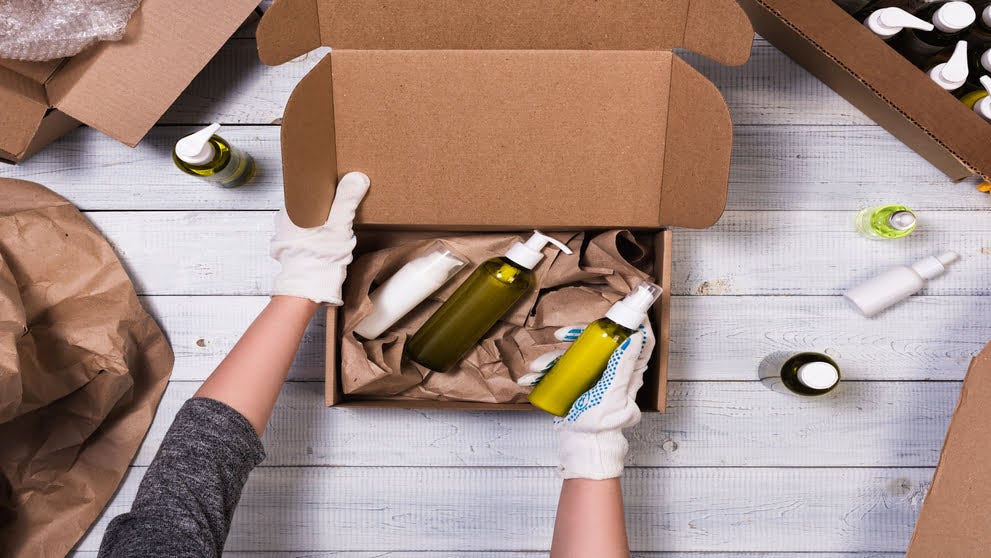
Many e-commerce merchants are surprised to learn that their best-selling perfumes and nail polishes are technically dangerous goods. Most high-end fragrances are alcohol-based, which classifies them as UN 1266, a Class 3 Flammable Liquid. Solvent-based nail varnishes fall under a similar category.
Furthermore, all cosmetics for the Malaysian market or for export must be notified to the National Pharmaceutical Regulatory Agency (NPRA). This is a critical step; without it, goods can be delayed or returned. We provide specific solutions for the beauty industry to ship these items compliantly. To ship these safely, you must follow these steps:
Check the Safety Data Sheet: Ensure your manufacturer provides an up-to-date SDS that clearly lists the flashpoint.
Use Limited Quantity Packaging: Use leak-proof inner containers and strong outer packaging designed for flammable liquids.
Apply Correct Labelling: Affix the Limited Quantity diamond mark and orientation arrows to the exterior of the box.