#LogisticsAdvice

Preparing for Customs Audits: Common Mistakes to Avoid

Key Takeaways

Data-Driven Audits: In 2026, authorities use AI to target shipments. Audits are rarely random and usually start with a data mismatch.

The Error Rate: Recent data shows nearly one-third of import declarations have mistakes. This leads to heavy financial liability.

Voluntary Disclosure: Reporting your own errors through the Royal Malaysian Customs Department's voluntary disclosure facility can waive or reduce massive fines.

Digital Links: New e-Invoicing rules link tax and customs data in real-time. Avoiding customs audit common mistakes is now vital for survival.

Customs audits are no longer a game of chance. In 2026, data analytics and AI mean that authorities like the Royal Malaysian Customs Department (RMCD) only begin an investigation when they have already found a red flag in your filings. The solution is to move from a reactive approach to a structured, audit-ready framework before a regulator requests your records. This guide shows you how to identify your hidden risks early, ensuring a smoother process through gateways like Port Klang.

Why is your HS code choice being flagged?

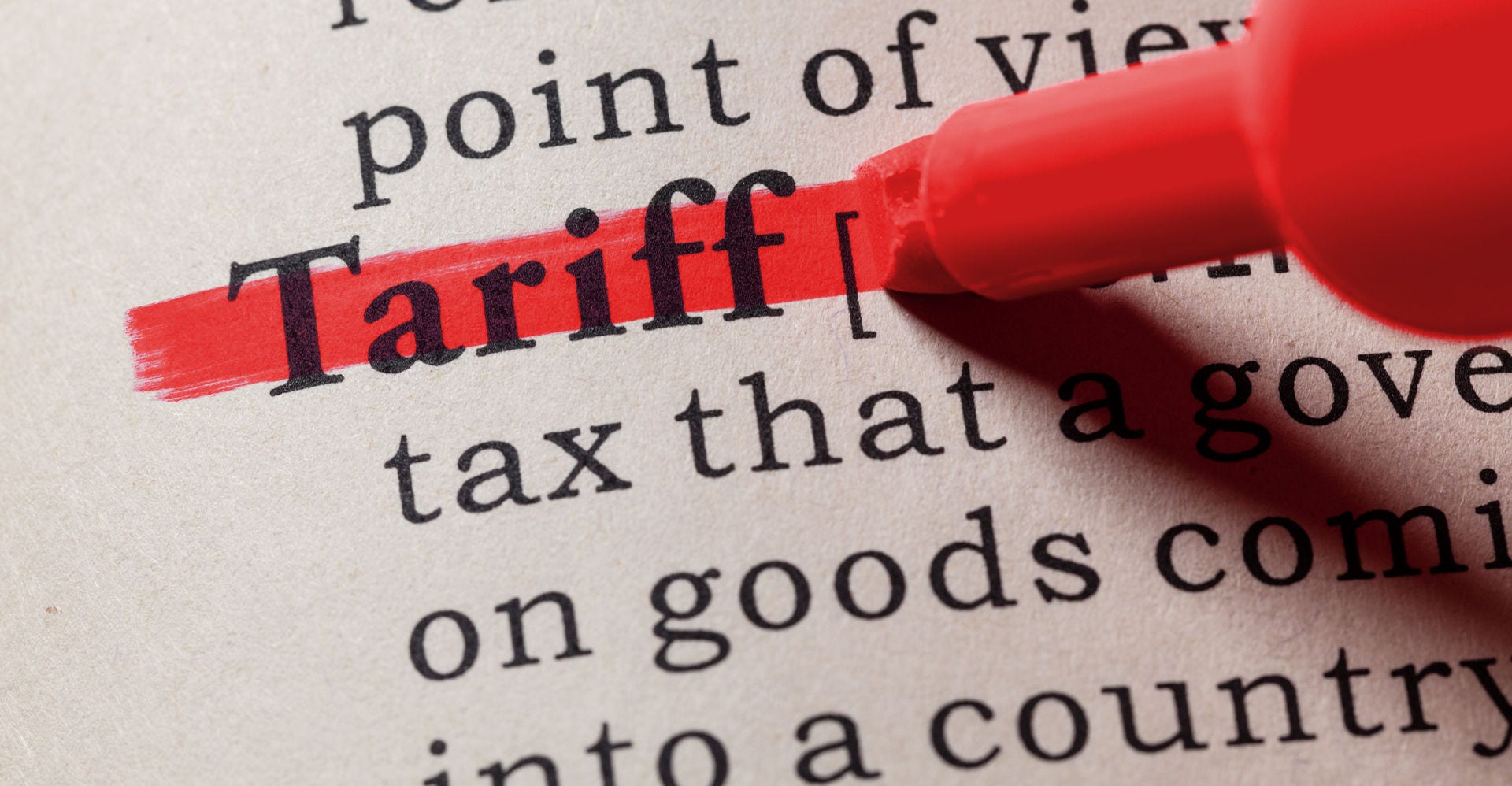
Choosing an HS code based on the lowest duty rate is the fastest way to trigger a post-clearance audit (PCA). Modern systems flag "duty engineering" where products are moved to lower-tax codes without a valid technical reason. Your classification must always be based on the physical makeup and the intended use of the product.

The Harmonised System updates for 2026 have added new categories for green tech and electronics. If you have not reviewed your master data in the past year, you are likely using outdated codes. These are the most frequent HS code classification errors we see:

Parts vs. Finished Goods: Classifying a whole unit as individual bits to try and lower the tariff.

Ignoring Chapter Notes: Missing the legal exclusions at the start of HS chapters that redirect your product's classification.

Using "Other" Categories: Relying on residual codes ending in .90 when a more specific code exists.

Inconsistent Regional Codes: Using different codes for the exact same product in different ASEAN markets.

Recent statistics from the RMCD show that a rising percentage of declarations have errors. This is especially true for complex goods, where correct classification is crucial. For example, ensuring cosmetic products are properly registered with the National Pharmaceutical Regulatory Agency (NPRA) before export is a key compliance step that, if missed, can lead to costly delays and returns. We use Trade Automation tools to help you find the right codes based on the latest 2026 rules.


Why is customs valuation accuracy a top priority for auditors?

Authorities look for under-valuation to find lost tax revenue. Many businesses believe the price paid on the invoice is the final value for customs. However, Malaysian law requires you to include "assists" (like moulds or tools provided to the manufacturer), royalties, and specific packing costs. This is why customs valuation accuracy is under such heavy scrutiny right now.

Auditors target transactions where prices might not reflect the true market value. If you buy from a parent company, your pricing must meet specific transfer pricing standards. Here’s why your value might be questioned:

Unreported Royalties: Forgetting to declare fees paid for the right to use a brand name or technology.

Omitted Assists: Not including the value of tools or moulds provided for free to the maker.

Transfer Pricing Gaps: Differences between the value told to customs and the value told to the Inland Revenue Board of Malaysia (LHDN).

Indirect Payments: Money paid to third parties that doesn't show on the commercial invoice.

The RMCD has a strong focus on related-party transactions to ensure the declared value is at arm's length. We provide expert brokerage services through our Licensed Customs Agents to ensure all cost elements are captured correctly when you enter the Malaysian market.

How does e-Invoicing impact your audit readiness?

The gap between your tax e-invoice and your customs declaration is an immediate red flag. In 2026, Malaysia is linking its tax and customs databases through new e-Invoicing mandates. If the numbers don't match, the system triggers an automatic alert for an inspector.

Digital changes mean manual data entry is now a high-risk activity. The speed of these systems means you don't have weeks to fix a mistake. You must watch these specific 2026 deadlines:

Regional Implementation: Malaysia's eInvoicing rollout is now well advanced. Phases 1–3 (turnover >RM5M) are live. Phase 4 (RM1M–RM5M) began 1 January 2026 with relaxation through 31 December 2026. The originally planned Phase 5 for businesses ≤RM1M was cancelled in December 2025; these taxpayers are now permanently exempt from the MyInvois mandate.

Real-time Validation: Authorities will validate invoices the moment they're issued via the MyInvois portal. Errors are recorded instantly.

Automated Checks: Customs AI tools will compare import values against your corporate tax filings with the LHDN.

Our systems are designed to sync with local digital tax portals. This cuts the risk of human error and keeps your data consistent across all departments, which is a significant advantage in a multi-ethnic business environment where clarity is key.


What are the local red flags you need to watch for?

Every market has a different focus for its enforcement teams. A minor issue in one country might be a major violation in another. You need to understand local crackdown priorities before they impact your supply chain, especially during peak seasons like Hari Raya Aidilfitri or Chinese New Year when port congestion can already cause delays.

Logistics managers should watch these areas in 2026:

Anti-Dumping Duties: The RMCD actively investigates the circumvention of anti-dumping duties, particularly on items like steel products from specific countries.

Sales & Service Tax (SST) Exemptions: Incorrectly applying for or documenting SST exemptions on imported raw materials or machinery is a common trigger for audits.

Controlled Goods Permits: Failing to secure the necessary permits from agencies like SIRIM for electronics or NPRA for cosmetics before shipment arrival will lead to seizures.

Our local presence means we see these trends early. We help you adjust your filings to meet the specific demands of the RMCD. This keeps your shipments moving while your competitors face delays in the audit queue.

Can a voluntary disclosure protect you from penalties?

Fines and penalties vary by country and circumstance. Misdeclaring or non-compliant shipments can result in significant administrative penalties, often running to the equivalent of tens of thousands of Malaysian Ringgit or more, as well as suspension of shipping accounts and potential legal liability. Always verify current penalty levels with the relevant regulatory authority.

Authorities prefer to work with "Trusted Traders" who demonstrate a commitment to self-correction. The RMCD's voluntary disclosure programme is a smart move for any business. Here’s why:

Lower Penalties: Penalties can be significantly reduced, or in some cases waived entirely, if you report an error before the RMCD discovers it.

Interest Reduction: Some programmes offer a lower interest rate on the underpaid duty if you report the error yourself.

Brand Safety: Avoiding an audit failure keeps your company off high-risk government watchlists and protects your business relationships.

Fixing the Root Cause: The disclosure process helps you find and fix the systemic error, preventing future occurrences.


How long must you retain your customs records?

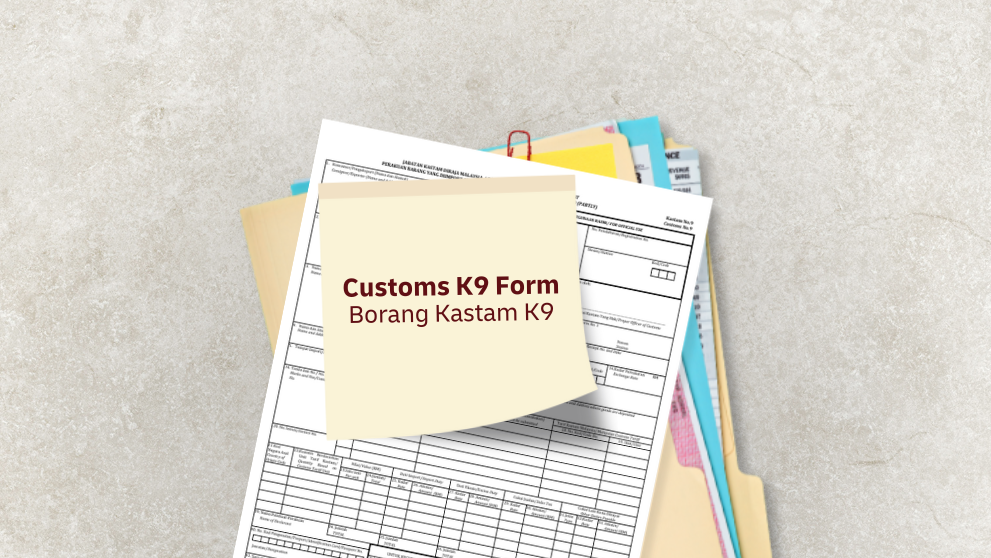
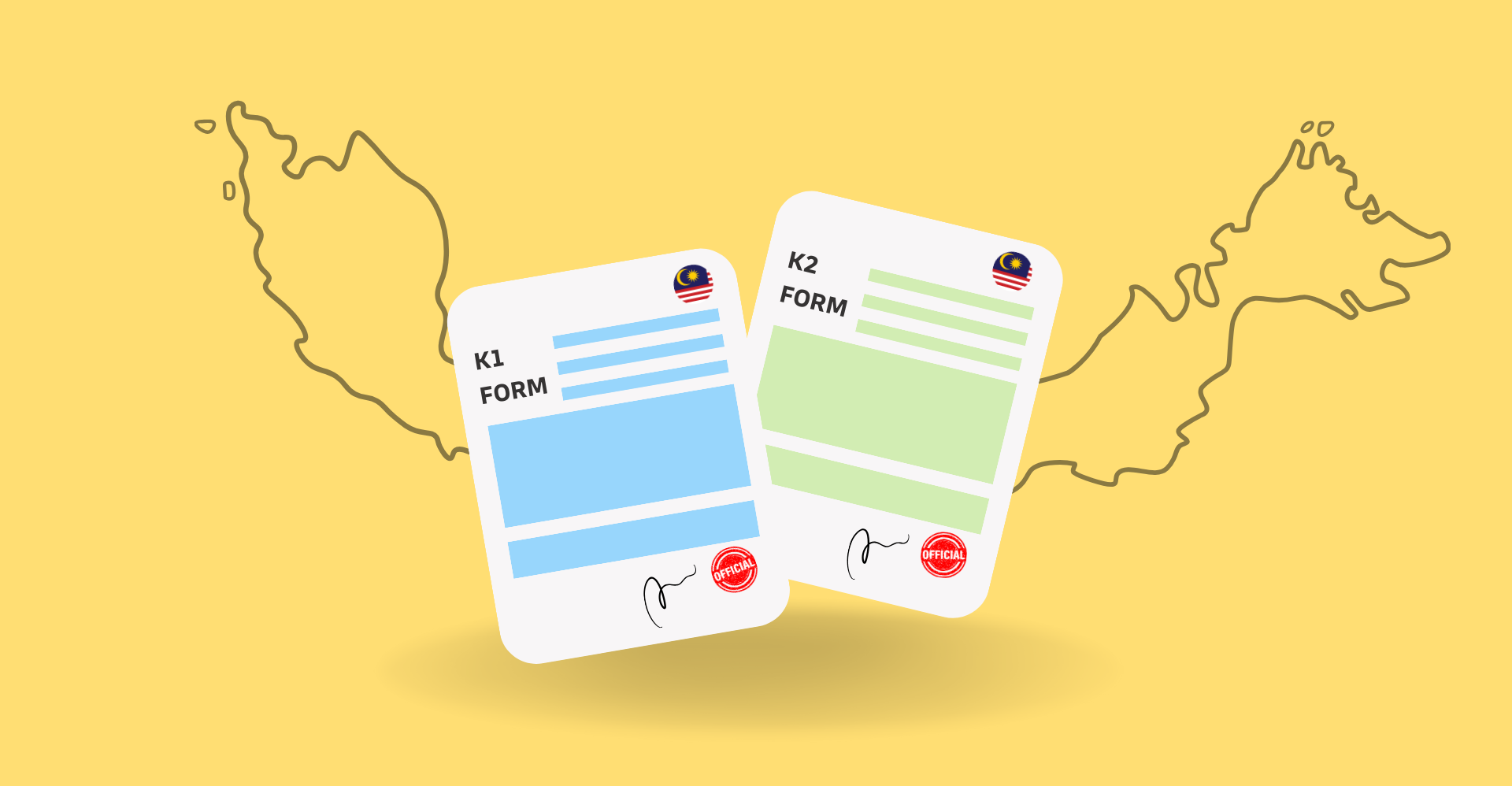
An audit can happen years after a shipment is delivered. If you cannot produce the packing list, invoice, or customs declaration (K1/K2 forms), you will likely lose the audit by default. Digital record-keeping is the only practical way to manage this risk.

In 2026, a simple PDF is not enough. You need the data that links the shipment to your payment record. You must follow these rules:

Retention Period: You must keep all customs-related records for 7 years from the date of import or export.

Fast Access: You must be able to provide these records to the RMCD promptly upon request.

Total Scope: You must keep all correspondence with your Licensed Customs Agent and the seller related to the shipment.


Is your business audit-ready for 2027?

Compliance is not just about filing forms. It's about protecting your brand from a large "catch-up" bill that could arrive years after your shipment has cleared customs. In our world, an audit failure is not just a fine; it's a blow to your reputation as a reliable trading partner.

We have invested in digital tools that help you sync your tax and customs data from day one. We are here to provide the expert brokerage and automated screening that modern trade demands. It's the best way to ensure you maintain your standing as a trusted business partner in Malaysia.

Your trade strategy should be as data-driven as the systems that monitor it. Contact us to discuss common customs audit mistakes and how our partnership can help you avoid them. It's the smartest move you can make to secure your supply chain for the long term.


Frequently Asked Questions

Most mistakes involve using the wrong HS codes to save on duty or failing to include additional costs like royalties and assists in the customs valuation. With Malaysia's new e-Invoicing rules, digital data mismatches between tax and customs forms are also a rising cause for audits in 2026.

RMCD systems use AI to flag businesses that suddenly switch from high-duty codes to lower ones without a clear technical reason. If you cannot justify the change, it may be viewed as "duty engineering," triggering an inspection.

A PCA is an audit that happens after your goods have already entered Malaysia. The RMCD reviews your historical records for the past several years to ensure you paid the correct amount of duties and taxes.

It is a formal process where you inform the RMCD about an error you have discovered in your declarations before they find it themselves. The authorities will typically reduce or waive penalties if you can show you are being proactive about compliance.

Yes, in 2026, the Malaysian government is linking customs and tax databases. They will compare the value you declared at the border with the value you report to the LHDN on your corporate tax returns to find discrepancies.

Enjoy up to 64% off on international shipping
Only with DHL Express Business

Register Now
Article hero banner default image