#LogisticsAdvice

Going Global in 2026: Your SME Roadmap to the First International Sale

Key Takeaways

Global Sales Potential: Learning how to start international shipping for small businesses opens a projected $8 trillion e-commerce market in 2026.

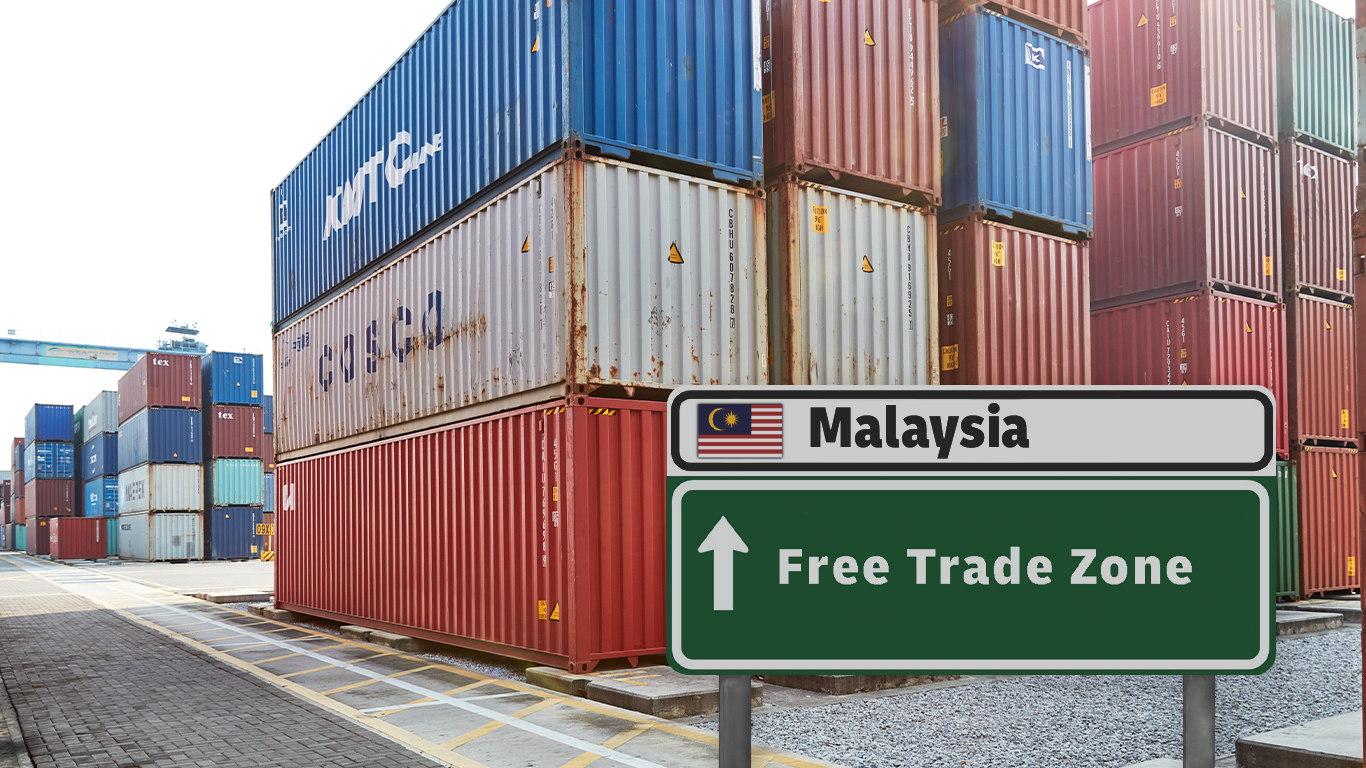
Streamlined Registration: Register your business with the Companies Commission of Malaysia (SSM) and secure any necessary export permits to unlock borders.

Price Clarity: Use the My Global Trade Services tool to calculate total landed costs and protect your margins.

Customer Loyalty: Use On Demand Delivery (ODD) to reduce cart abandonment by up to 23% by offering flexible delivery windows.

Small businesses are changing global trade. In 2026, micro-multinationals ship handmade goods and tech components from home offices to global hubs every day. With the global e-commerce market expected to exceed $8 trillion this year, your next best customer likely lives in a different time zone. Finding the right logistics partner turns borders into gateways, allowing you to focus on your products and building strong business relationships.

What paperwork do I need to start exporting in 2026?

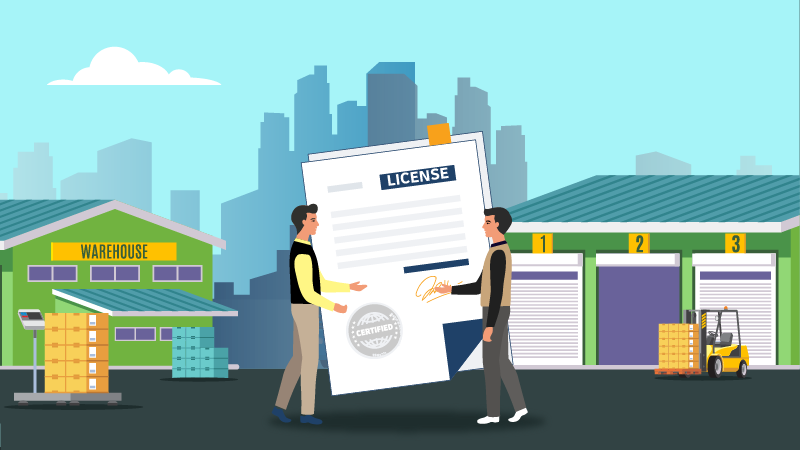
To begin exporting, your business must be formally registered and compliant with Malaysian regulations. Unlike some countries, Malaysia does not have a single "Export Licence" for all goods. Instead, your first step is to register your company with the Companies Commission of Malaysia (SSM). For certain controlled goods, you will then need to apply for specific permits from the relevant authorities through platforms like MyTRADELINK.

Your legal baseline checklist:

Business ID: Secure your company registration number from the Companies Commission of Malaysia (SSM).

Tax Profile: Ensure your business is registered for tax with the Inland Revenue Board of Malaysia (LHDN).

Export Permits: Check with the Royal Malaysian Customs Department (RMCD) or the Ministry of Investment, Trade and Industry (MITI) to determine if your specific products require an export permit.

Digital Signature: Obtain a Digital Signature Certificate from a licensed Certification Authority. This may be required when filing electronic customs or tax declarations through systems such as DagangNet or MyInvois. 


Why choose an express partner for your international growth?

Speed and visibility are now standard requirements. A cheap shipment that takes three weeks leads to complaints and lost future sales. A reliable express partner can manage complex border clearances, often while your package is still in the air. This partnership is vital, especially when navigating regulations for products like traditional medicines, where ingredient classifications can change unexpectedly in destination markets, requiring diligent compliance checks to avoid seizures.

Feature

DHL Express

Standard Shipping Services

Speed

1 to 3 business days

10 to 21 business days

Tracking

Real-time, milestone-based

Limited or "last scan" only

Customs

In-house brokerage included

Third-party (can cause delays)

Reliability

99-percent on-time delivery

Highly variable

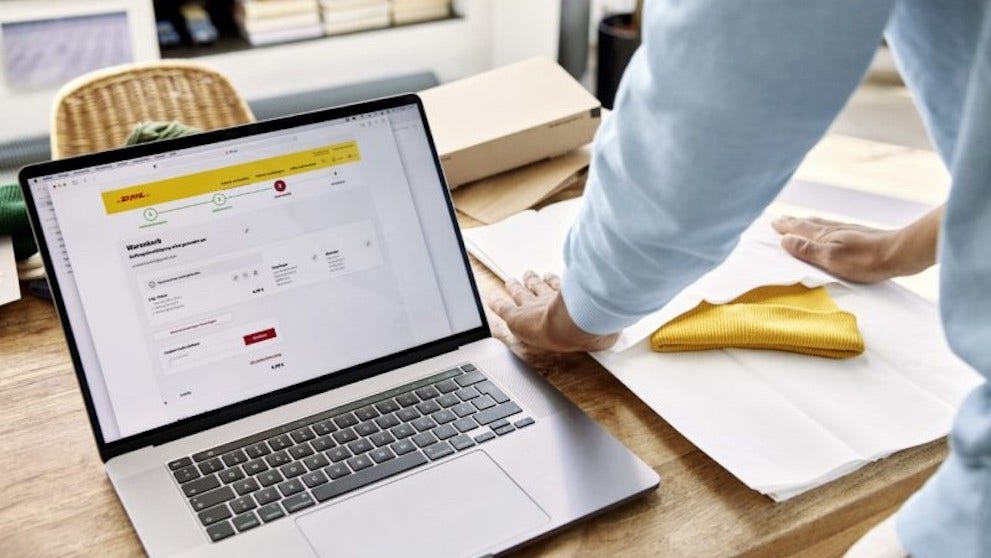
By using MyDHL+, you get a workstation that remembers your preferences. The system guides you through the process and ensures you have the right labels for every destination, from Port Klang to any corner of the globe.

How do I write a Commercial Invoice that customs will accept?

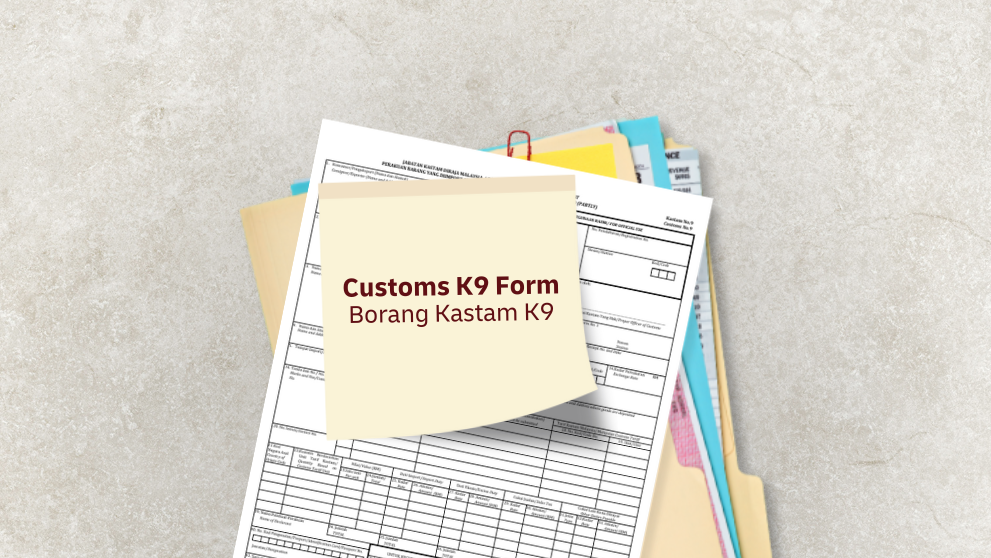
This is the primary document customs agents use to determine duties and taxes. Vague descriptions are a common reason for shipments being held for inspection. Use the My Global Trade Services tool to find the correct Harmonised System (HS) Code for your product.

Detailed Descriptions: Write "Men's 100% Cotton Knitted T-shirts" instead of "Clothing".

Accurate Values: List the actual transaction value even for samples. Mis-declaring value can lead to significant penalties.

HS Codes: Use the MyGTS tool to find specific codes and avoid overpaying duties.

Currency: State clearly if the value is in USD or MYR (Malaysian Ringgit). For tax purposes, all foreign currency amounts must also be shown in MYR on the invoice.


What are Landed Costs and why do they matter?

The shipping price is only one part of the total cost. You must account for duties and taxes charged by the destination country. This combined total is the landed cost, and it's the number your customer cares about.

Many customers expect to see these costs at checkout. You can ship Delivered Duty Paid (DDP) to pay the taxes for your customer. This prevents surprise bills at the door and helps build a trustworthy reputation for your brand.

The cost breakdown:

Shipping Fee: The cost of transport from your door to theirs.

Duties: A tax on imported goods that varies by product type.

Taxes: Local consumption taxes like SST applied at the border.

Insurance: A small premium to protect against loss or damage.

How can I build global loyalty through the Unboxing experience?

Your first international shipment is a marketing tool. Speed and control define your brand's reputation in a new country. Understanding how to start international shipping for small businesses means thinking carefully about this final-mile experience.

On Demand Delivery (ODD) lets customers in over 150 countries choose how they receive their package. They get a mobile notification to reschedule or redirect.

Why global customers love ODD:

Choice: Pick a day when someone is home.

Security: Authorise a Signature Release for a safe spot.

Convenience: Collect from a local shop while running errands.

Sustainability: Cutting second-attempt deliveries lowers the carbon footprint.


Ready to ship? Your 2026 First Box Checklist

Run through this list to ensure a smooth journey. A solid checklist prevents common rookie errors.

Check the Weight: Ensure your Actual Weight matches your Volumetric Weight.

Verify the Address: Double-check the postal code for international formats.

Pack for the Journey: Use a double-walled box and plenty of cushioning.

Secure Documents: Attach three copies of the Commercial Invoice in a clear pouch.

Don't wait for a peak season like Hari Raya Aidilfitri or Chinese New Year to fix your supply chain. Start small and scale as your confidence grows. Global trade is a marathon, and we are here to support you at every step.

Audit Your Global Growth Strategy Today

The world is waiting for your product. If you rely on basic shipping services, you leave your brand reputation to chance. A professional logistics approach is the only way to scale effectively in 2026.

Review your current shipping times and customer feedback. If you see high cart abandonment or delivery complaints, it's time to change your partner. We'll help you build a reliable path to your first international sale.


Frequently Asked Questions

Start by registering your business with the Companies Commission of Malaysia (SSM) and choosing an express partner to manage border clearances. You must find the correct codes for your products to ensure duties and taxes are calculated accurately for every shipment.
In Malaysia, you first need to register your company with the SSM. An "Export Licence" is not a single document but a series of permits required for specific, controlled goods. You must check with authorities like the Royal Malaysian Customs Department (RMCD) or MITI to see if your products require such a permit.

Use the My Global Trade Services tool for a precise estimate of shipping fees, duties, and taxes. This ensures your products are priced accurately for international markets.

We highly recommend it for your first few sales. It provides peace of mind and protects your investment while you learn the ropes of global trade.

Choose our GoGreen Plus service to use Sustainable Aviation Fuel (SAF). It reduces your carbon footprint and appeals to eco-conscious global customers.

Enjoy up to 64% off on international shipping
Only with DHL Express Business
Register Now
Article hero banner default image