(Updated as of 2nd February 2026)
The holiday season is a joyous period, with gift-giving and the warmth of the company of friends and family. But what can take the joy out of the festivities is scrambling to find an international courier to have your gifts delivered in time. Navigating holidays, whether Chinese New Year, Ramadan, Christmas, or New Year’s Day, can be cumbersome and hard to plan without the cooperation of your logistics and delivery partner. You might find that some shipping services do not ship during public holidays or that some aren’t able to handle the volume of shipments, resulting in delays.
Engaging a credible courier can help you eliminate the stress of the process. Whether you’re an e-commerce business shipping gifts or simply someone wishing to send a Christmas present to a loved one based overseas, DHL Express offers logistics and delivery services during the holiday period to ensure your gifts arrive on time. Review the calendar year and plan ahead to give yourself adequate time to prepare your shipment.
DHL Express days of operation for 2026:
DHL Express is closed on public holidays.
| Months | Public Holidays |
|---|---|
January | New Year’s Day – January 1 |
February | Chinese New Year – February 18 & 19 |
March | Hari Raya Puasa – March 21* |
April | Good Friday – April 3 |
May | Labour Day - May 1 Hari Raya Haji – May 27* Vesak Day – May 31 |
June | DHL Express is fully operational |
July | DHL Express is fully operational |
August | National Day – August 9 |
September | DHL Express is fully operational |
October | DHL Express is fully operational |
November | Deepavali – November 8 |
December | Christmas – December 25 |
*Subject to confirmation
Hours of operations:
Monday to Friday: 08:00 am - 09:00 pm
Saturday: 08:00 am - 2:00 pm
Sunday: Closed
Live chat: Available 24/7
Ready to start shipping in the holiday season?
Register for an account with DHL Express!
Open an AccountDoes DHL Express deliver on public holidays?
Yes, DHL Express’ Same Day delivery service (SDS) allows you to ship 365 days, 24/7. We also offer proactive tracking and a notification system to update you on the progress of your deliveries, even on public holidays. However, without DHL Express’ time-critical Same Day delivery, pickup and delivery during public holidays are not possible.
Take note that the delivery date is based on the quoted delivery by the SDS team.
Does DHL deliver on Chinese New Year?
There is no special pick-up cut-off for the eve of Chinese New Year, and standard shipment collection and delivery timings are followed.
For the actual Chinese New Year Holiday, there will be no delivery nor shipment collection. For special assistance during this holiday period, reach out to our customer service.
What do I need to be aware of when shipping during Ramadan?
During the ramadan season, it is expected to see a spike in purchases for the upcoming Hari Raya holiday. This increase in purchases translates into increased cargo volumes; and when coupled with shorter working schedules for many businesses, customs authorities and government offices, could bring about bottlenecks and processing delays.
Do ensure to plan ahead and factor in enough time for your shipments to be delivered on time.
What is the shipping deadline for Christmas?
To meet your shipping deadlines and ensure your gifts arrive on time during the holiday season, we recommend scheduling your deliveries DHL Express to arrive a day before a public holiday. To ship during Christmas this year, the cut-off shipping delivery date would be 24th December (Christmas Eve). Ensure that you ship ahead of time to avoid delays.
To schedule parcel delivery on a public holiday, engage our Same Day delivery service. By planning around public holidays and adhering to our shipping deadlines, you can be guaranteed speedy and efficient delivery of your parcels and presents.
Packaging guide for frequently shipped items during holiday season
| Most Shipped Goods | Packing Guide |
|---|---|
Electronics | When shipping electronics like PCs, laptops, and monitors, proper packaging is essential for protection. Use separate boxes for different components such as chargers, adaptors, and cables in one box, and the laptop and mouse in another, to ensure easy identification and secure transport. Line the interior of each box with extra packing foam, air pillows, or bubble wrap for cushioning. Protect the edges with additional tape or bumpers and choose sturdy materials like thick cardboard for the main packaging box. This careful approach will help ensure your electronics reach overseas buyers safely. |
Skincare & Cosmetics | For packing skincare and cosmetics, ensure the box is durable and use materials like bubble wrap or crumpled paper to layer items separately. Protect against moisture with pressure-sensitive tape and pack perfumes upright in leak-proof boxes. Fill any voids with cushioning to prevent movement and seal all edges. Clearly label the package with handling instructions and identify any dangerous goods, as many cosmetics are classified as flammable liquids and may have specific shipping regulations. |
Gift Items and Baskets | When packing gift items and baskets, secure the hamper with bubble wrap and select a well-fitted box with cushioned corners. Check for prohibited items based on destination regulations, label the package appropriately, and add fragile stickers if needed. |
Shoes | When packing shoes for shipping, choose packaging based on the item's weight and value. For low-value shoes under 3kg, place the shoe box inside a larger DHL Flyer Bag, seal it, tape any excess, and attach a visible shipping label. For high-value items or multiple pairs over 3kg, place the shoe boxes into a firm larger outer box, filling any voids, and sealing the flaps using the H-taping method. Ensure a transport label is clearly visible on top of the package. |
Clothes | Non-Fragile Clothing: Use a single-wall cardboard box or sealed plastic flyer bag. Wrap each item individually in small bubble wrap or kraft paper and avoid rolling to prevent wrinkles. Choose a snug container with no empty spaces, and if using a flyer bag, tape down any excess. Clearly attach a transport label. Fragile Clothing: Use a dual-wall box, filling all empty spaces to keep items stable. Wrap each piece in small bubble wrap before placing it in the box, keeping a 6cm gap from the walls. Seal the box flaps using the H-taping method and attach both transport and fragile labels for clear visibility. |
Luxury Watches and Jewellery | When packing luxury watches and jewellery, wrap each item securely in protective materials like bubble wrap or packing peanuts to cushion against damage during transit. Place the wrapped items in separate containers for added protection. Additionally, obtain adequate insurance coverage to mitigate financial loss and liability in case of any issues during shipping. |
Books | To pack books securely, distribute the weight evenly in the box to minimize the risk of dropping. Use a single layer of clean, dry, flat packing material, like thin bubble wrap, on the bottom and/or top for basic protection. Fill any empty spaces with additional packing material to immobilize the books from the sides, ensuring they're snug but not overly tight to allow for easy removal. |
Refer to our Packaging Guide for a detailed explanation of packing techniques and types. Understanding the guidelines and import regulations of the destination country is crucial. Check our country guides to make sure you have all the necessary information to ship.
What should you take note of when shipping during the holidays?
We understand how stressful the holidays can be, as well as how much pressure there is on you to ensure the best possible gifts for your friends and family. As such, we’ve compiled a list of things to take note of when ordering gifts for friends or selling gifting products during the holiday season:
-

1. Prohibited and restricted commodities
-

2. Dangerous goods
-

3. Customs laws and regulations of different countries
Buying a bottle of wine or whiskey for your parents who are based overseas? Or expanding your boutique perfumery overseas to capitalise on larger markets? It’s important to note that different countries have different sets of international laws and restrict and prohibit certain products from entering the country. Research the various prohibited and restricted commodities of your shipping destination to ensure a smooth and seamless customs procedure for your items.
Thinking of shipping the latest iPhone to your cousin in Australia? That would be considered a dangerous good (DG) as it contains lithium batteries. Dangerous goods pose risks when shipping and can be toxic, corrosive, or flammable. Ensure you check the list of dangerous goods of your export destination. When shipping dangerous goods internationally, review the list of rules and regulations, use proper packaging, and complete all the necessary shipping paperwork.
Many countries require certain documentation, such as import permits, air waybills, and packing lists, to be able to process products and successfully allow them to enter the country. There is the risk of heavy fines or delay of goods at customs if you fail to comply with any of the rules set forth by your government. To avoid problems, you should check ahead of time to see if you need special documentation and ask your local customs office for advice.
Or engage a trusted international courier to take care of everything for you. Read our international guides for more information on how to ship to your export destination.
Locating your shipment with MyDHL+
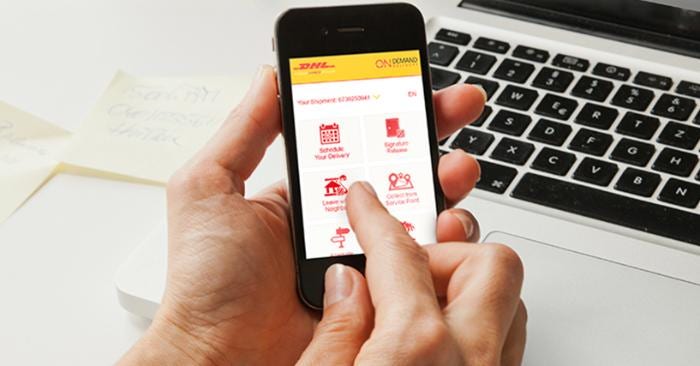
Manage your shipments with DHL Express’ intuitive platform, MyDHL+. When preparing your shipment and before making a booking, you can check the estimated date of delivery (EDD) to find out the exact date and time that your shipment will arrive.
Once you’ve shipped out your parcel, track your shipment with our shipping platform’s track and trace feature and receive live updates of your parcel’s location, so you are aware of where it is at any given time. Enter your unique 10-digit air waybill number on your MyDHL+ page. Our platform will also show you an estimated delivery date for your parcel’s arrival.
Ship with DHL Express for a successful holiday season
With the festive season drawing closer, e-commerce companies can boost sales by adopting the right strategies. Seizing the opportunity the holiday season presents and preparing ahead of time can mean higher profit margins.
Whether you’re shipping personal gifts or you run an online business selling products, selecting the right shipping company is key. A reputable shipping company will keep track of all of your shipments, handle customs clearance, and arrange pickup and delivery of goods.
Choose DHL Express as your third-party logistics provider to help you keep up with the volume of retail during the holiday season. For more information, read our FAQs about shipping or open a business account with us to start shipping now.


 Share
Share
Similar Stories