In today's fast-paced digital economy, convenience and peace of mind drive purchasing decisions. Food, retail, and delivery industries have adapted to meet shifting consumer expectations, relying on e-commerce to keep their operations running. Leaving deliveries at the door, Buy Online Pickup In-Store (BOPIS), and Smart Lockers have surged in popularity—and the demand shows no signs of slowing. That's why DHL Express has given all our customers the option for contactless delivery.
How DHL Express redefined the delivery standard with Signature Release
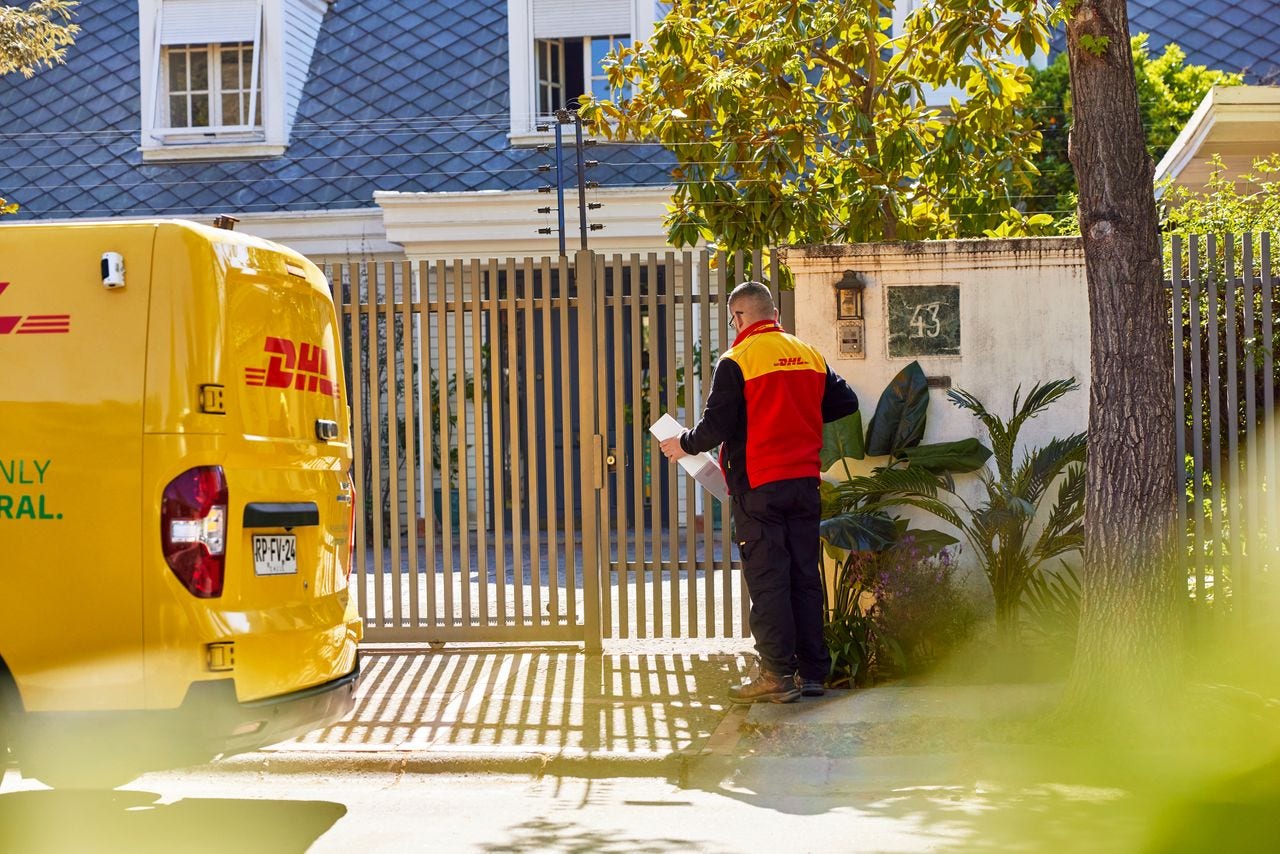
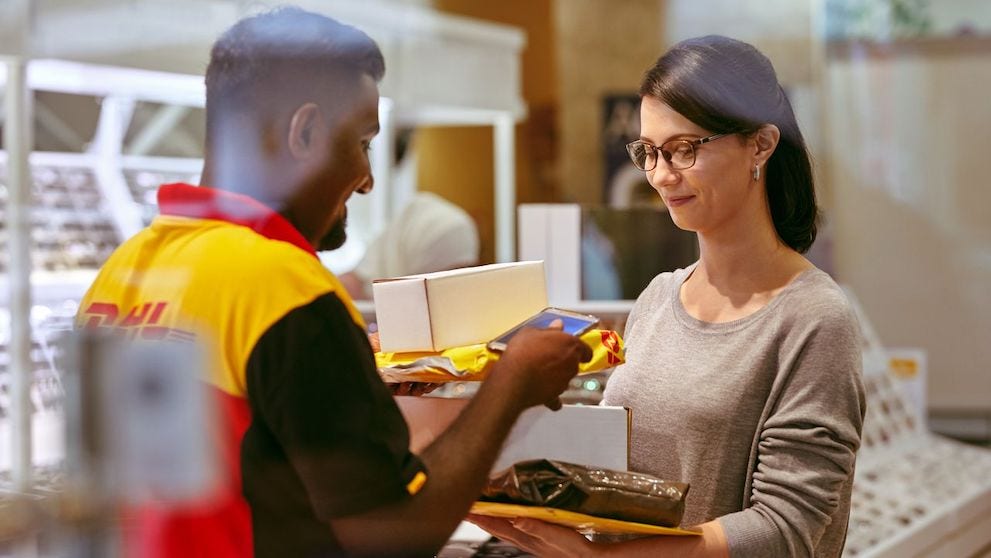
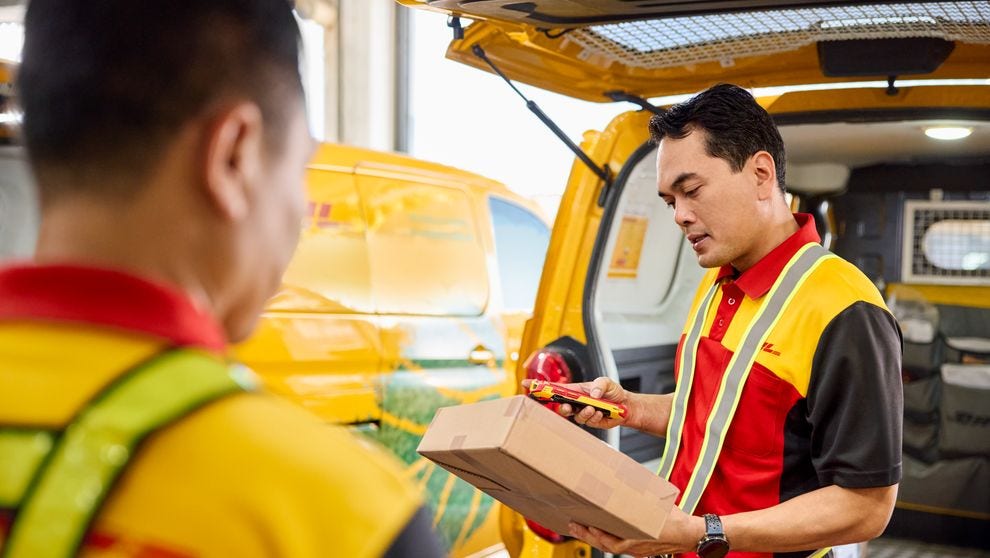
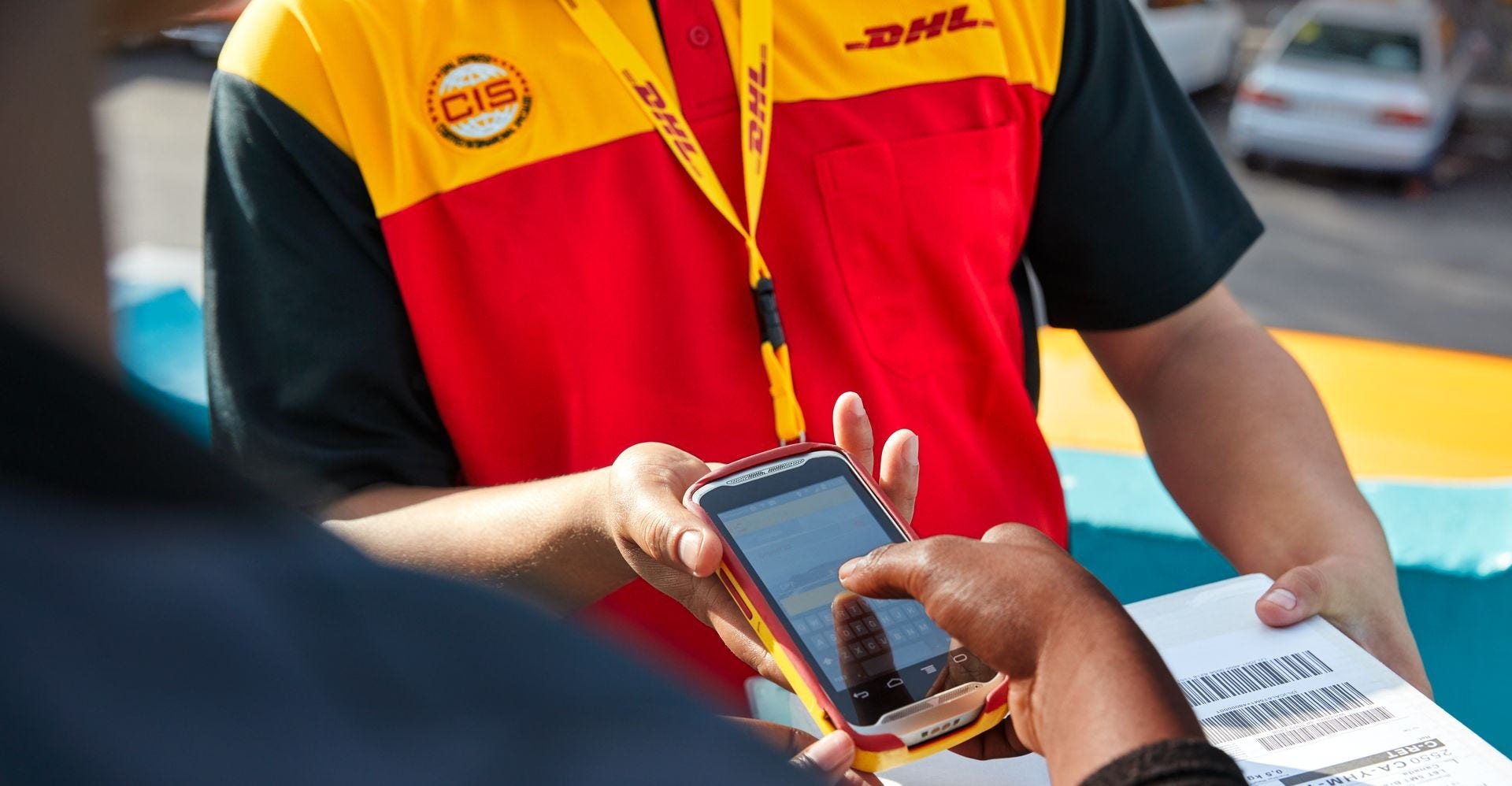
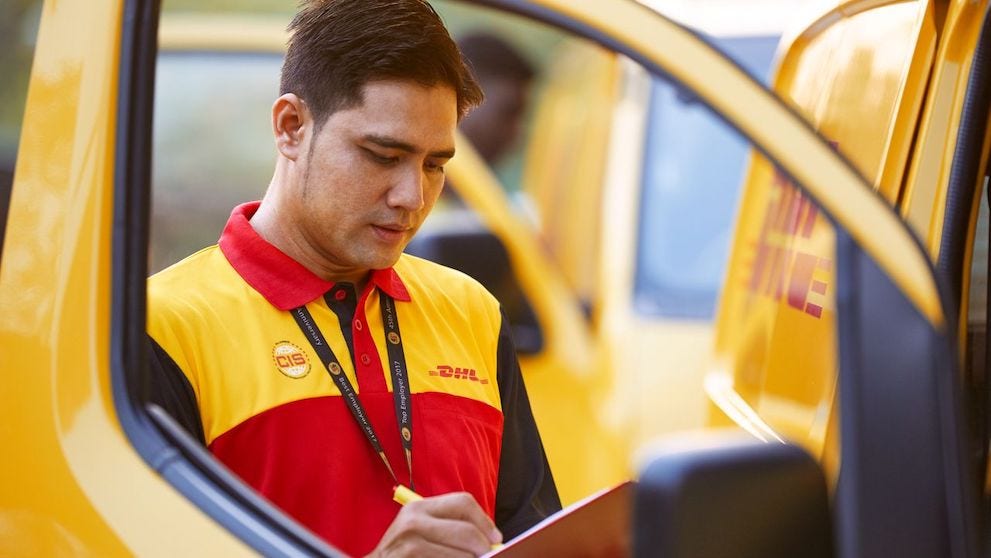
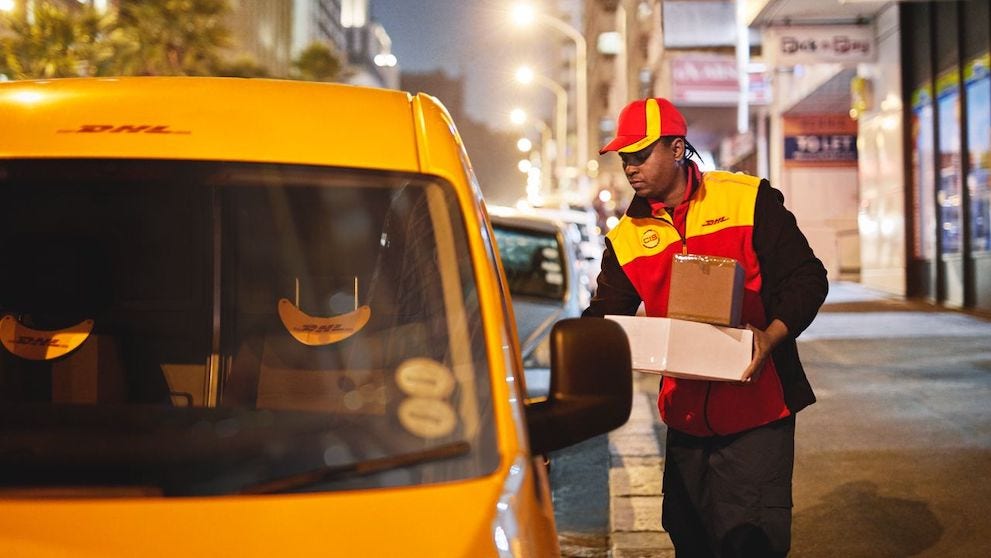
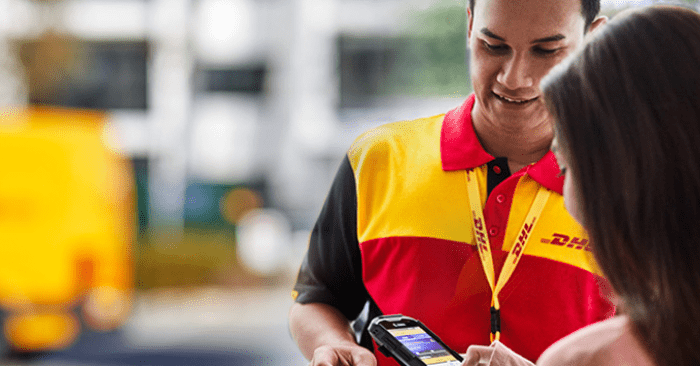
When contactless delivery became a priority, DHL Express responded by expanding its existing tools. On-Demand Delivery (ODD) already featured a "Signature Release" option, which allowed recipients to opt for the receipt of their shipment without the need for a signature, letting our courier leave the parcel at an agreed-upon area. This option surged in popularity — and for a time, became the standard for our couriers to practice contactless delivery, so the consignee need not sign on the courier's scanner or even have any interaction with our staff.
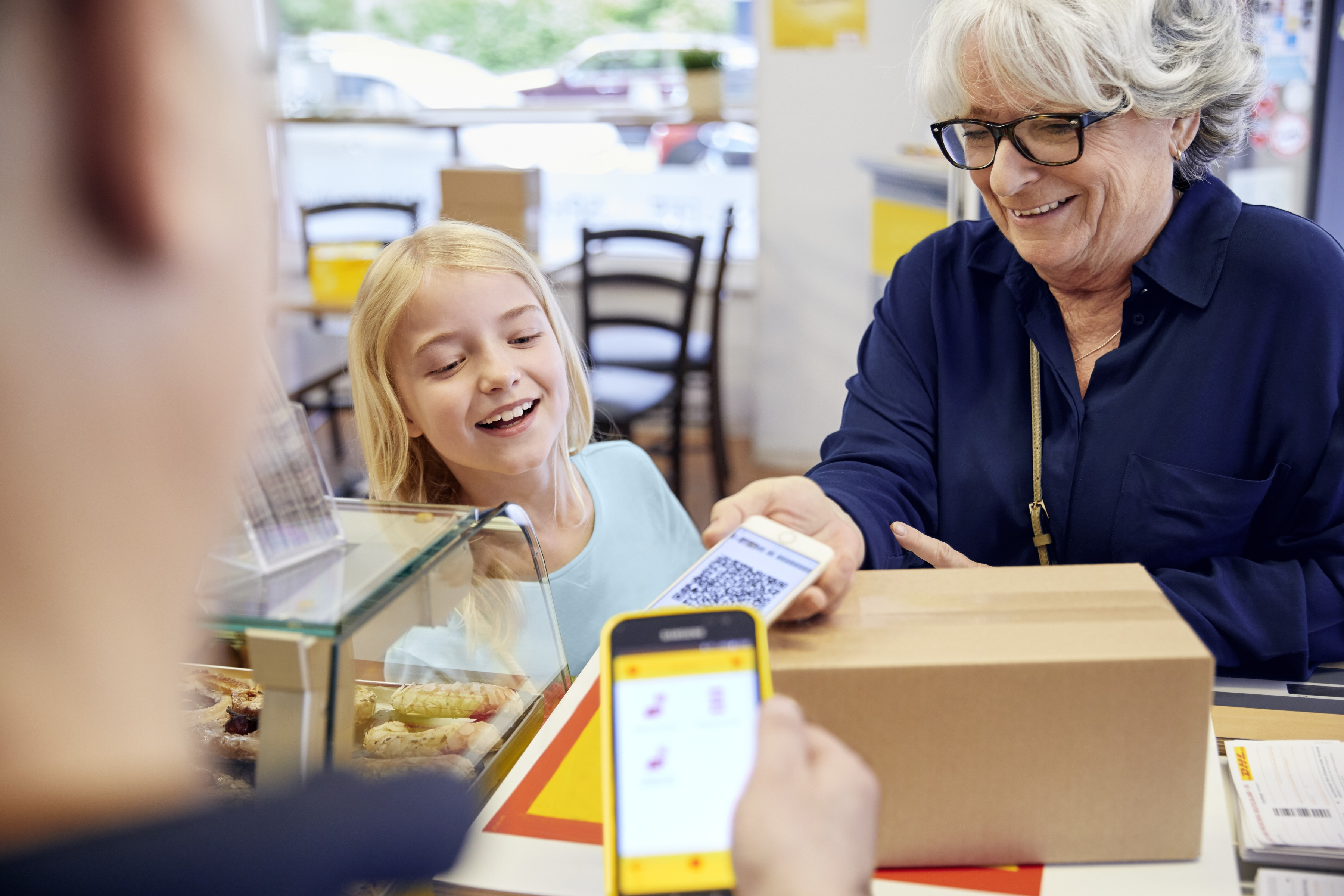
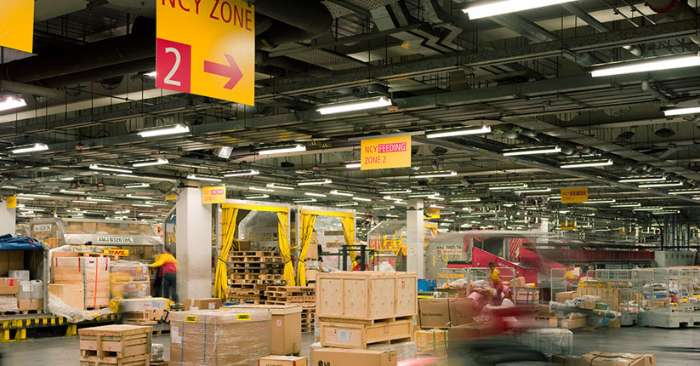
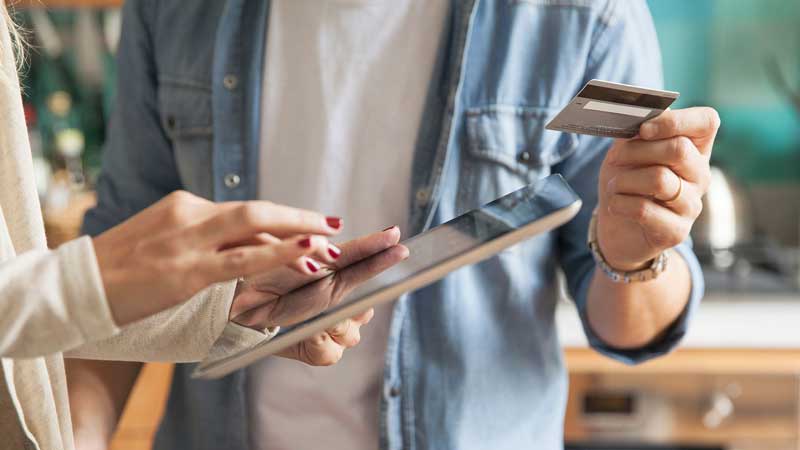
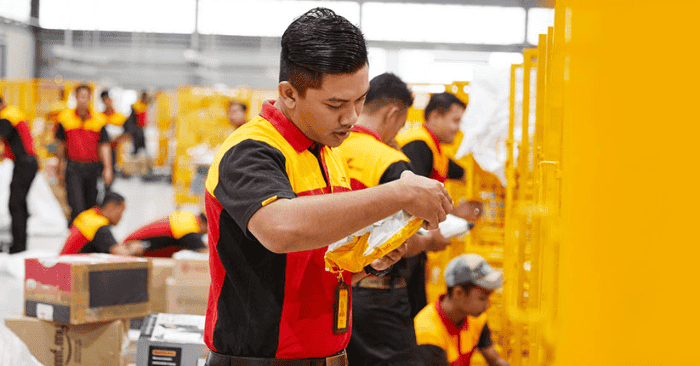
DHL Express service points were also equipped with contactless technology for payment, identification, and clearing of parcels and packages with minimal interaction required. From its infrastructure to its processes, innovation touched every aspect of DHL's operation, with big data and IoT enabling us to sort and process shipments from all over the world efficiently.
Why contactless delivery continues to be the global preference in 2026
Consumer behavior shifted—and it stayed shifted. What began as a practical response to social distancing has since evolved into an expected standard. Shoppers today prioritize speed, autonomy, and minimal friction at every touchpoint of their purchasing journey.
The widespread adoption of digital wallets and mobile payment platforms has further accelerated this preference; as cash-on-delivery fades, so does the need for any physical handoff. Contactless delivery isn't a workaround anymore — it's simply what modern consumers expect from any credible delivery service.
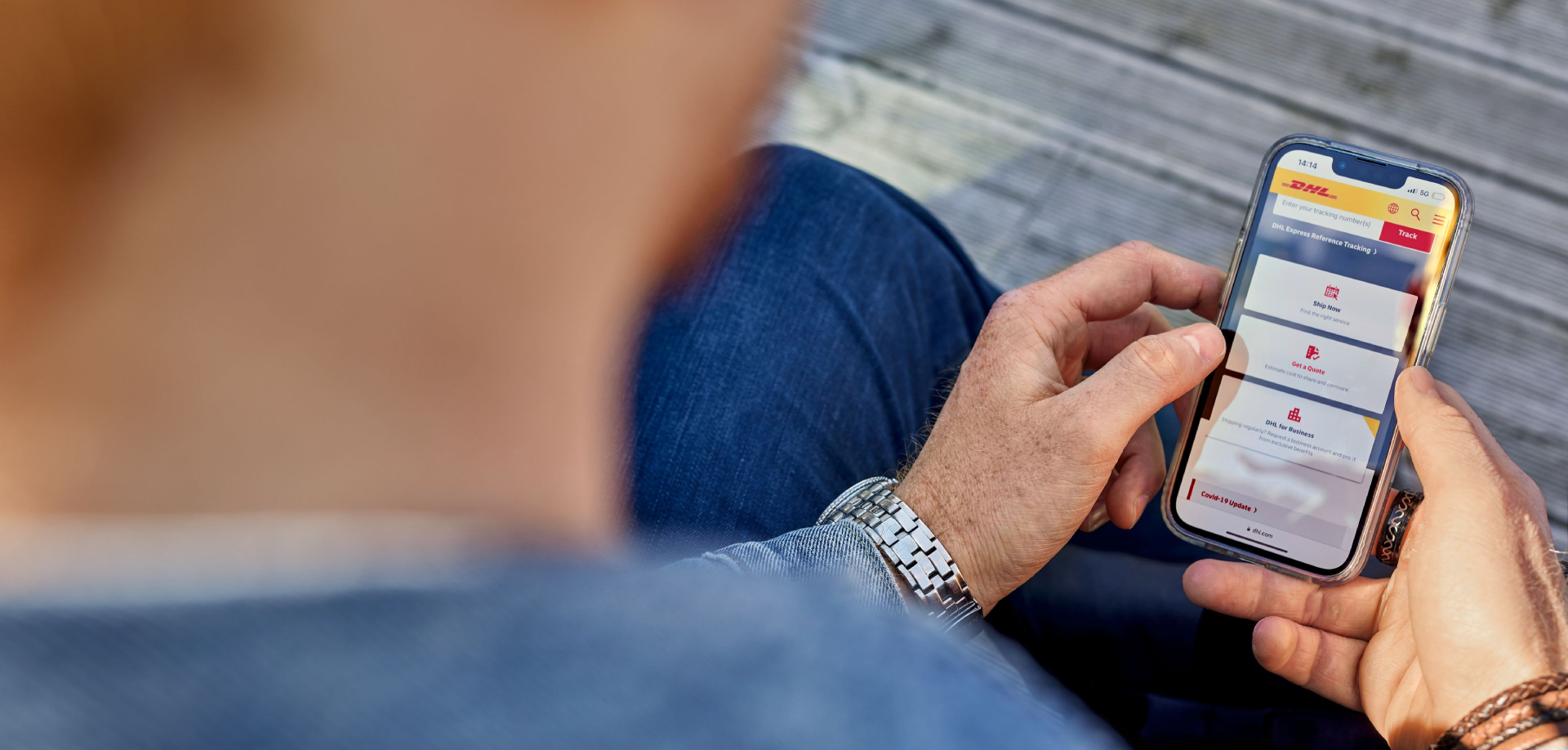
Ready to simplify your international shipping? Open a DHL Express business account and give your customers the seamless, contactless delivery experience they expect.
Open an AccountContactless options with DHL On-Demand Delivery (ODD)
The challenges outlined above are real, but they are also manageable. DHL's On-Demand Delivery service gives both senders and recipients practical tools to work around the most common contactless delivery pitfalls, putting control back where it belongs.
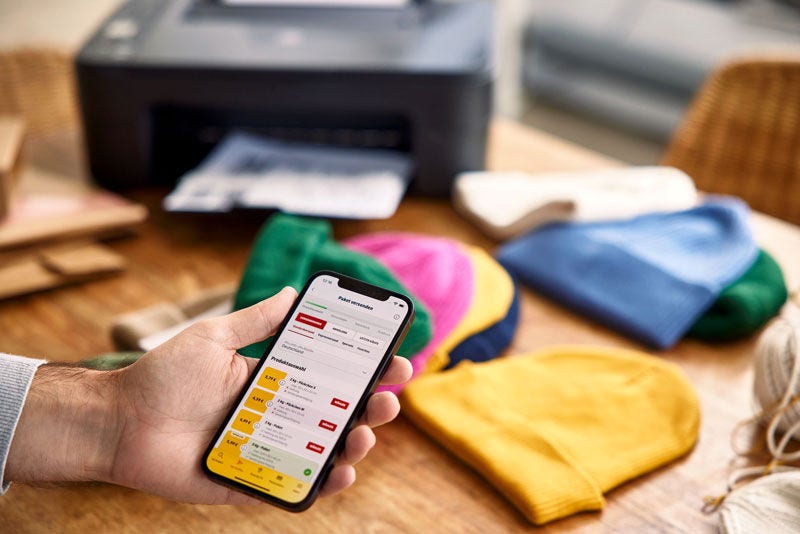
The process is straightforward by design. When a shipper includes a recipient's mobile number or email on the DHL Air Waybill (AWB), ODD takes it from there:
- Automatic alert. Once the shipment enters DHL's care, the recipient receives an automatic notification — no manual follow-up needed from the shipper.
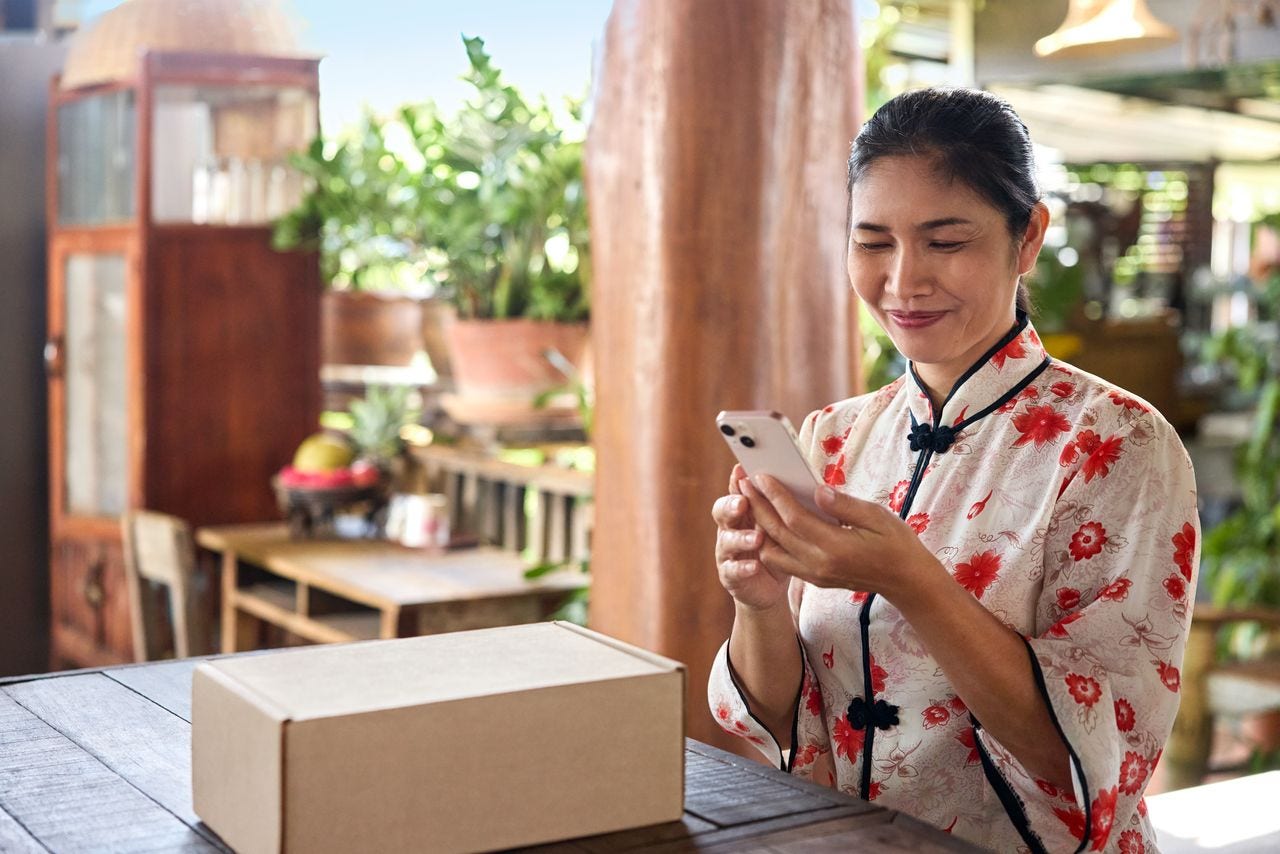
- Six delivery options. The notification includes a link where recipients can choose from six alternate delivery preferences, giving them full control even if they are away.
- Direct operations memo. Once a selection is made, the instruction routes directly to the local operations team and updates in real time.
- Vacation hold. If the recipient is traveling, they can request DHL to store the shipment securely at a local facility until their nominated return date.
To control how to receive your parcel, learn how to register for ODD here.
ServicePoint or Locker
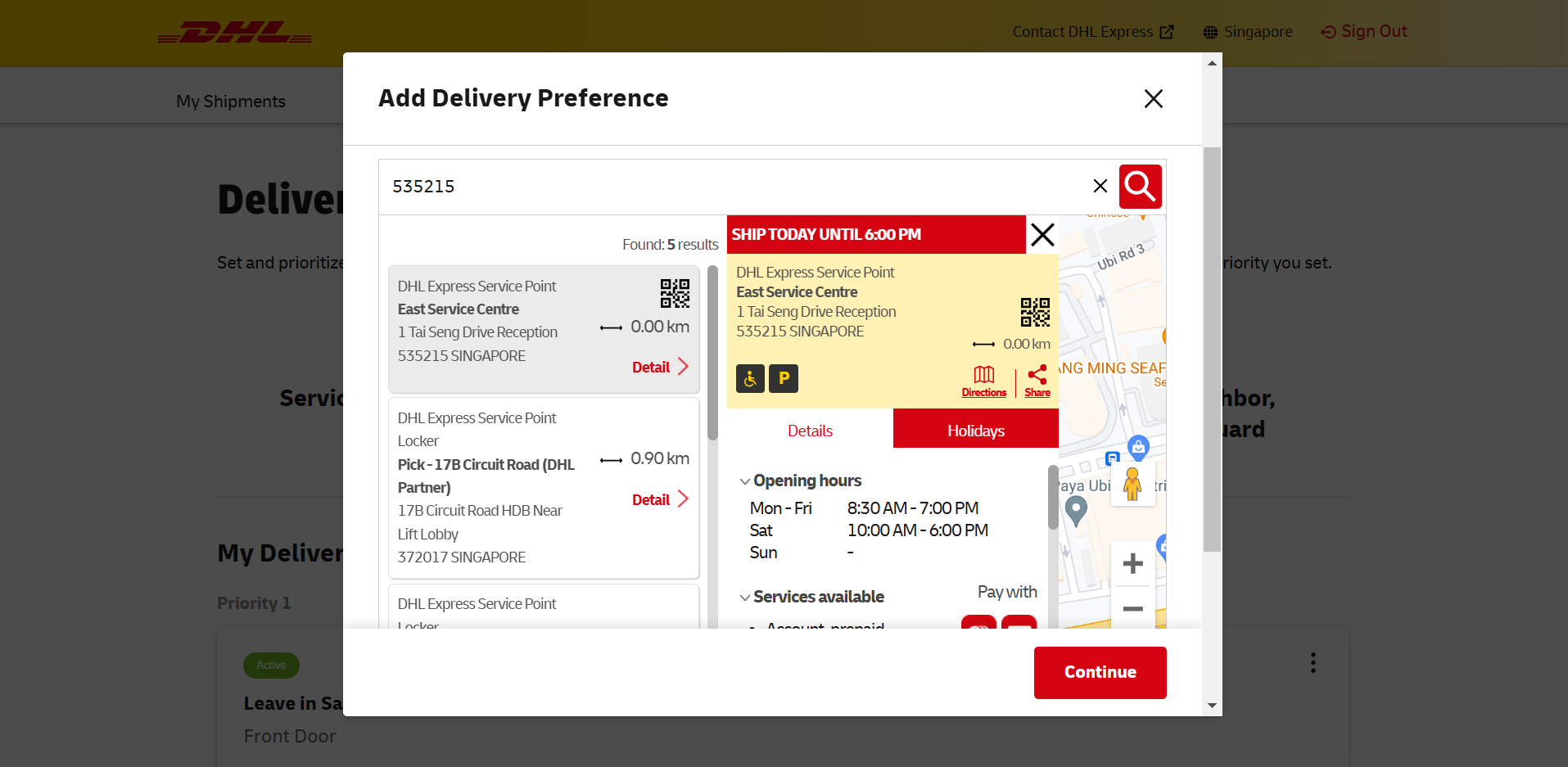
For recipients who are frequently away from home or operating out of busy commercial addresses, redirecting a shipment entirely is often the smarter call. Through ODD, recipients in Singapore can Input their postal code to see the nearest DHL ServicePoint or a 24/7 self-collection locker to reroute an incoming delivery before the first delivery attempt is even made.
This directly addresses two of the pain points covered earlier. A locker or staffed partner outlet eliminates the unattended drop-off scenario that invites theft, and it removes the ambiguity of complex delivery environments altogether. The recipient collects on their own schedule, at a secure, fixed location, with no risk of a parcel sitting exposed in a stairwell or misidentified lobby. For e-commerce businesses that require a reliable non-contact delivery arrangement at scale, this option functions as a practical, scalable safety net that keeps fulfillment moving without added risk.
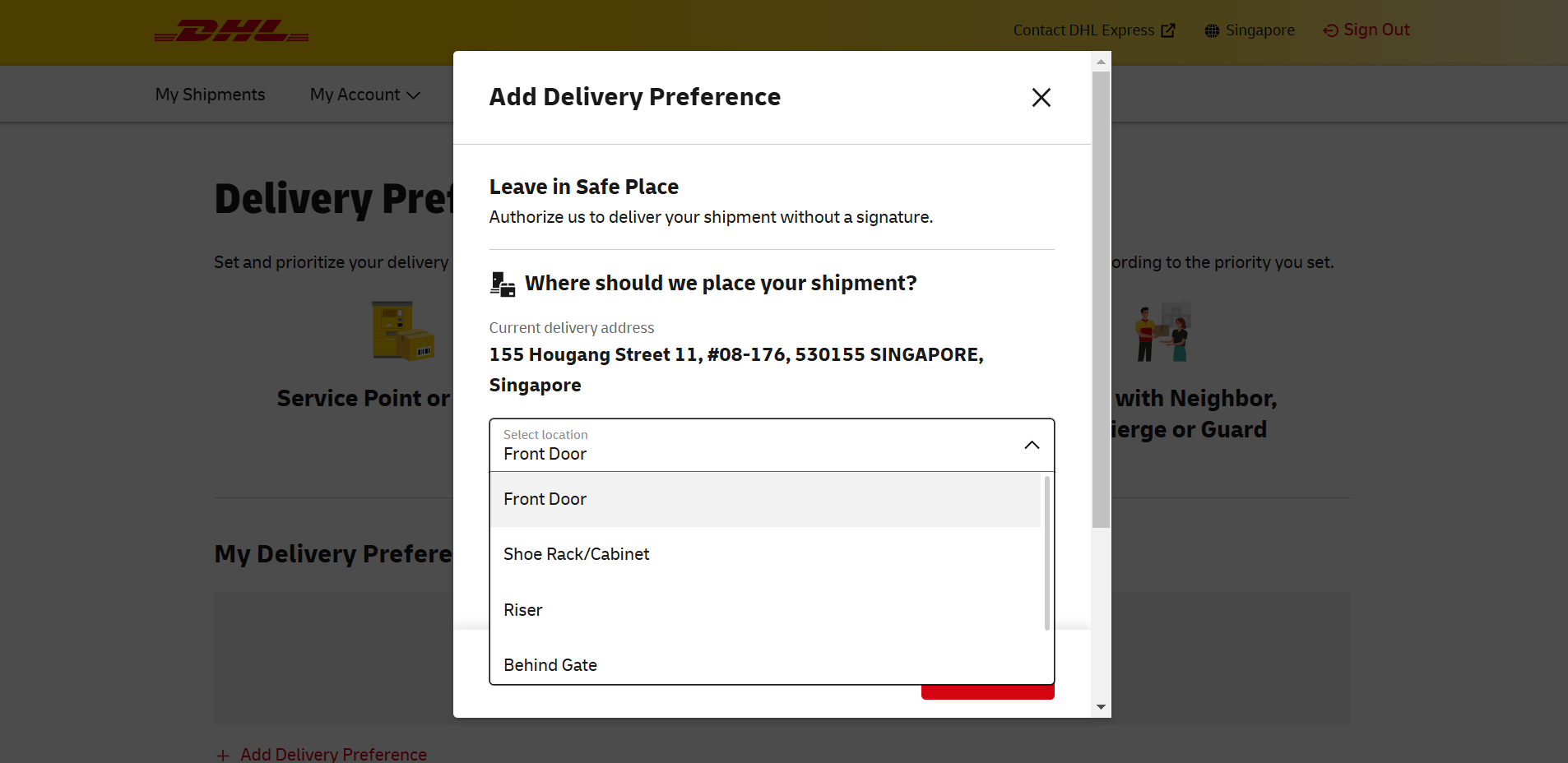
Leave in safe place
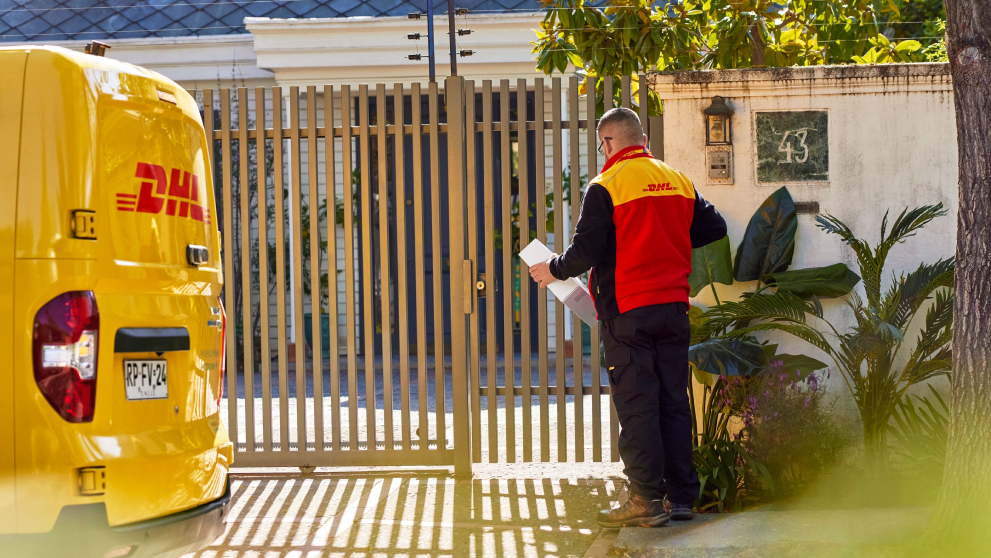
Where a locker isn't practical, ODD's "Leave in Safe Place" feature offers a more personalized alternative. Recipients can pre-authorize a specific location on their premises — a sheltered porch alcove, a secured side entrance, or a designated spot known only to the household — and have that instruction locked in before the courier arrives.
The key distinction here is intent. Rather than a courier making a judgment call in an unfamiliar environment, the recipient is defining the drop-off point on their own terms. This no-contact approach to delivery means fewer judgment calls in unfamiliar environments and a significantly lower risk of misplaced deliveries in high-rise or multi-unit settings. Combined with timestamped photo confirmation, it also creates a verifiable delivery record that holds up against fraudulent non-delivery disputes. For anyone using this as part of a broader e-commerce guide to managing inbound shipments efficiently, it is one of the simplest ways to add a layer of protection without adding friction.
Key advantages of contactless delivery for your business
For consumers, contactless delivery means greater convenience and flexibility. For businesses, it means leaner operations, stronger customer trust, and a measurable impact on the bottom line.
Here's how it delivers value across both sides of the transaction.
- Accelerated last-mile fulfillment. Removing the signature step compounds across an entire route. Couriers complete more drops per shift, reducing idle time and operational overhead. At scale, a well-optimized contactless delivery system lets your logistics operation flex naturally during peak seasons, protecting margins without a proportional increase in headcount.
- Enhanced delivery transparency. Today's shoppers expect to track their contactless shipment from dispatch to doorstep. Digital proof of delivery, including timestamped photos and automated notifications, significantly reduces WISMO inquiries and builds the kind of customer trust that compounds into repeat purchases and higher lifetime value (LTV).
- Reduced package loss and fraud. When every contactless drop-off is logged with a timestamped photo and delivery confirmation, there is a verifiable record on both ends. This reduces disputed deliveries, fraudulent non-delivery claims, and the insurance and replacement costs that follow.
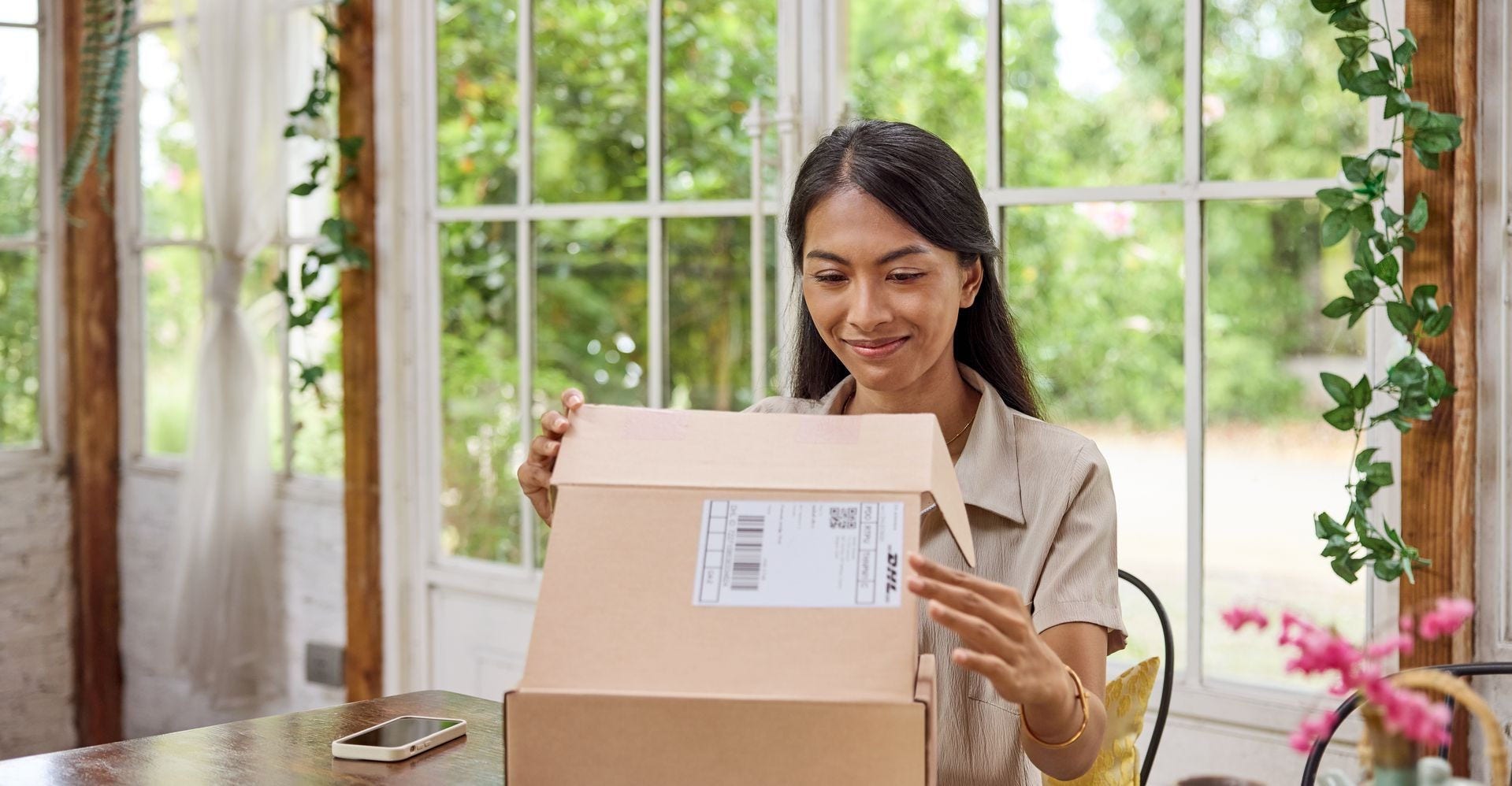
- Enhanced convenience and customer satisfaction. Contactless delivery removes one of the most common friction points in the last mile: the requirement for someone to be home. Customers receive their parcels at a preferred safe location, on their own schedule, a flexibility that aligns directly with how people in Singapore live and work today.
Challenges for contactless delivery
Contactless delivery offers clear advantages, but it is not a catch-all solution. For international businesses and consumers in Singapore alike, it comes with trade-offs worth understanding before committing fully.
- The risk of package theft. Without a recipient present, unattended deliveries become a target. "Porch piracy" is a well-documented challenge across e-commerce platforms, and its impact scales with shipment value. For businesses sending high-value B2B orders or retail parcels via an international parcel service, a stolen shipment triggers insurance disputes, strained supplier relationships, and reputational damage that outlasts the original delivery issue.
- Precise delivery location errors. Instructions like "leave at the side gate" are clear in a landed property. In a multi-tenant high-rise or commercial building, the same instruction becomes ambiguous fast. For time-sensitive contactless shipments, a misplaced delivery is just as costly as a missed one. Scheduling a DHL pickup service gives businesses more direct control over the collection point.
- Reduced personal brand touchpoints. A courier handover is more than a transaction — for many businesses, it is a chance to leave a lasting impression. Contactless delivery removes that moment entirely. For premium brands or businesses scaling across e-commerce platforms, the absence of personal interaction can quietly dilute brand perception, making service recovery feel transactional rather than reassuring.
Future-proof your shipping with DHL Express
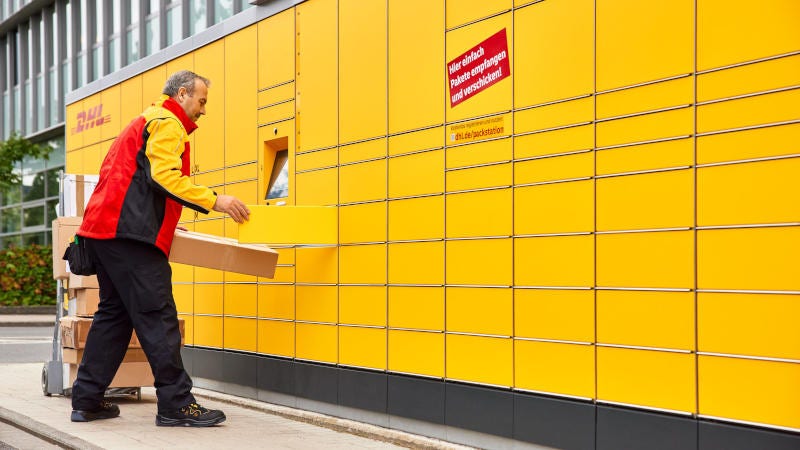
Contactless delivery has moved well past its origins as a stopgap measure. Today, it reflects what customers in Singapore and beyond expect from any credible international shipping experience: speed, transparency, and the freedom to receive shipments on their own terms.
For businesses, meeting that expectation is no longer optional. Consumers who experience a frictionless, trackable, flexible delivery are far more likely to return. Those who don't will find a competitor that offers it.
DHL Express gives businesses the tools to stay ahead of that curve. From the On-Demand Delivery suite and ServicePoint network to real-time tracking and verified drop-off confirmation, every part of the international delivery service is built to keep your shipments secure and your customers satisfied — without adding complexity to your operations.


 Share
Share
Similar Stories