No. The first identifies the country, such as +55 or +1. The second identifies a region within it, such as DDD 11 in São Paulo or 212 in Manhattan, and comes right after the country code.

A country code is the prefix that comes before a phone number on international calls, written with a plus sign: +55 for Brazil, +1 for the United States and +351 for Portugal. On an international shipment, the receiver's phone number goes in full, with country code, area code and number, so the courier can reach whoever is receiving.
The classic mistake is to copy the number as it appears on a business card. "(212) 555-0147" looks complete to someone in New York and is only half the information for an international shipping system. Without +1 in front, nobody knows where that number belongs.
Because delivery depends on talking to someone. The courier calls to arrange a time, to say nobody answered the door or to explain that duties must be paid before release. An incomplete number turns each of these moments into a wasted attempt.
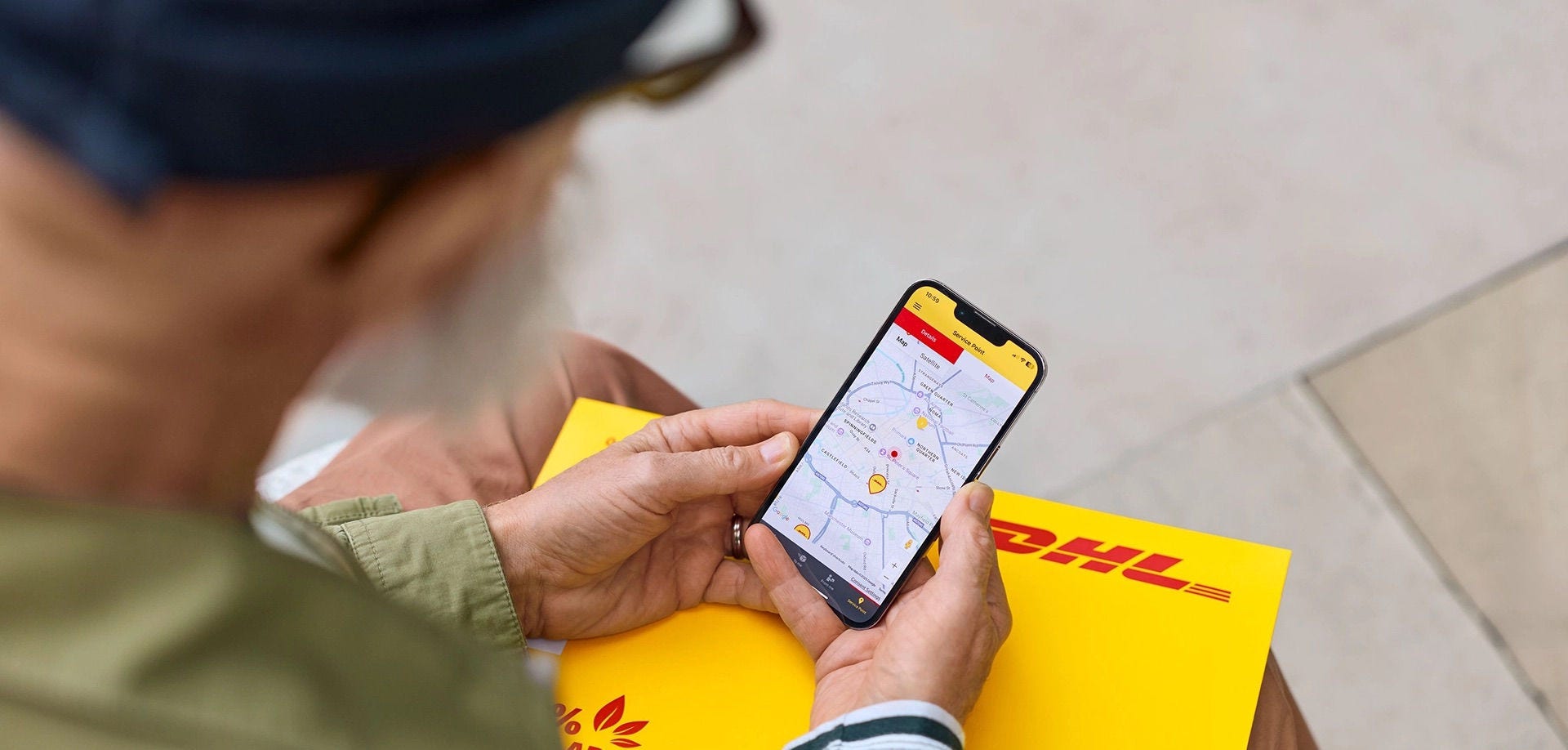
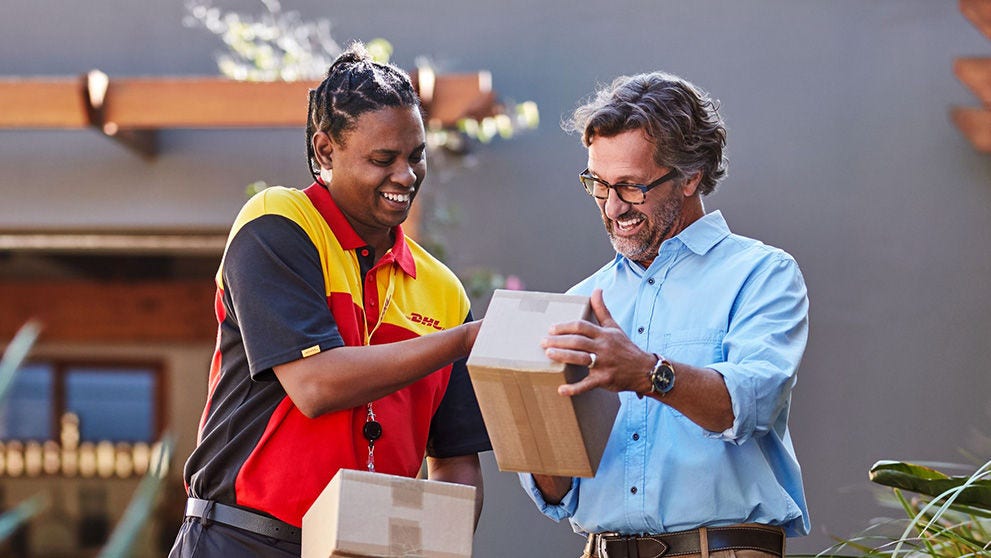
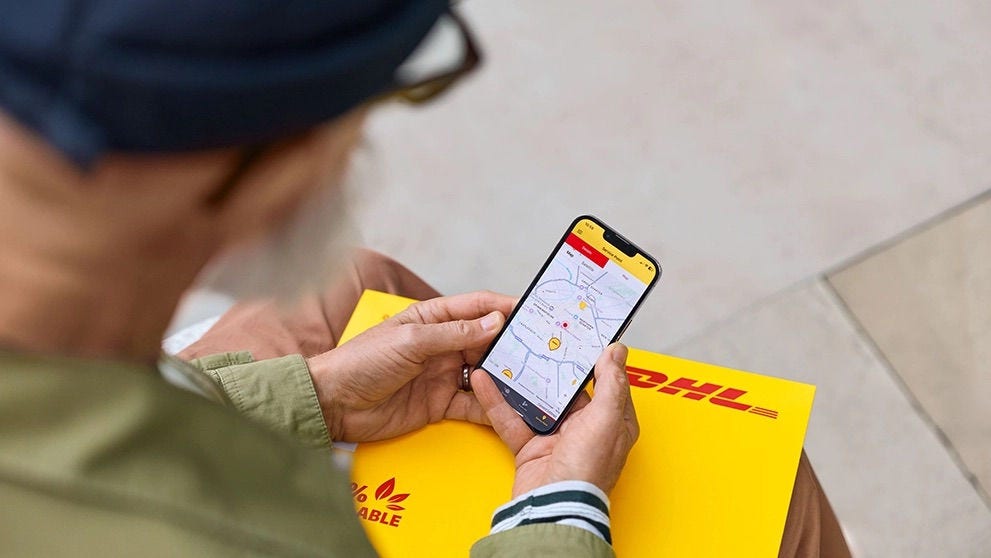
With DHL Express, when delivery is to a home address, the receiver gets email or SMS updates on the shipment and can use On Demand Delivery to change the date, redirect the parcel or collect it at a service point. Source: DHL Express Service and Rate Guide 2026, Brazil.
Without the right mobile number, that message never arrives. The guide to DHL tracking in Brazil shows how receivers follow each step.
The phone number also appears on the documents. The commercial invoice template in the same guide has a phone field for both shipper and receiver, next to the address and postal code.
DDI stands for Discagem Direta Internacional (international direct dialling) and, in everyday Brazilian usage, means the country code. DDD stands for Discagem Direta à Distância, the area code inside Brazil. The country has 67 numbering areas, each with its own national code, the DDD. Source: Anatel (Brazil's telecoms regulator), FAQ on tariff areas, 2026.
To call abroad from Brazil, Anatel describes the sequence: international prefix 00, carrier selection code, country code, area code (if any) and number. On a shipping form, only the country code, area code and number belong. The 00 and the carrier code are dialling instructions, not part of the phone number.
For Brazil, use +55. After it come the two-digit DDD and the local number. Brazilian mobile numbers have nine digits and start with 9, a rule Anatel extended to every mobile number in the country through Resolution 553 of December 2010.
A São Paulo mobile looks like this in international format: +55 11 9NNNN-NNNN, with N standing for each digit. Leave out the zero you would dial before the DDD on a domestic long-distance call, and the carrier code. This is the format to give suppliers and customers abroad when they ship to you in Brazil.
The United States uses country code +1, shared by 20 countries in the North American Numbering Plan, including Canada, the Bahamas, Jamaica and the Dominican Republic. Source: NANPA, the plan's administrator, October 2026.
Within that plan, every number has ten digits: a three-digit area code followed by a seven-digit local number, in the NXX-NXX-XXXX pattern. A Manhattan number reads +1 212 555 0147.
Those three area digits are what Brazilians often call the "DDD of the US", and they change from city to city.
Since +1 covers all 20 countries in the plan, the address is what tells you whether the number is American or Canadian. The guide to US state abbreviations for shipping shows how to build the city, state and ZIP code line.
Country codes are set by the International Telecommunication Union (ITU) in the list under Recommendation E.164, updated through amendments in the ITU Operational Bulletin. The table brings together the destinations that come up most in shipments from Brazil.
Country | Code | Country | Code |
United States | +1 | Germany | +49 |
Canada | +1 | United Kingdom | +44 |
Mexico | +52 | France | +33 |
Argentina | +54 | Spain | +34 |
Chile | +56 | Italy | +39 |
Colombia | +57 | Netherlands | +31 |
Paraguay | +595 | Switzerland | +41 |
Uruguay | +598 | China | +86 |
Portugal | +351 | Japan | +81 |
Australia | +61 | South Korea | +82 |
India | +91 | United Arab Emirates | +971 |
South Africa | +27 | Brazil | +55 |
Source: ITU, list of country codes assigned under Recommendation E.164, accessed October 2026.
Treat the phone number the way you treat the address: get it in writing and check it before you create the shipment.
Run the same check on the postal code.
A right address with a wrong phone number still ends in a wasted attempt, and the reverse is also true. The guide to postal codes for international shipping shows the formats by country. If you already ship regularly, the guide to exporting with DHL lays out the process from pickup to delivery.
No. The first identifies the country, such as +55 or +1. The second identifies a region within it, such as DDD 11 in São Paulo or 212 in Manhattan, and comes right after the country code.
Yes, as long as the person answers on that number while the parcel is on its way. A Brazilian student in Lisbon with a Brazilian SIM, for example, can get the message, but needs roaming switched on.
Yes, whenever possible. Email complements the phone for shipment updates and is the channel that works when the receiver has no signal or is in another time zone.
The courier loses the fastest way to sort out anything unexpected at delivery. The shipment may need another attempt or contact through the shipper, and each of those detours takes time.
A full country code, area code and number are what let the courier complete delivery on the first attempt. Together with an address in the destination's format, the shipment leaves ready.
With a business account you can save your customers' contacts abroad, create shipments with phone and address already checked and track every shipment in one place. Open a DHL Express business account and ship from Brazil with the right details from the first box.


 Share