It depends on the origin city, the destination and the service. The store team or a MyDHL+ quote gives you the transit time for your route before you book.



 Share
Share

To ship a parcel from Brazil to Australia, declare the contents and the real value on the invoice, check that the item does not clash with Australian biosecurity rules and choose the service by weight. Shipments worth up to AU$ 1,000 enter free of import duty (except alcohol and tobacco). New Zealand works in a similar way, with 15% GST.
Australia and New Zealand are popular destinations for Brazilians who move abroad to study, work or live, so sending documents, winter clothes, gifts or products from a small business is a common need. The distance can feel daunting, yet the process is the same as any international shipment: what changes are the entry rules, especially for food and products of plant or animal origin.
It depends on the declared value. According to DHL Express Australia's guide to duties and taxes, shipments worth up to AU$ 1,000 enter free of import duty, except alcoholic drinks and tobacco, which always pay. Above that value, duty is usually 5% of the customs value, and 10% GST also applies.
Australian GST is calculated on the full cost of the shipment: the value of the goods, freight, insurance and the import duty itself. That is why the final bill is always higher than 10% of the product price. The figures come from the Discover DHL Australia guide to import duties and taxes.
For shipments of up to AU$ 1,000 arriving by air or sea, Australian customs requires a simplified declaration called Self-Assessed Clearance (SAC), at no extra charge. In practice, this is one more reason to get the description and value right from the start.
New Zealand charges 15% GST on most imports, calculated on the value of the goods plus freight and insurance. Import duty varies by product: a large share of items has a zero rate, while clothing and footwear can reach 10%. Source: Discover DHL New Zealand, import guide.
Since 1 April 2026, the New Zealand government has charged a low-value goods levy: NZ$ 2.21 plus GST on every inbound shipment worth up to NZ$ 1,000. It is a government charge, not a courier fee, and it may be included at checkout or paid before delivery. Source: Discover DHL New Zealand, March 2026.
The table sums up the differences between the two most popular destinations in Oceania.
Point | Australia | New Zealand |
Consumption tax | 10% GST | 15% GST |
Import duty exemption | Up to AU$ 1,000 (except alcohol and tobacco) | Depends on the product, many at zero |
Extra government charge | Free SAC declaration up to AU$ 1,000 | NZ$ 2.21 plus GST per shipment up to NZ$ 1,000 |
Watch out for | Biosecurity and supplements | Biosecurity, food and medicines |
Usually the receiver. DHL Express pays duties and taxes to customs on the receiver's behalf and then collects the payment before or on delivery, as DHL Express Australia's help centre explains.
If you want the parcel to arrive with no charge for the person receiving it, you can choose to pay all charges, including duties and taxes, when you ship. It is the usual choice for gifts: your son studying in Sydney or your friend in Auckland gets the box with no surprise at the door.
Both countries have some of the strictest biosecurity rules in the world. Food, plant materials and animal products may need an import permit or be banned outright, according to DHL Express Australia's restricted items guide.
The points that most often catch senders from Brazil:
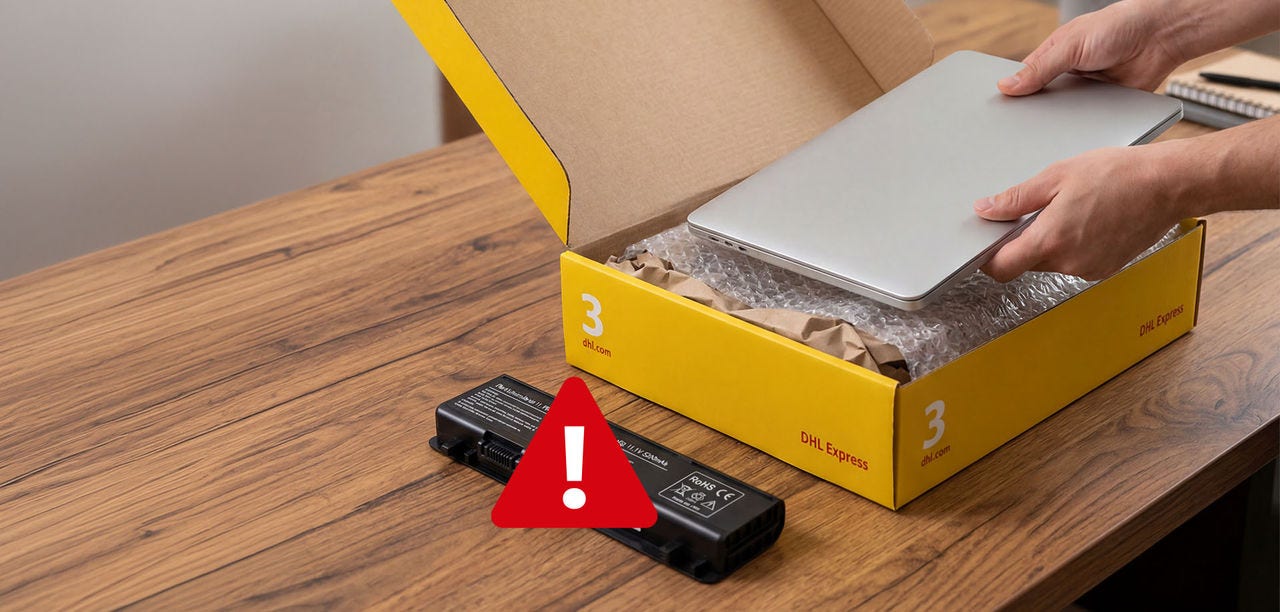
When in doubt, ask the store team before you pack. For batteries, the guide on how to ship batteries explains what changes for phones, laptops and power banks.
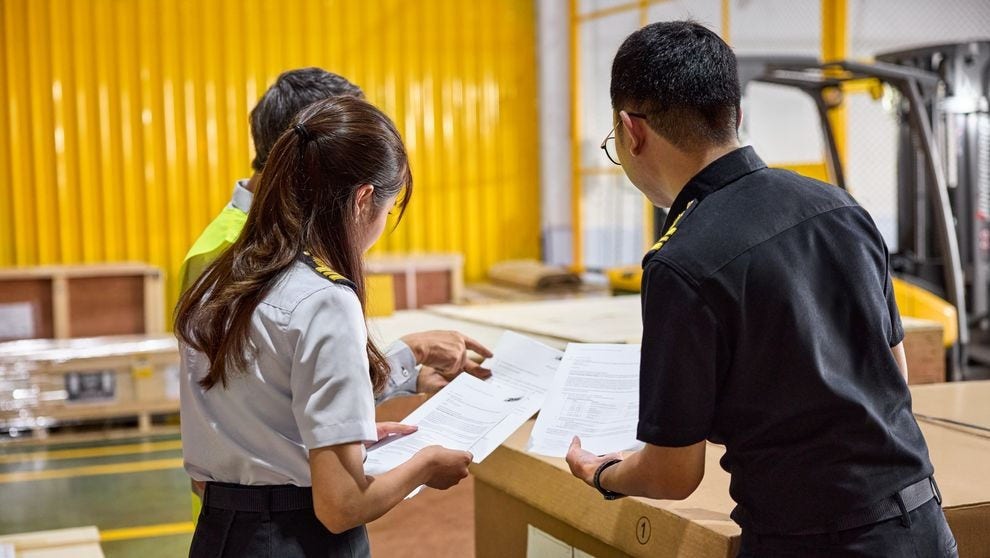
For goods, the key document is the commercial invoice, with an English description of each item, the quantity, the real value and the country of origin. A vague description such as "gift" or "clothes" is the most common reason for a hold. The commercial invoice guide walks you through each field.
For documents such as certificates, contracts and diplomas, the process is simpler. The guide on sending documents from Brazil covers the right services and the extra protection for papers that are hard to replace.
If you are moving abroad and want to send clothes and personal effects, see also how to ship luggage from Brazil.
When you ship a parcel from Brazil to Australia, the right service depends on the weight and on what you are sending. According to DHL Express Brazil's delivery services page, these are the most common options for Oceania.
Service | Best for | Limit |
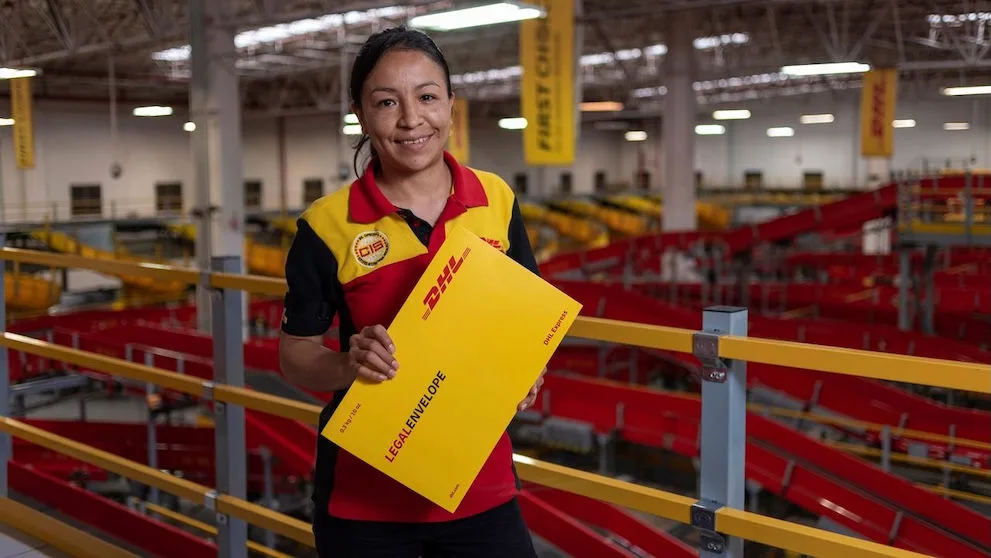
Express Envelope | Documents | Up to 0.3 kg |
Express Easy | Parcels dropped at the counter, in DHL packaging | Single piece up to 25 kg |
Express Worldwide | Larger parcels and business shipments | Pieces up to 70 kg and shipments up to 3,000 kg |
For valuable items, consider adding Shipment Value Protection, which costs US$ 16 or 1% of the protected value on international shipments, whichever is higher, according to MyDHL+ Brazil. The details are in the guide to shipment insurance.
Yes. DHL stores in Brazil run special conditions for shipments to Europe, Asia, North Africa and Oceania, and the rules of each campaign change during the year. The current codes are listed on the DHL discount codes page, and the store team confirms on the spot which one applies to your shipment.
If you prefer to book online, MyDHL+ offers the CLICK15 code, with 15% off international shipments booked on the website, valid until 31 December 2026. Heavier shipments usually get better terms too: at the store, the more weight, the bigger the discount.
It depends on the origin city, the destination and the service. The store team or a MyDHL+ quote gives you the transit time for your route before you book.
Yes. Shipments worth up to AU$ 1,000 enter free of import duty, except alcoholic drinks and tobacco, according to DHL Express Australia.
It depends on the food. Australian biosecurity requires a permit for, or bans, certain foods, plant materials and animal products, so check with the store team before you pack.
Usually the receiver, on delivery. If you prefer, you can pay all charges when you ship, so the receiver pays nothing at the door.
Yes. A gift is still goods for customs and needs a clear English description and its real value on the commercial invoice.
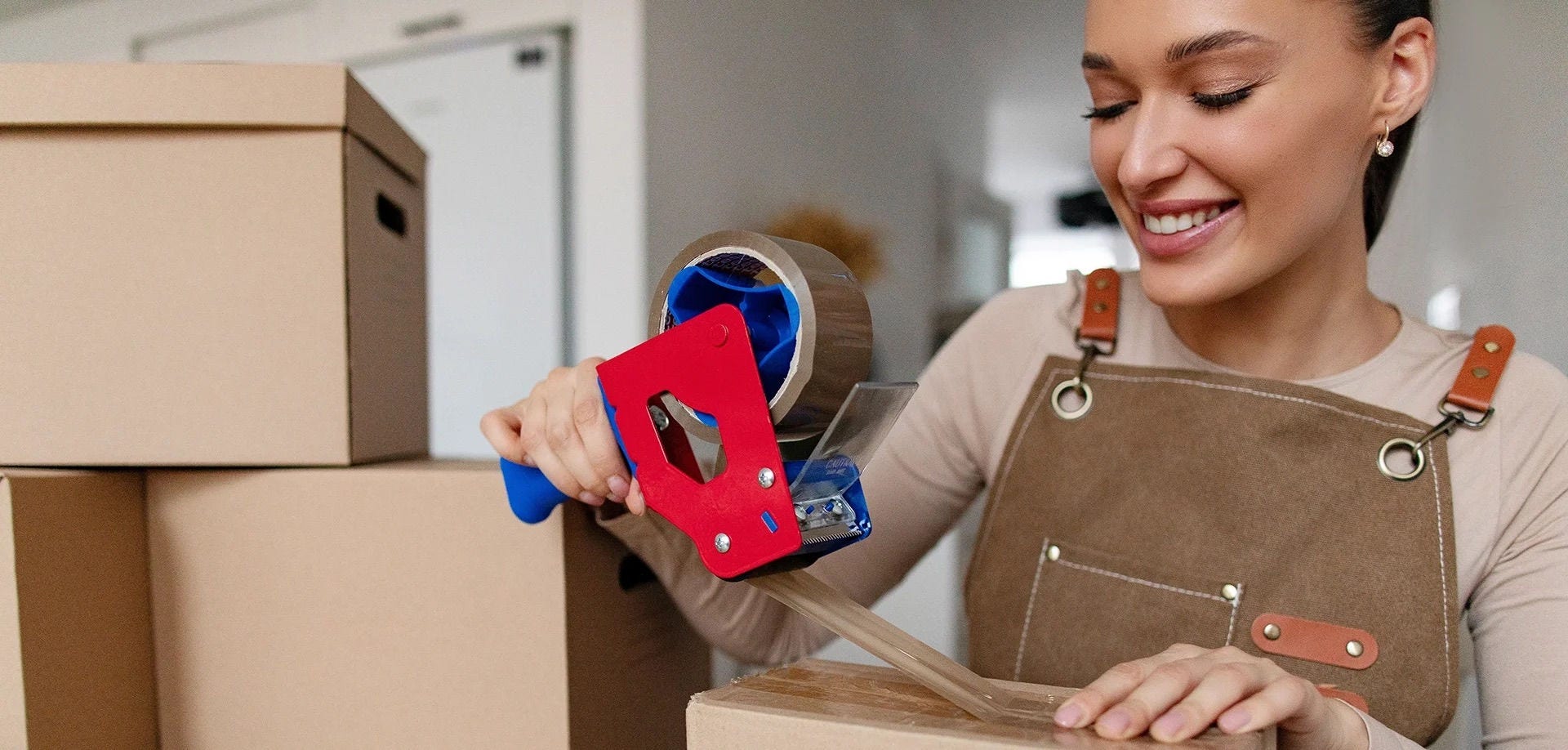
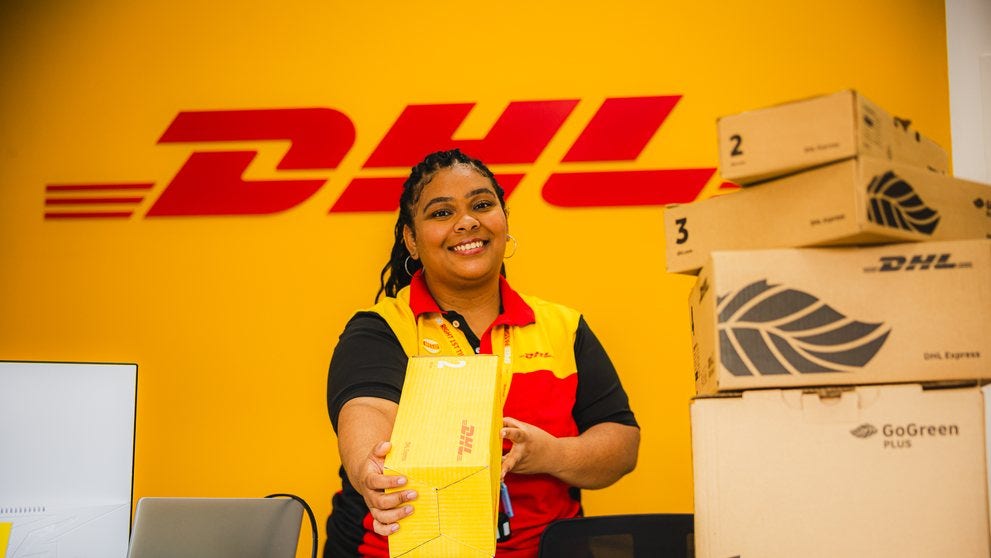
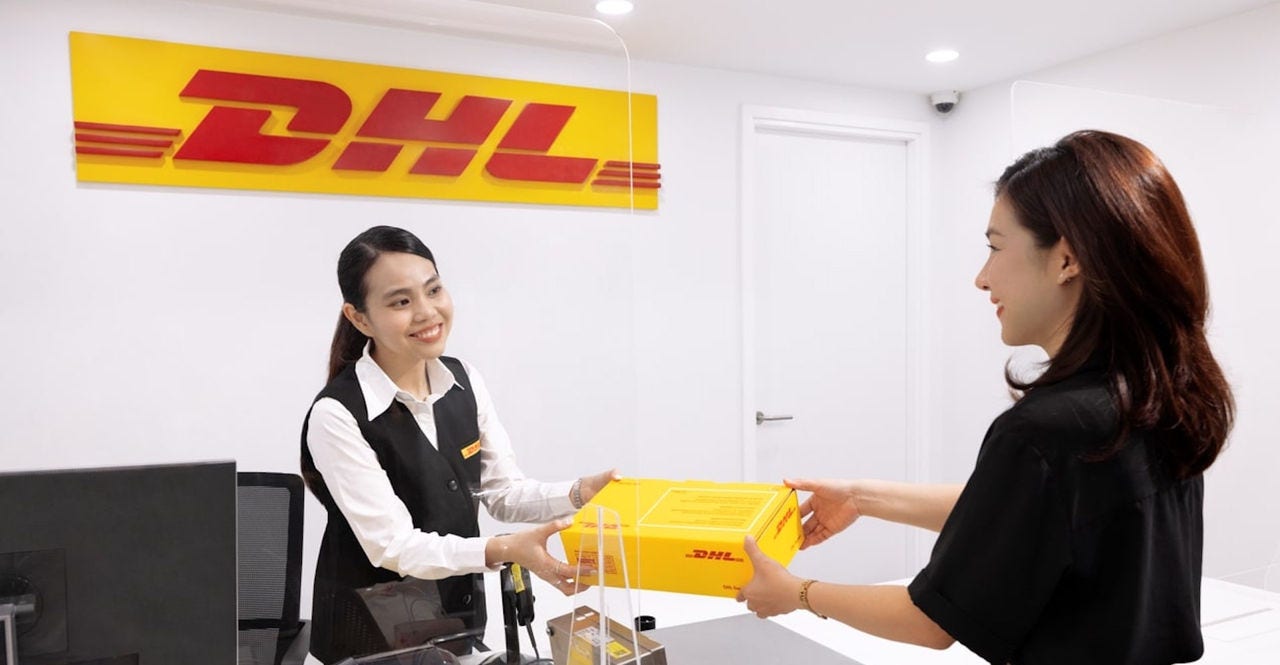
At a DHL store, you bring what you want to send and the team takes care of packing, the English paperwork and the choice of service, with tracking all the way to the receiver's door on the other side of the world.
Find the nearest DHL store.
Share