#ShippingWithDhl

Medical Express in Brazil: shipping medicines, samples and healthcare products with DHL Express

Diana Oliveira
Diana Oliveira
Regulatory Affairs Manager, DHL Express Brazil
9 min read
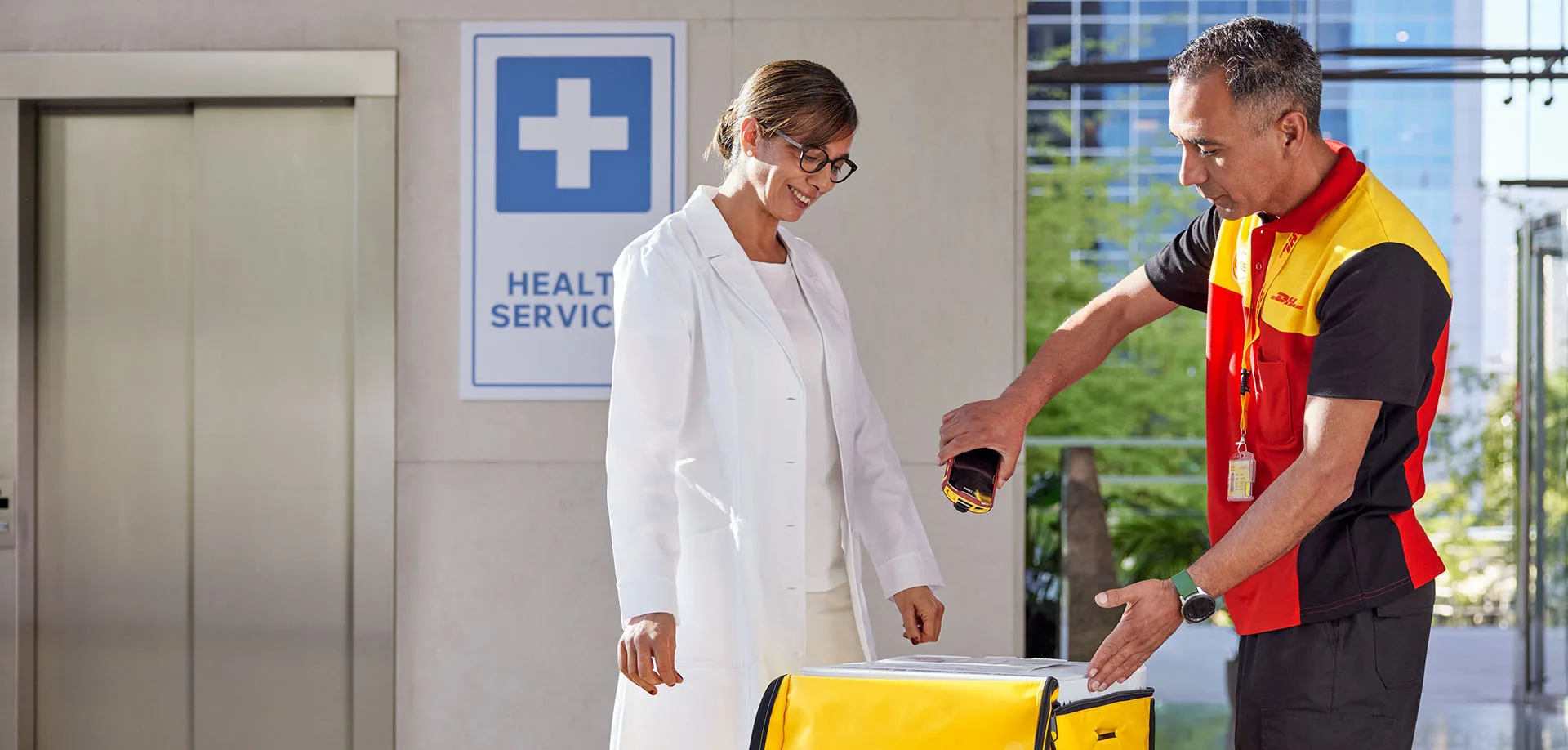
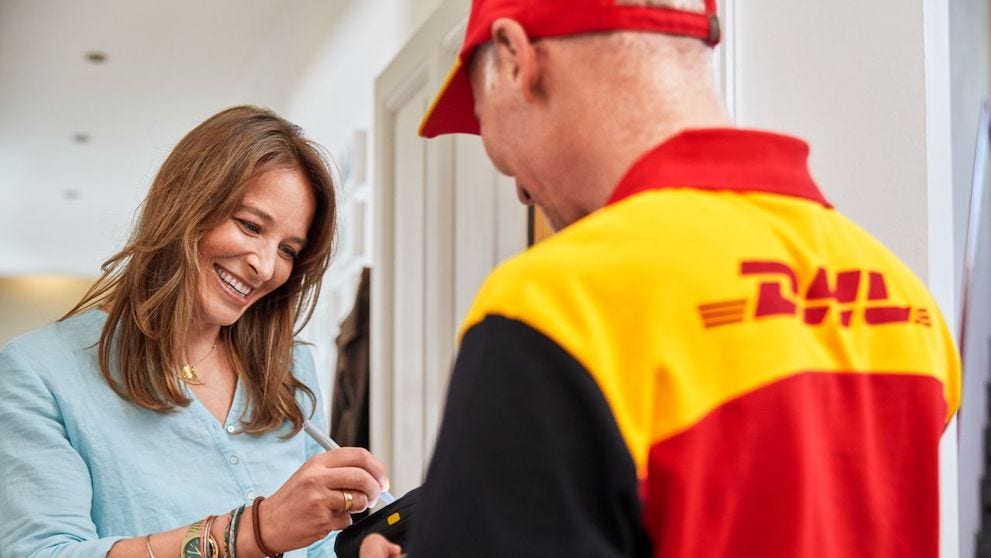
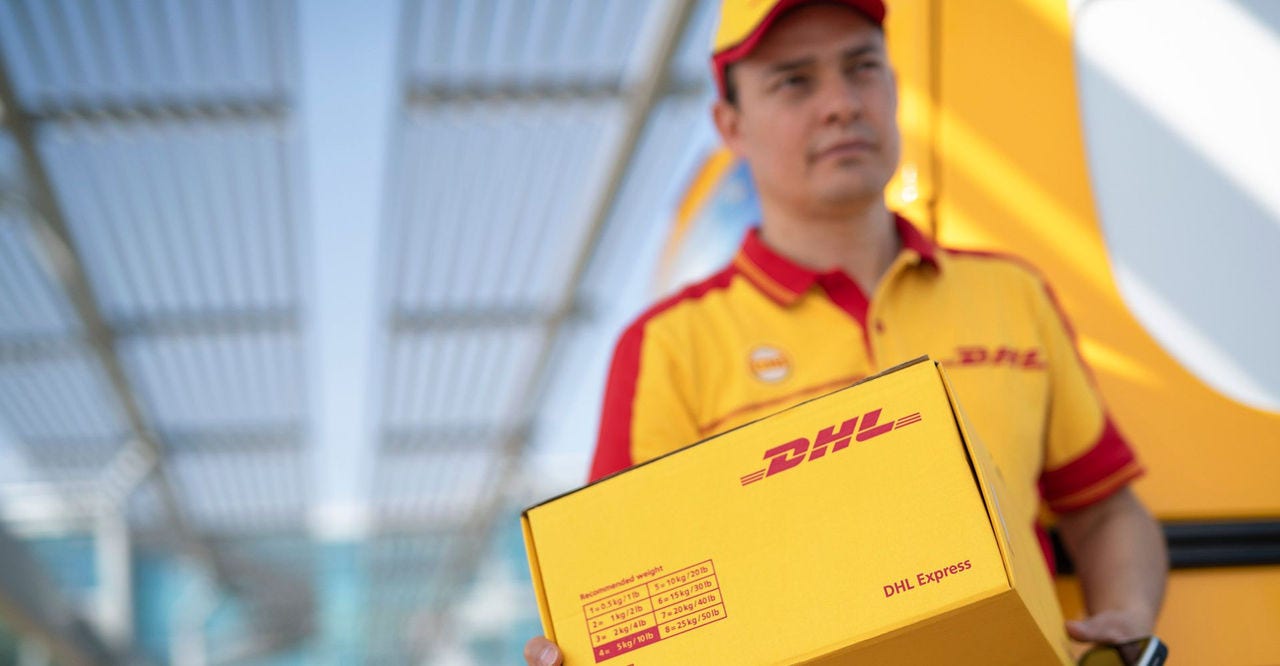
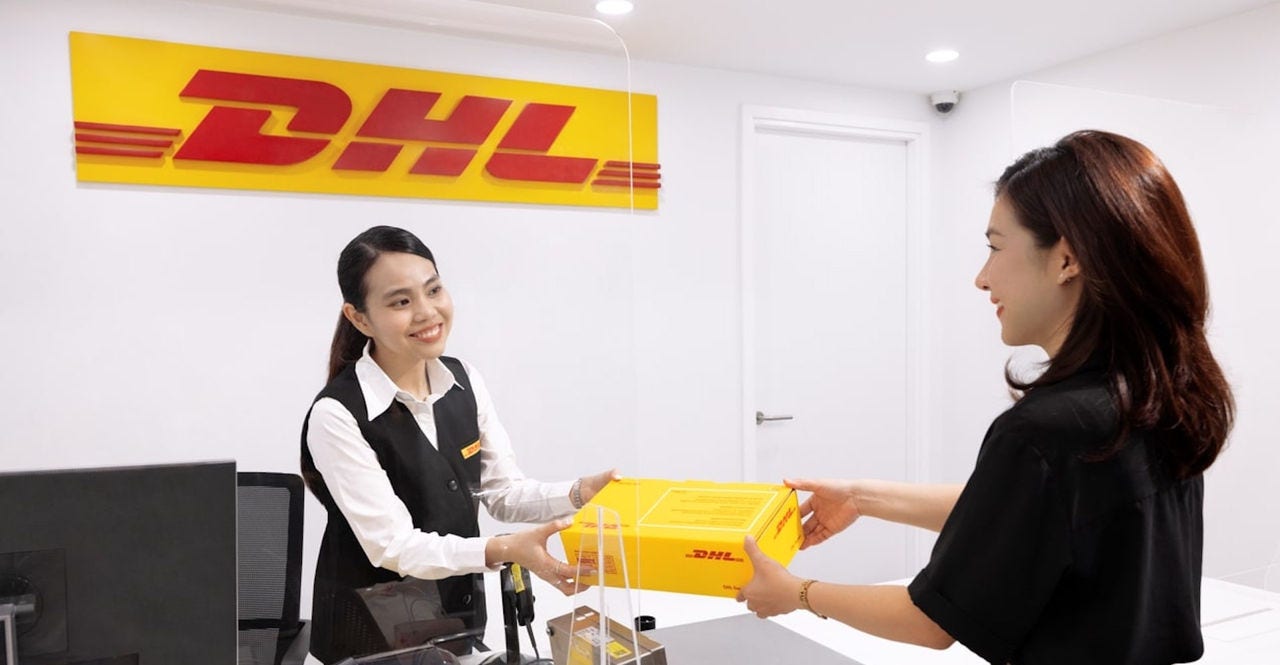
DHL Express courier hands a Medical Express shipment to a healthcare professional at the reception of a health services facility
In this article
WMX (product code Q) for international and CMX (product code C) for domestic shipments in Brazil
What can be shipped and what makes a shipment Medical Express
UN3373 biological samples: packaging, classification and an enabled account
DHL Express and customer responsibilities, with the Quality Agreement as a PDF

Medical Express is the DHL Express solution for the express transport of Life Sciences & Healthcare products that need specific care: medicines, biological samples, medical devices and diagnostic materials. In Brazil it comes in two versions, WMX for international shipments and CMX for shipments within the country, and each one requires an enabled account and lane before the first shipment.

If you work in a laboratory, hospital, distributor, pharmaceutical company or medical device business, you know this kind of shipment leaves no room for improvisation. The classification of the contents, the packaging and the information that travels with the parcel decide whether it ships or stays behind. There is no middle ground. This page explains how Medical Express works in Brazil, what it carries, how the two versions differ and what is up to you before you book the pickup.

What is DHL Express Medical Express?

Medical Express is the differentiated handling that DHL Express applies to Life Sciences & Healthcare shipments, with priority, monitoring and operating procedures designed for this type of content. Life Sciences & Healthcare is a strategic sector for DHL globally, and the solution exists so that the product reaches its destination under the conditions you defined.

In practice, medicines, biological samples, diagnostic materials and medical devices may require special handling, packaging, priority and monitoring conditions during transport. Medical Express organises those requirements into an operational flow that DHL Express follows from pickup to delivery, on domestic and international lanes. Nothing about it is improvised.

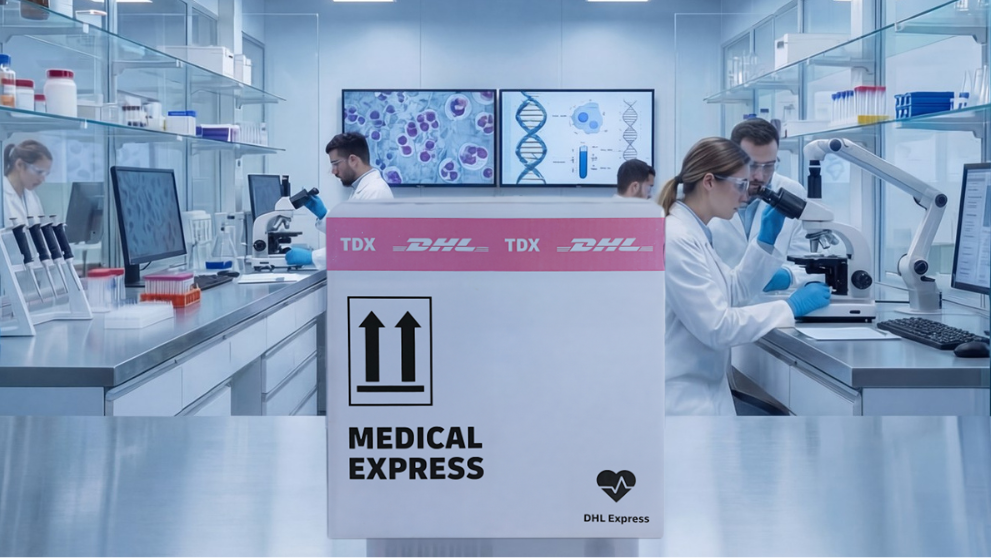
DHL Medical Express box on a laboratory bench, with researchers in the background

What is the difference between WMX and CMX?

The difference is the scope: WMX (Worldwide Medical Express) covers international shipments and CMX (Medical Express) covers domestic shipments within Brazilian territory. The Medical Express handling is the same in both, and what changes is the lane, the documentation and the product code declared at dispatch.


WMX

CMX

Full name

Worldwide Medical Express

Medical Express

Product code

Q

C

Scope

International shipments, imports and exports

Domestic shipments within Brazil

Suited to

Operations that, because of the product characteristics or the criticality of the shipment, need differentiated handling in international transport

Operations within Brazilian territory that need the same Medical Express handling

Example

A clinical trial sample sent from São Paulo to a central laboratory in the United States

A diagnostic kit sent from a distributor in Campinas to a hospital in Manaus

Keep the right acronym at hand when you ask for a quote or talk to the sales team: it prevents the shipment from being opened under the wrong product. The wrong acronym costs time. For international operations, it also helps to know when a shipment can travel as courier and when it needs a formal export.

What can be shipped with Medical Express?

Medical Express serves different types of Life Sciences & Healthcare products, according to the characteristics and requirements of each operation. The main ones are:

  • Medicines and pharmaceutical products;
  • Medical devices;
  • In vitro diagnostic products;
  • Immunobiologicals;
  • Pharmaceutical raw materials;
  • Biological samples;
  • Diagnostic kits and materials;
  • Reagents;
  • Other products subject to health surveillance.

Acceptance of the shipment is conditional on meeting the requirements that apply to the product and the operation. At pickup, DHL Express carries out a visual inspection of the parcel, and the account and lane must be enabled for that type of content. If your product depends on registration, a licence or clearance from a health agency, check what import licences and the Brazilian regulatory agencies require before planning the shipment.

Does your shipment need temperature control?

Some Life Sciences & Healthcare products only keep their quality within a specific temperature range. When that is the case, you must inform DHL Express, before dispatch, of the temperature, stability, handling and other conditions the product requires.

Defining and ensuring the suitability of the packaging used to maintain those conditions is the customer's responsibility. That includes, where applicable, thermal packaging, insulating materials, dry ice, gel packs, sensors and temperature data loggers. DHL Express carries out the transport according to the instructions received, but does not qualify or validate the packaging you chose. That choice is yours.

One point that often raises questions: the need for temperature control, on its own, does not make a shipment Medical Express. The type of content and the specific requirements of the operation also count. A product with no thermal requirement can be Medical Express, and a refrigerated product may not be.

Dry ice, by the way, is classified as dangerous goods in air transport (UN 1845). If the packaging uses dry ice, the shipment must also follow the rules for dangerous goods, with the declaration and labelling the category requires.

How do you ship biological samples with Medical Express?

Every biological sample must be correctly classified before shipping, because the classification defines the product, the packaging and the documentation. The two most common situations are the Category B biological substance and the minimal risk or exempt sample.

Biological Substance, Category B (UN3373)

UN3373 is the classification used for Category B biological substances, those that contain or may contain pathogens without a high risk of causing serious disease. To transport these shipments, the applicable packaging, identification and conditioning requirements must be observed.

When the shipment is classified as UN3373, transport must take place under the Medical Express product that matches the operation:

  • Domestic shipment within Brazil: CMX | Medical Express;
  • International shipment: WMX | Worldwide Medical Express.

The account and the lane must also be enabled in advance for this type of operation. That setup is done with the DHL Express sales team before the first shipment, not on pickup day, and it applies to every site that will dispatch.

Minimal risk or exempt samples

Not every biological sample is classified as UN3373. When there is a minimal likelihood of pathogens being present, the sample may receive a different classification, according to the applicable regulatory requirements.

That is why the correct classification of the contents must be defined before the shipment is prepared, preferably by your company's technical officer, who knows the origin of the material and the regulatory framework it falls under. Classifying after packing usually means repacking. Start with the classification.

Which packaging should you use for a Medical Express shipment?

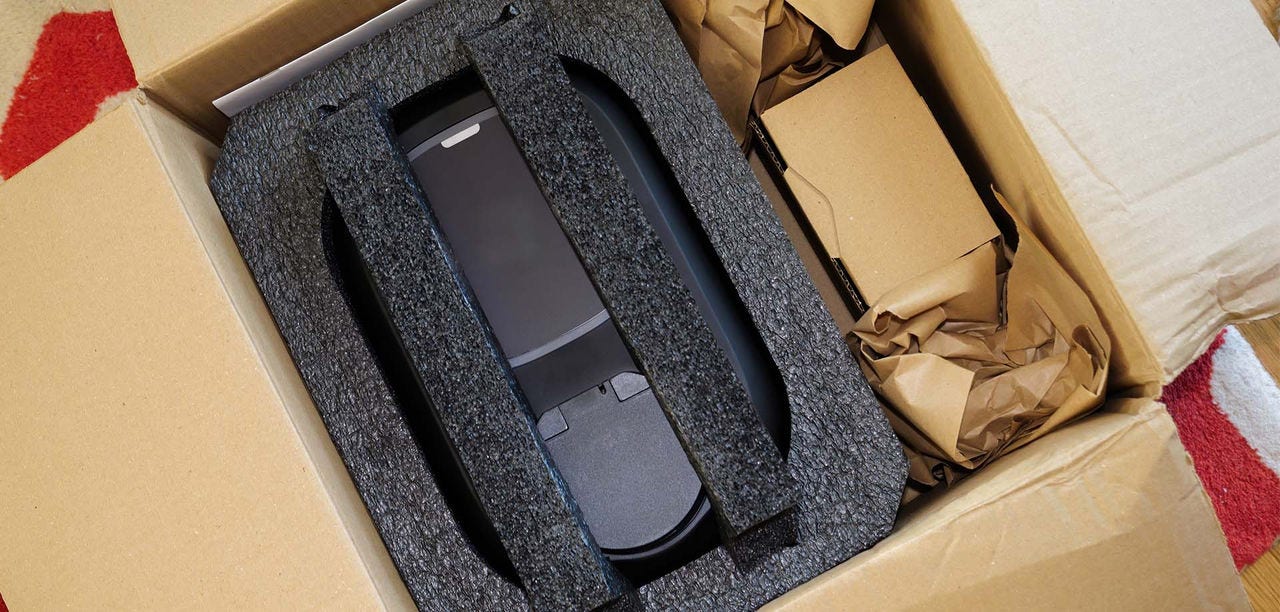
The packaging must suit the characteristics of the product and the requirements that apply to the shipment. Before shipping, it is the customer's responsibility to ensure the parcel is properly packed, identified, labelled and accompanied by the necessary documentation.
For products that require specific temperature conditions, the selection, qualification and validation of the thermal packaging and of the elements used for temperature control also rest with the customer.

DHL Express carries out a visual inspection of the shipment at acceptance. That inspection checks the visible integrity of the parcel and does not replace the customer's responsibility for the suitability of the packaging and the conformity of the product. A box that arrives intact with the product outside its temperature range is a packaging problem, not a transport problem. Check it twice.

How is quality maintained during transport?

Transporting Life Sciences & Healthcare products requires clearly defined processes and responsibilities. DHL Express carries out the transport according to the applicable standard operating procedures and the handling instructions you provide at dispatch.

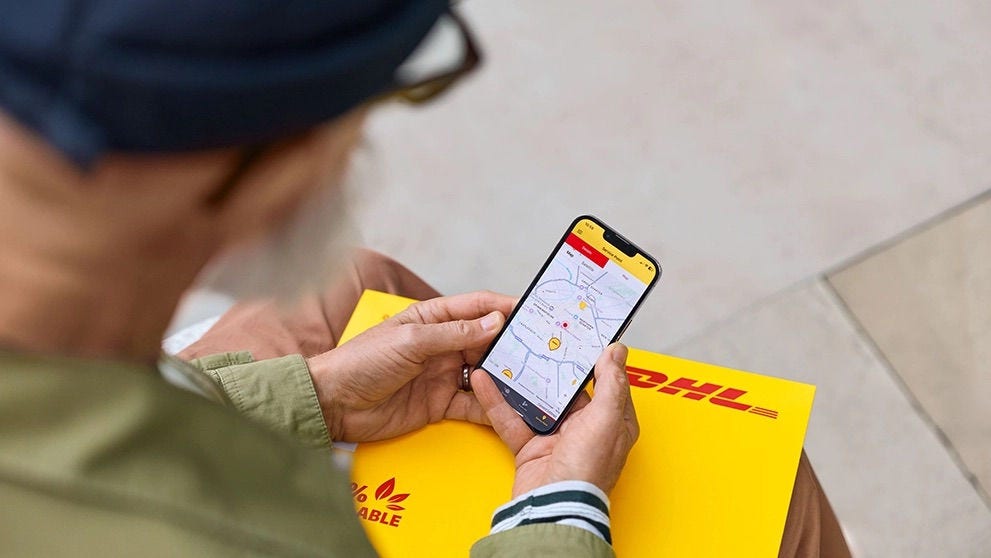
During transport, DHL Express maintains operational controls aimed at preserving the visible integrity of the shipment, as well as recording and reporting any non-conformities identified during the operation. You follow the journey through DHL tracking with the waybill number.
These processes are formalised in the DHL Express Quality Agreement, presented further down this page. It is the document that sets out, in writing, what each party does when something deviates from plan.

What are the responsibilities of DHL Express and of the customer?

For a Medical Express operation to run properly, DHL Express and the customer have distinct responsibilities along the process. The split is simple: DHL Express answers for the transport; the customer answers for the product, the packaging and the information.
DHL Express responsibilities

DHL Express is responsible for:

  • Carrying out the transport according to the contracted service and the applicable procedures;
  • Following the handling instructions provided by the customer;
  • Maintaining the applicable operational controls during transport;
  • Preserving the visible integrity of the shipment;
  • Keeping the applicable operational records;
  • Reporting any non-conformities identified during transport.

Customer responsibilities

Before each dispatch, the customer must:

  • Provide complete information about the product;
  • State temperature and handling requirements;
  • Use packaging suited to the characteristics of the shipment;
  • Ensure correct identification and labelling;
  • Provide the necessary tax and regulatory documentation;
  • Hold the licences, authorisations and registrations required by the competent authorities;
  • State any special condition required for transport.

Regulatory responsibilities related to the product remain with the customer, including health registration, shelf life, labelling, quality control and other applicable obligations. DHL Express acts exclusively as a carrier and does not perform the role of manufacturer, importer, distributor or holder of the health registration.

What are the limits of DHL Express liability?

DHL's liability is strictly limited to direct loss of or damage to a Shipment and to the per kilogram limits set out in the Terms and Conditions of Carriage, available at https://mydhl.express.dhl/br/en/legal/mbg.html. All other types of loss or damage (including, but not limited to, loss of profits, loss of interest and future business) are excluded, whether such loss or damage is indirect or consequential, and even if DHL has been notified of the risk of such loss or damage.

In practice, this means the declared value, the packaging and the handling instructions you provide are your protection. Incomplete information or unsuitable packaging removes DHL Express liability for the damage, even when the parcel was transported as contracted. Read the terms before your first shipment.


What should you check before shipping?

Eight questions solve most acceptance problems. None can be left unanswered. Answer all of them before booking the pickup:

  1. Is the shipment domestic (CMX) or international (WMX)?
  2. Have the contents been correctly identified and classified?
  3. Are there specific temperature or handling requirements?
  4. Is the packaging suited to the product and the operation?
  5. Is the shipment correctly identified and labelled?
  6. Is all the tax and regulatory documentation available?
  7. Are there dangerous goods requirements, such as UN3373 or dry ice?
  8. Are the account and the lane enabled for the operation, where required?

With the eight answers in hand, the rest follows the flow of any DHL Express shipment: book the courier pickup, follow the tracking and brief the consignee on checking the parcel on receipt. For shipments within the country, see also how domestic shipping in Brazil works with DHL Express.

What is the DHL Express Quality Agreement?

For Life Sciences & Healthcare operations, DHL Express Brazil has a Quality Agreement that establishes the roles, responsibilities and minimum quality standards that apply to the transport process. The document details the responsibilities of DHL Express and of the customer related to quality processes and to the conditions required to carry out the operation.

The Agreement is an integral part of the service contract and includes, in Annex I, the Quality Responsibilities Matrix: a table that shows, item by item, what falls to DHL Express and what falls to the customer in quality systems, health licences, audits, document control, validation, training, storage and dispatch. Quality documents and records are kept for at least five years, a period that covers audits and claims.

Read the Quality Agreement and Responsibilities Matrix (PDF, in Portuguese).

In the event of conflict, the DHL Express Terms and Conditions of Carriage prevail over the Quality Agreement.

Frequently asked questions about Medical Express in Brazil

They are two versions of the same solution. CMX (Medical Express, product code C) covers domestic shipments within Brazil, and WMX (Worldwide Medical Express, product code Q) covers international shipments. The operational handling is the same; what changes is the scope, the documentation and the code declared at dispatch.

Yes. The account and the lane must be enabled in advance for this type of operation, especially for UN3373 shipments. The setup is done with the DHL Express sales team before the first shipment.

No. The need for temperature control, on its own, does not define a Medical Express shipment. The type of content and the specific requirements of the operation must also be considered.

The customer. Defining, qualifying and validating the thermal packaging, insulating materials, dry ice, gel packs and temperature data loggers is the shipper's responsibility. Dry ice is dangerous goods (UN 1845) and requires its own declaration and labelling.

No. DHL Express carries out a visual inspection of the shipment and maintains controls aimed at the visible integrity of the parcel. Reading the temperature records and deciding on acceptance, quarantine or disposal of the product after delivery is up to the customer's technical officer.

The DHL Express Brazil Quality Agreement, with the Quality Responsibilities Matrix in Annex I, is available as a PDF on this page, in Portuguese. In the event of conflict, the DHL Express Terms and Conditions of Carriage prevail.

Need help with a Medical Express operation in Brazil?

Each Life Sciences & Healthcare operation can have different characteristics. Before shipping, assess the contents, origin and destination, classification, temperature requirements, packaging and documentation to identify the right solution.

If you have questions about a Medical Express opportunity, talk to the DHL Express team. If your company does not have an account yet, open a DHL Express account to get the lane enabled.