The DHL Express guide advises against it, because used boxes lose rigidity. If you do reuse one, remove all old labels so the sorting team is not confused.



 Share

The best way to pack clothes for shipping abroad from Brazil is a plastic flyer bag for light, unstructured garments and a corrugated box for larger orders, structured pieces or valuable items. Either way, the clothes go folded, inside a plastic bag against moisture, with a commercial invoice that states the type of garment and its fibre content.
Clothes look like the easiest thing to ship, because they do not break. The losses come from elsewhere: a box that is too big makes you pay to ship air, an overstuffed flyer splits on the conveyor and a rainy day on the route stains a white shirt. And if the invoice just says "clothes", the shipment can stall at customs in the destination country.
Choose by weight and by the shape of the garment. T-shirts, underwear, swimwear and fine knits travel well in a flyer. Jackets, blazers, embroidered or beaded pieces and any order over 3 kg need a box.
The table uses the references in the DHL Express packing guide for express shipments. Sizes are indicative and can vary from country to country.
Packaging | Recommended maximum weight | Reference size | When to use it for clothes |
Standard flyer | 2 kg | 400 x 300 mm | T-shirts, underwear and fine knits |
Large flyer | 3 kg | 475 x 375 mm | A sweatshirt, jeans or a small set |
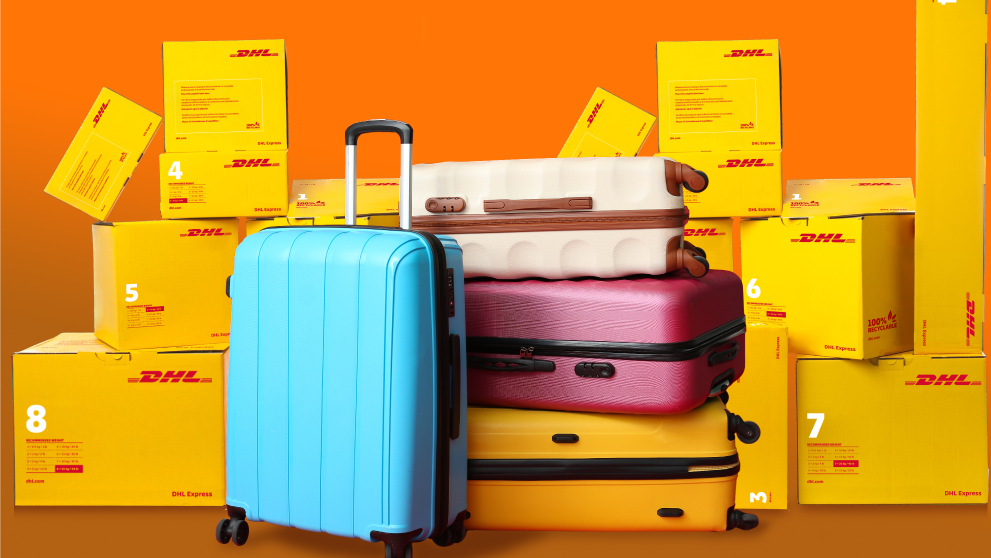
Single wall box | Up to 10 kg | To fit the contents | A batch of folded, unstructured pieces |
Double wall box | Over 10 kg | To fit the contents | Large orders or valuable pieces |
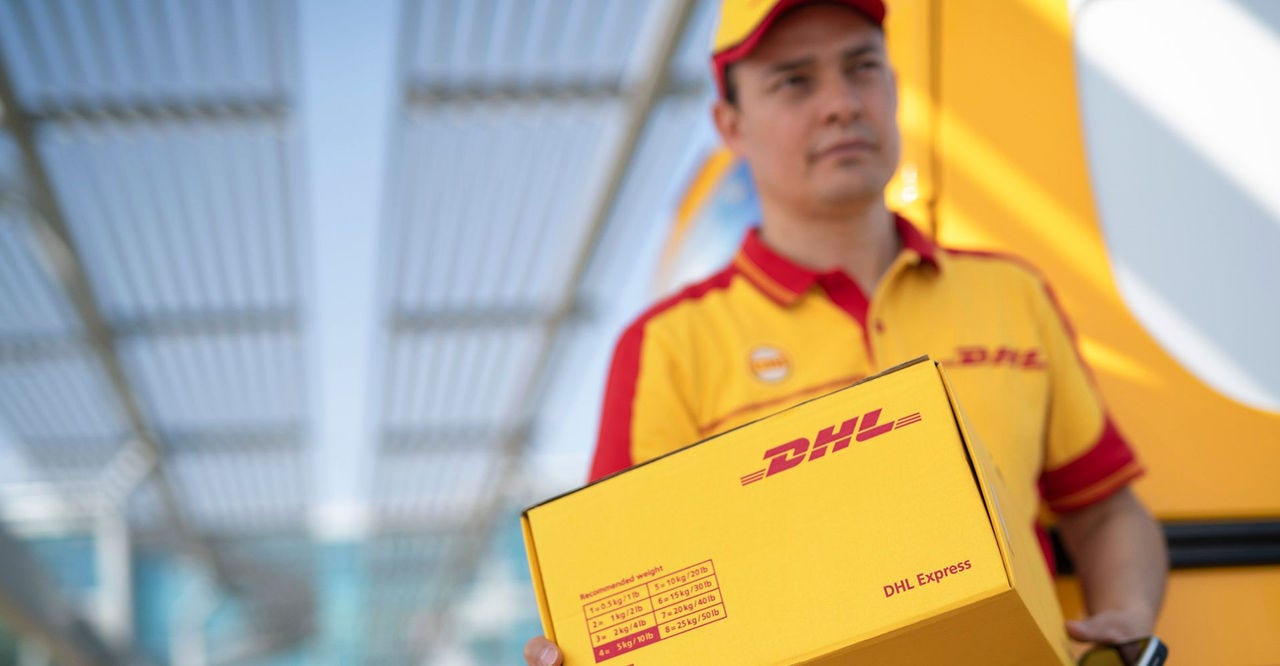
For fashion sellers, the large flyer usually pays off best, with a box once orders grow. DHL Express recommends single wall boxes up to 10 kg and double wall above that, and advises against reusing old boxes, which lose rigidity. Source: DHL Express, An Essential Packing Guide for Express Shipments.
Fold each piece to the size of the bottom of the packaging and put everything in a strong plastic bag before sealing. The DHL Express guide recommends exactly that for items that moisture or staining could damage.
A few habits that prevent complaints on arrival:
Rolling instead of folding works for T-shirts and knits, which take up less space and crease less. For dress shirts and tailoring, the traditional fold still wins.
Use the smallest packaging the clothes fit into without bulging. The DHL Express Terms and Conditions state that shipping charges are calculated on the greater of actual or volumetric weight per piece, and clothes are light for the space they take up.
In practice, a 600 g sweatshirt in a large box ends up charged on the size of the box, not on its 600 g. The exact calculation and the formula are in the guide to volumetric weight. An underfilled box also caves in when another one is stacked on top, and an overfilled one bursts at the seam. The sweet spot is clothes that fill the space without forcing the flaps.
Vacuum bags shrink duvets, winter coats and down items a lot. Just do not use them for leather, suede or structured pieces, which lose their shape.
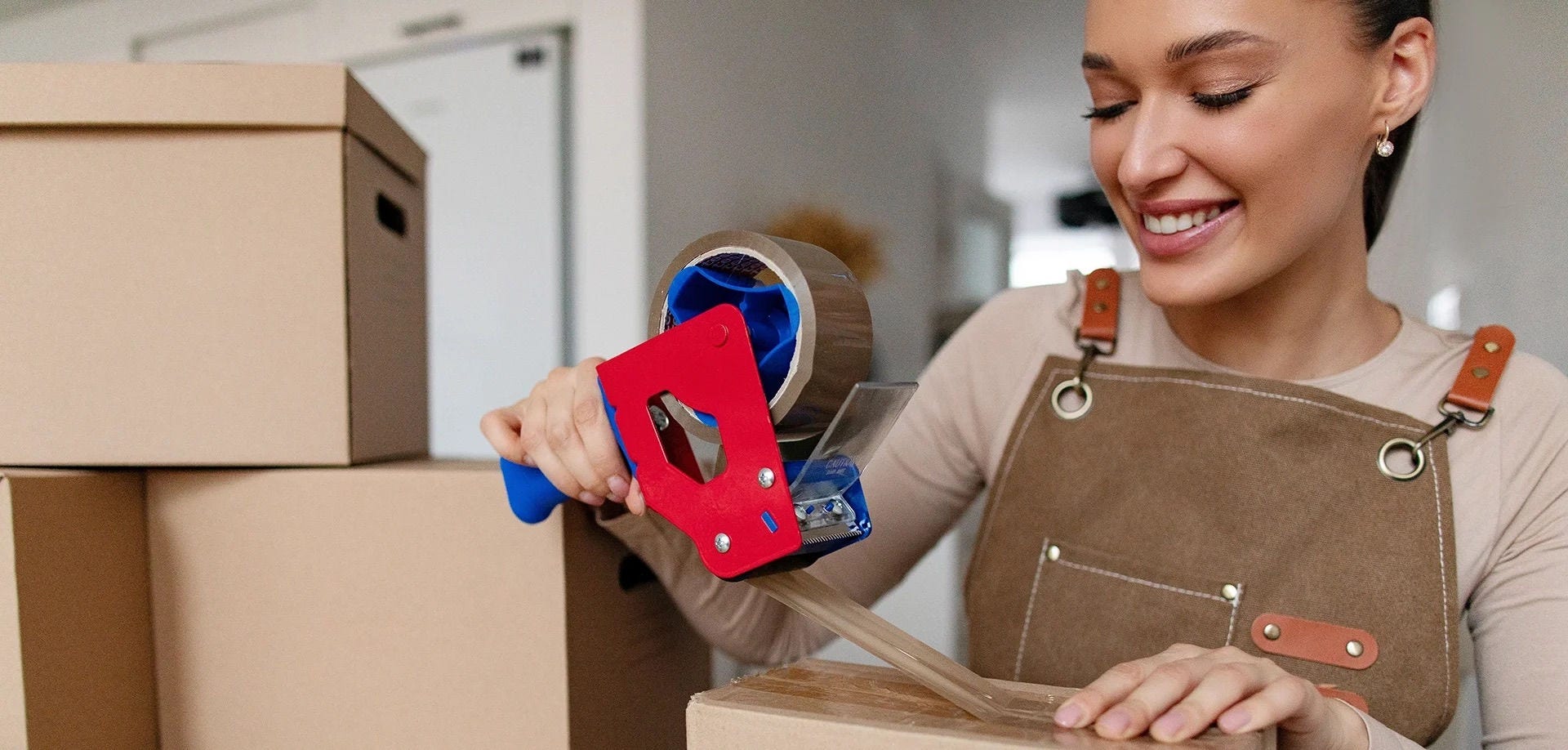
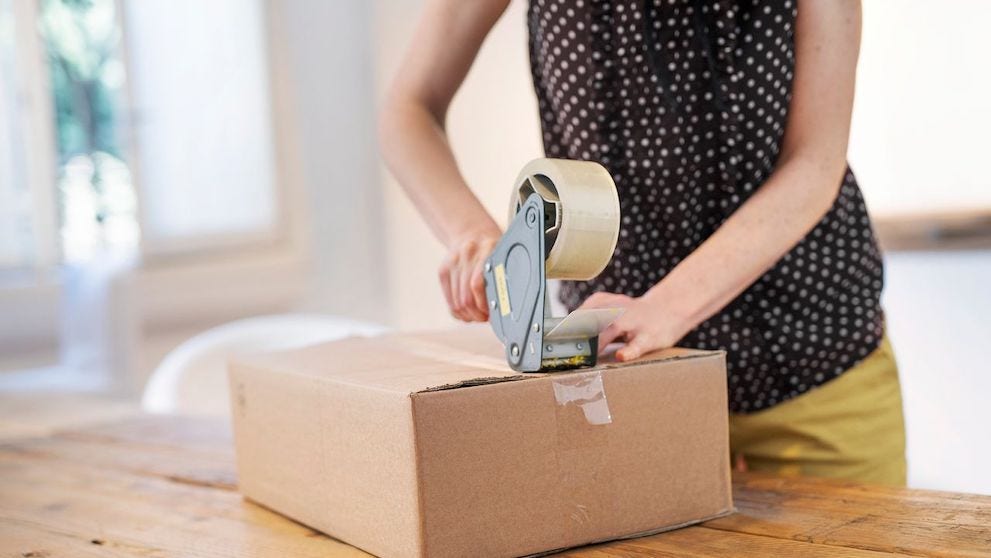
Seal the box with plastic tape at least 48 mm wide, using the H method: one strip along the centre seam and two across the edges, top and bottom. Masking tape is out too: DHL Express advises against masking tape, cellophane tape, kraft paper tape and string.
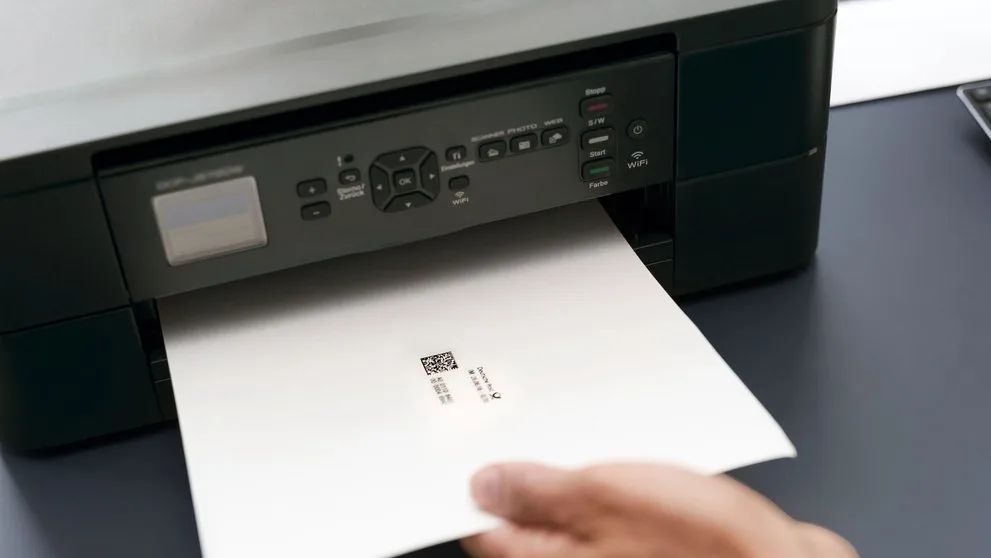
Stick the shipping label on top, fully on one face and not over a seam. Keep the second copy inside the parcel: if the outer label comes off, the team can identify the shipment from the copy. For clothes, a "keep dry" label helps, as long as it sits on a different face from the shipping label. The general rules for any box are in the guide on how to pack a parcel.
Clothes need a commercial invoice with a specific description: type of garment, whether it is knitted or woven, who it is for (men, women, children), fibre content, quantity and unit value. "Women's knitted T-shirt, 100% cotton" works. "Clothes" does not.
That detail matters because of classification. In the World Customs Organization's Harmonized System, knitted or crocheted apparel sits in chapter 61 and apparel that is not knitted or crocheted in chapter 62. The fibre decides the heading within each chapter, and the classification decides the duty at destination. Source: WCO, HS Nomenclature, 2022 edition.
The code goes on the invoice next to the description. The guide to understanding HS codes explains how to find yours, and the commercial invoice guide walks through every field.
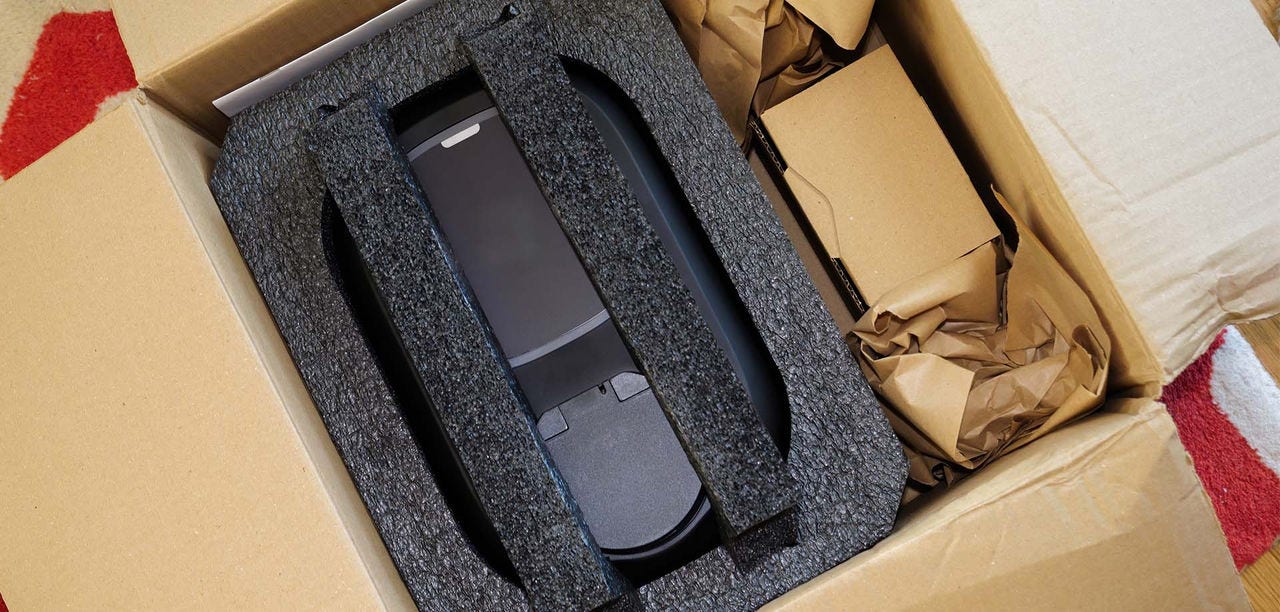
Valuable pieces go in a box, never in a flyer. Blazers, evening dresses and handbags get crumpled paper inside to hold their shape, and each piece is wrapped separately, as the DHL Express guide recommends for shipments with more than one item.
If the piece is worth more than the standard liability limit for carriage, buy Shipment Value Protection, which the DHL Express Terms and Conditions provide to cover the full value in case of loss or damage. If you sell fashion abroad, the guide to exporting from Brazil covers the rest of the operation.
The DHL Express guide advises against it, because used boxes lose rigidity. If you do reuse one, remove all old labels so the sorting team is not confused.
Yes. Every international shipment of goods travels with a description of the contents and a value, even when nothing was sold, and worn clothing has its own place in the Harmonized System, in chapter 63.
They can, but they add volume and can pierce a flyer. For express shipping, clothes folded without hangers cost less and arrive better protected.
Not without preparation. Perfume is a dangerous good because it is flammable, and it only travels with prior approval from DHL Express, so do not drop it into a regular order as a gift.
Packaging sized to the clothes, a bag against moisture, H-taping and an invoice with fibre content: with those four habits, the order arrives as it left, with no surprise volumetric weight charge.
If you sell clothes to customers abroad, open a DHL Express business account and quote, label and track every shipment in one place.
Share