Not in foreign trade. In Brazil the word is also used for urban document messengers, but an international courier is an express transport company authorised by Receita Federal to handle door-to-door air shipments.



 Share

A courier is an express transport company that collects a shipment at origin, flies it to the destination country, handles customs clearance and delivers it to the recipient's door, with tracking at every stage. In Brazil, an international courier needs authorisation from Receita Federal (Brazil's federal tax and customs authority) to handle express shipments.
When you need to send a sample to a client in Milan or receive a spare part from Germany, three routes appear: courier, freight carrier or postal shipping. They look alike. They are not, and the wrong choice shows up in transit time, cost and days your goods spend waiting.
For Receita Federal, an international express shipment is an international air consignment carried under express service conditions, with door-to-door delivery. The company providing that service is the courier, which must be authorised by Receita Federal to operate in bonded areas, under Normative Instruction RFB 1,737/2017. Source: Receita Federal, October 2026.
That definition explains what you are buying. The courier takes on the whole chain: pickup, flight, customs and delivery. You deal with one company, get a single tracking number and do not need to hire a freight forwarder, a customs broker and a local carrier separately for a 2 kg parcel.
In everyday Brazilian Portuguese, "courier" can also mean an urban messenger delivering documents by motorbike or bicycle. Here, the term has its customs meaning: international express transport.
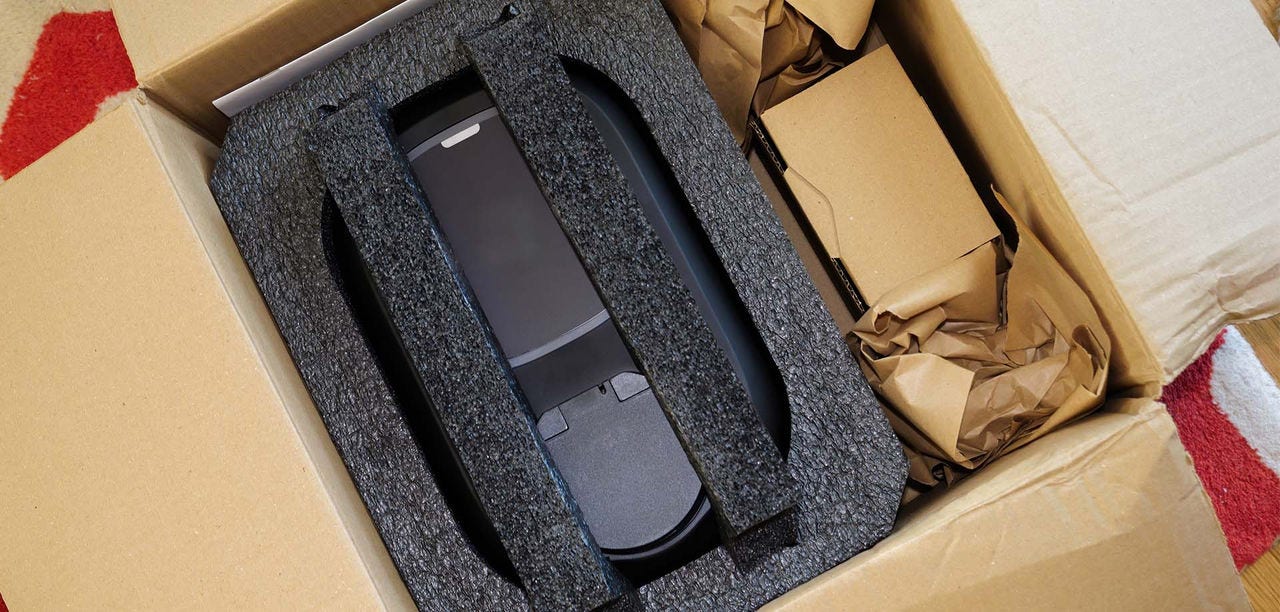
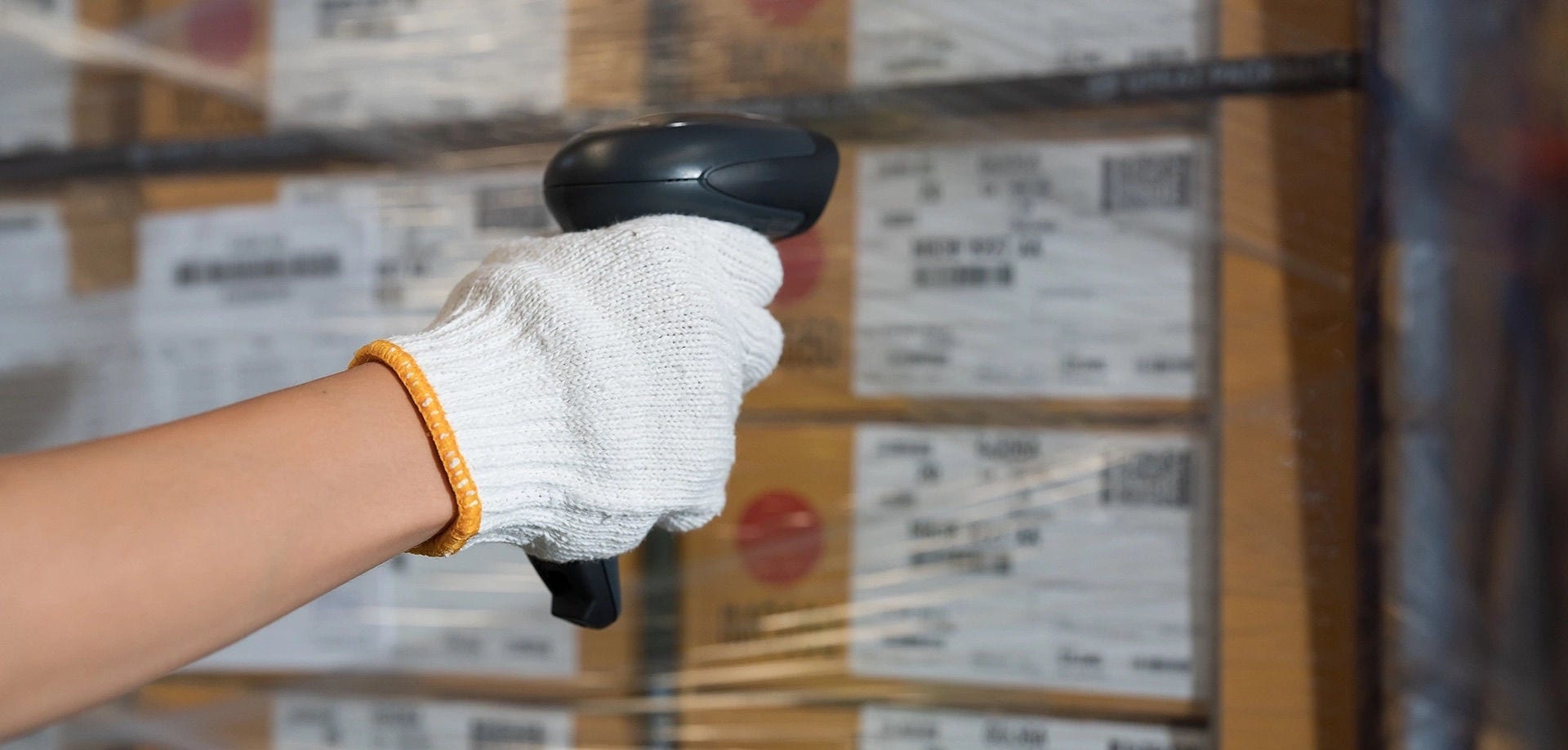
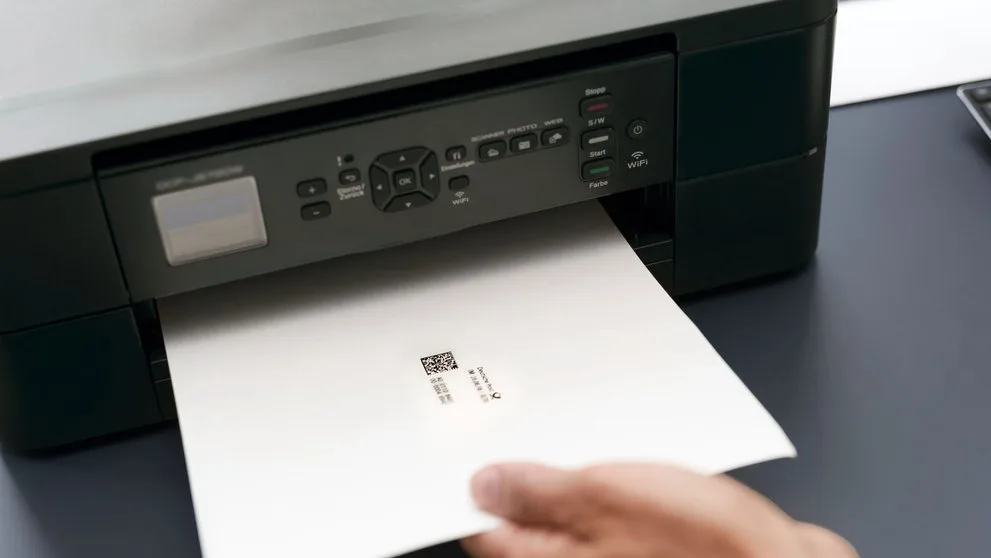
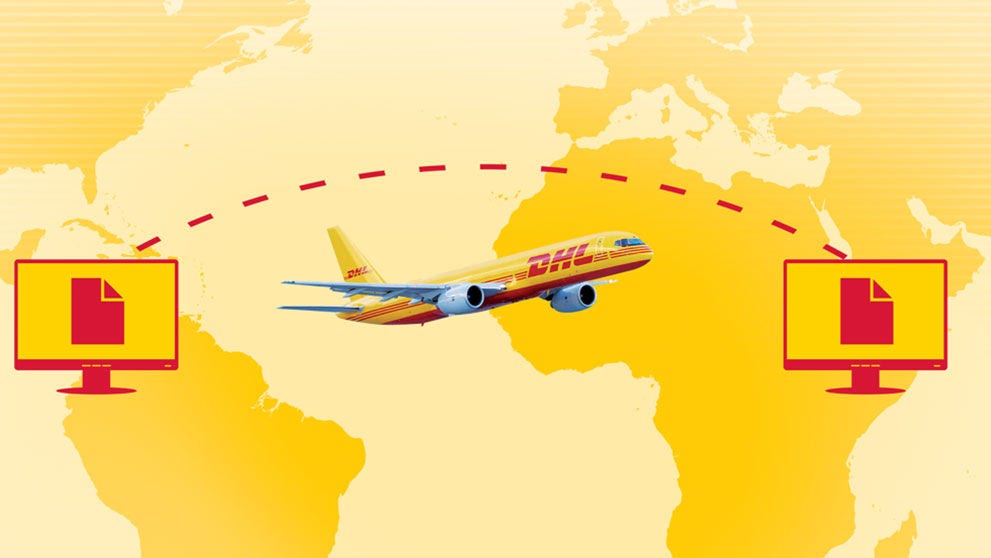
An express shipment follows the same logic whether it leaves Brazil or enters it:
The step that causes most delays is the fourth, and almost always because of the first. An invoice with a vague description ("parts", "sample") prompts questions from customs, and every question costs days.
If you are just starting out, the guide to the basics of international shipping covers packaging, documents and what changes between countries.
The difference lies in what each one carries, how far it goes and who handles customs. A freight carrier moves cargo, usually by road and within the country. A courier provides express door-to-door delivery, with an international focus and customs clearance included in the service. Postal shipping uses each country's public postal network, with handovers between operators at the border.
In Brazil, a freight carrier (transportadora) is the company hired by a seller or buyer to move goods from one point to another, and each trip is documented by an electronic bill of lading called CT-e (Conhecimento de Transporte Eletrônico). It is the natural choice for pallets, lots and regional distribution.
The table sums up the differences that weigh on the decision:
Criterion | Express courier | Freight carrier | Postal shipping |
Focus | Urgent shipments, domestic and international | Cargo, mostly domestic | Letters and retail parcels |
Main mode | Air | Road | Air or surface, depending on the service |
Who handles customs | The courier itself | Not applicable domestically; abroad, a separately hired broker | Each country's postal network |
Tracking | End to end, within one network | Per trip or per invoice | Varies by destination country |
Collection | At the sender's address | At the address, for larger volumes | Usually dropped at a counter |
None of the three wins at everything. What decides is urgency, the value of the goods and how much control you need over each stage.
It means the courier prepares and submits the customs declaration for the shipment and follows the inspection until release. You do not hire a broker for each parcel, and the goods pass through customs within the carrier's own flow.
Including clearance does not mean including duties. Import duty and other charges are levied by the destination country's government, and someone has to pay them: the recipient on delivery, or the sender when the sale is made with duties paid.
For imports into Brazil, express shipments can be taxed under a dedicated regime, explained in the guide to courier imports and RTS in Brazil. No carrier can guarantee release: that decision always belongs to customs.
It makes sense when time standing still costs more than freight. The classic case is a machine stopped while waiting for a R$ 1,500 part: the part is cheap compared with a full day of lost production.
The most common uses are:
Express is not limited to envelopes. DHL Express serves more than 220 countries and territories and, through its Heavy Weight service, carries shipments from 50 kg to 3,000 kg. Source: DHL Express Brazil, October 2026. The guide to heavy weight express shipping from Brazil shows when that route pays off.
When the recipient needs the shipment by a specific time, there is also time definite delivery. For large, regular lots with no urgency, consolidated air cargo or ocean freight is usually cheaper.
Express freight is the price of priority door-to-door transport. It is calculated from the chargeable weight, the destination and the service level you choose.
Chargeable weight is the greater of actual weight and volumetric weight, which reflects the space the package takes up on the aircraft. A large box with a cushion inside pays for its size, not its weight. The destination comes in through the rate zone, and the service level through timing: delivery by end of business day costs less than delivery by a set time.
That is why the cheapest way to save on express freight is packaging. A box that fits the product reduces volumetric weight without reducing protection.
Companies and individuals can export by courier, issuing the required tax documents and the commercial invoice. Choosing between exporting as an express shipment or through formal clearance depends on value, volume and purpose, and the step-by-step is in the guide to courier or formal export from Brazil.
Not in foreign trade. In Brazil the word is also used for urban document messengers, but an international courier is an express transport company authorised by Receita Federal to handle door-to-door air shipments.
Use the waybill number shown on the label and the shipping receipt. Tracking on the carrier's website shows every stage, from pickup to delivery, including customs.
It depends on the destination, the service booked and the customs inspection. The quote shows the estimated transit time for the route, but no carrier can guarantee how long customs release will take.
Yes. Individuals send documents, gifts and samples by courier, as long as they describe the contents and value correctly and respect the destination's list of prohibited or restricted items.
If your shipment cannot wait, an express courier brings pickup, flight, customs and delivery together in one booking. The first step is an account that lets you quote and create labels without queuing at a counter.
To quote, create labels and track every shipment in one place, open a DHL Express business account.
Share