#LogisticsAdvice

Customs broker in Brazil: what a despachante aduaneiro does and when to hire one

Leendert van Delft
Leendert van Delft
Vice-President Global Sales Programs, (Digital) Marketing and Global E-commerce
7 min read
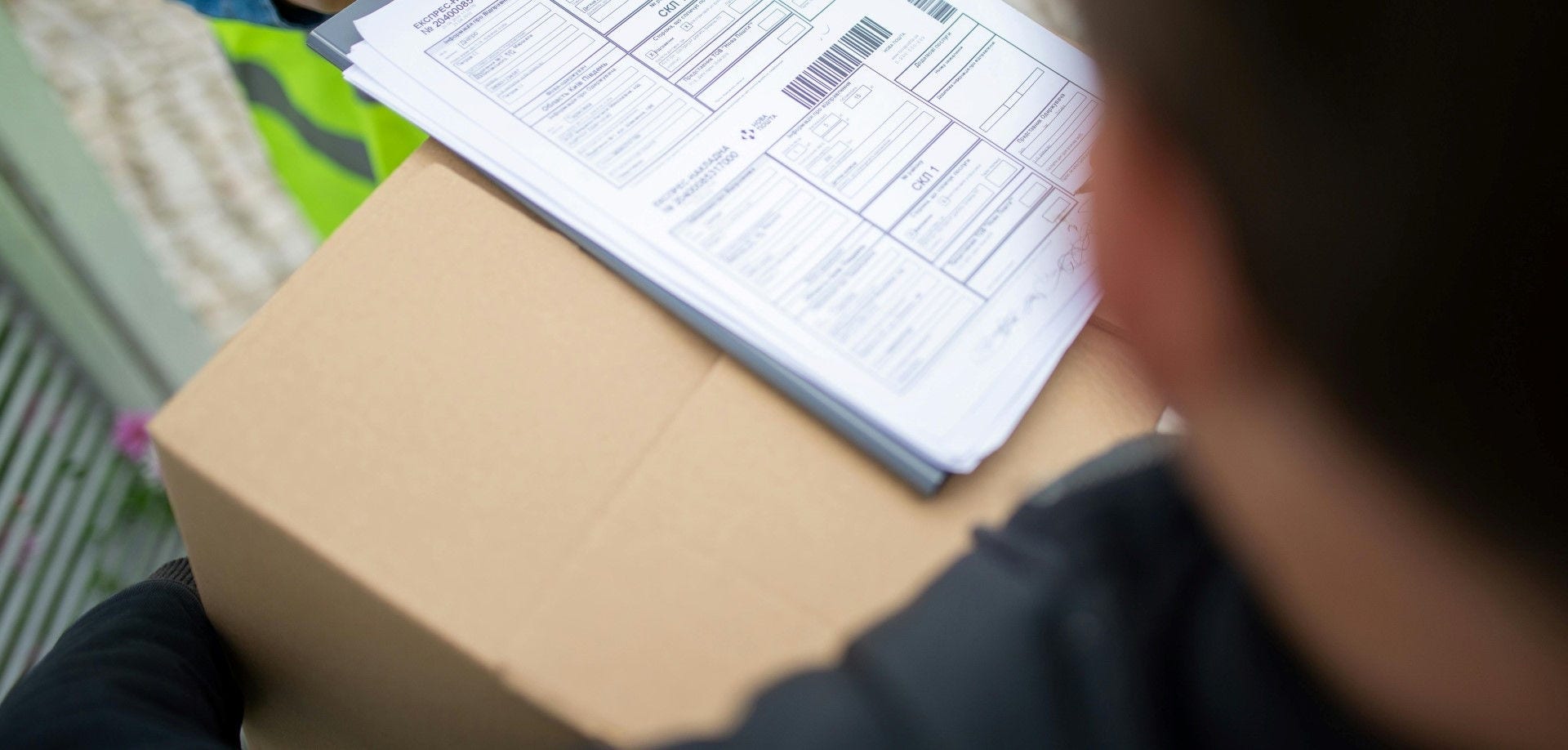
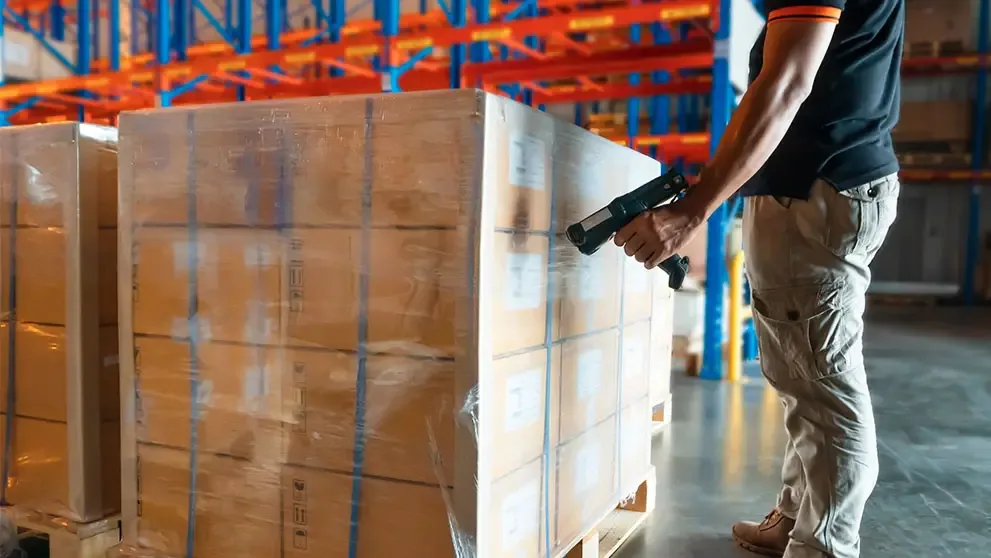
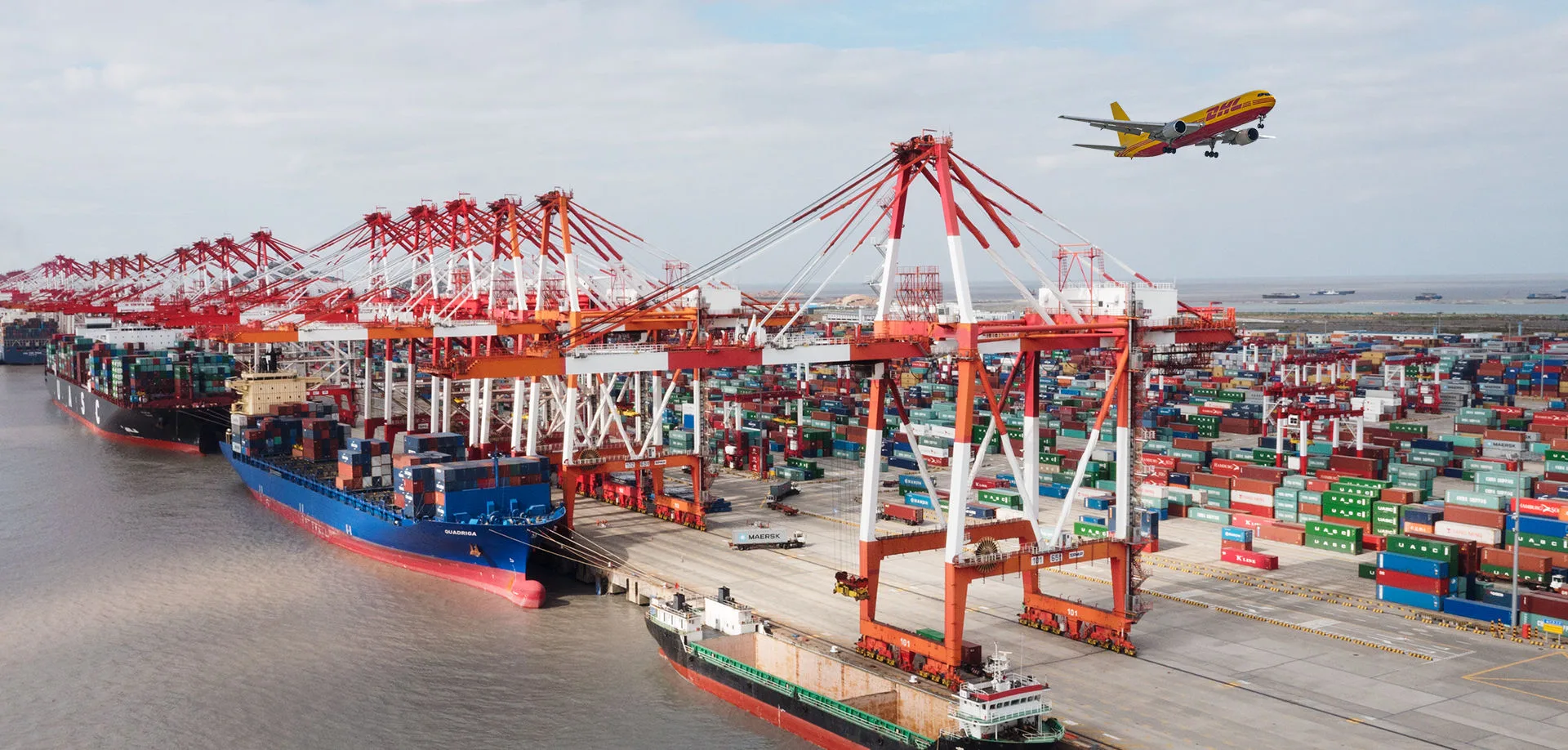
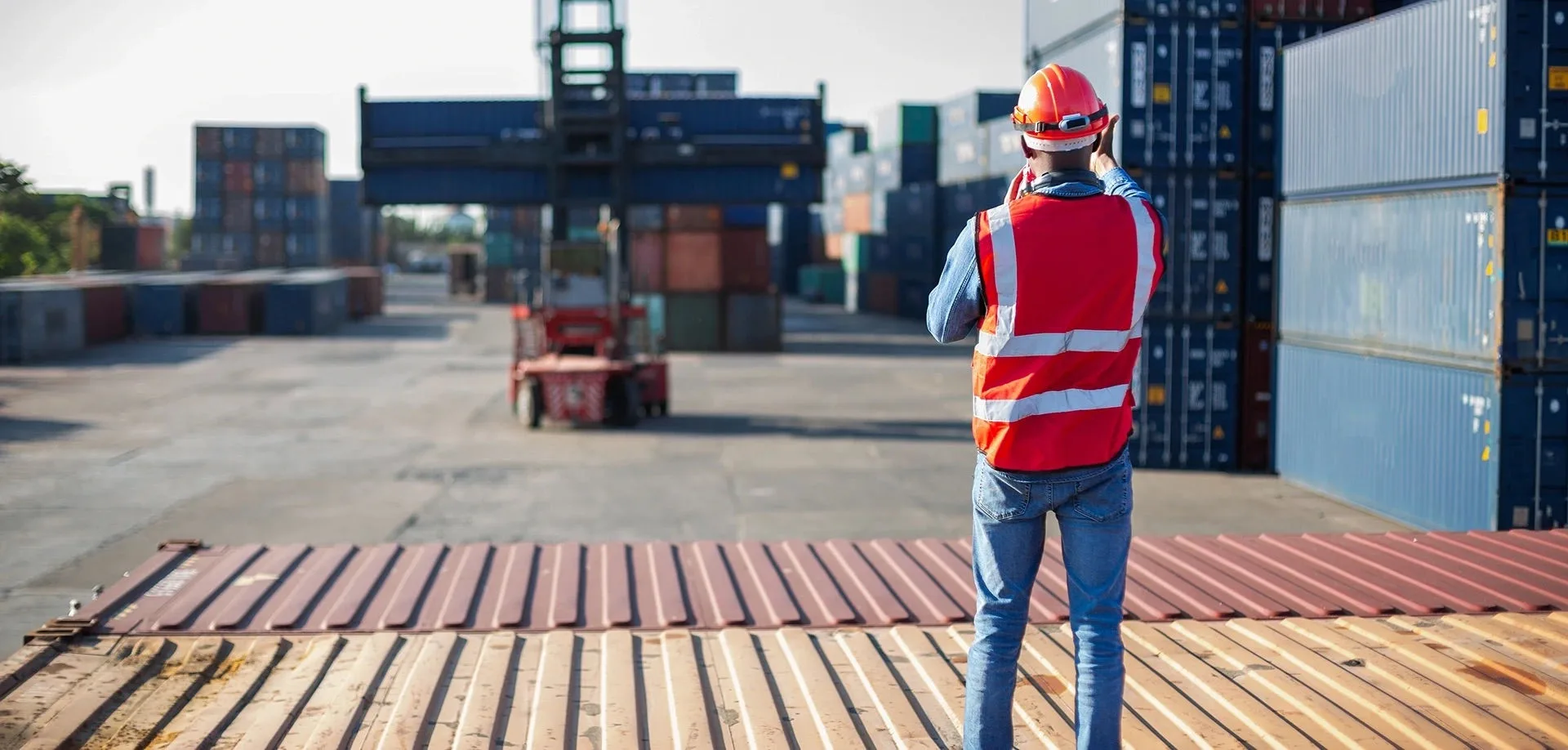
Customs broker reviews import documents at a cargo terminal in Brazil with containers in the background
In this article
Brokers are individuals listed in Receita Federal's register
Companies may use a director or employee instead of a broker
Representation is set up on Portal Único with an end date
On express shipments, the courier clears imports

A customs broker in Brazil (despachante aduaneiro) is a professional registered with the Federal Revenue Service (Receita Federal) who represents importers and exporters in customs clearance: preparing and filing declarations, attending inspections, answering officers' queries and collecting released goods. Hiring one is not mandatory, but on formal shipments it usually saves time and fines.

The question tends to come up at the same moment: the first shipment already has a sailing or flight date and nobody in the company knows what a customs query looks like. This guide covers what Brazilian law allows a broker to do, how to grant them powers in Siscomex, what to check in a quote and when the courier already handles clearance for you.

What does a customs broker do in Brazil?

The broker handles everything between the arrival of the goods and their release, or between the invoice and loading, on exports. Article 808 of Brazil's Customs Regulation (Decree No. 6,759/2009) lists the clearance activities a representative may carry out:

  • preparing, filing and following up clearance documents;
  • signing declarations and clearance-related terms;
  • receiving summonses, notices and infringement reports;
  • attending the physical inspection, including the taking of samples for expert analysis;
  • collecting the cleared goods.

In daily practice, a customs broker starts work before the goods arrive. They check the NCM classification, see whether the product needs a licence, prepare the Duimp or DI import declaration and calculate the taxes. When an officer raises a query, the broker answers it and files the documents.

That answer decides whether the cargo sits in the warehouse for one day or two weeks.

Who can work as a customs broker in Brazil?

Only an individual listed in Receita Federal's Register of Customs Brokers. To join it, article 810 of the Customs Regulation requires at least two years registered as a broker's assistant, Brazilian nationality, legal adulthood, secondary education, no final conviction to a prison sentence and a pass in the technical qualification exam run by Receita Federal. Source: Decree No. 6,759/2009, article 810, text in force on the Planalto legislation portal in October 2026.

A customs broker is always a person, even when you hire a whole firm. Ask which professional will sign your files and get their CPF (the Brazilian individual taxpayer number) for the registration.

Is a company required to hire a customs broker?

No. Under article 809 of the Customs Regulation, a company can be represented by a director or by an employee with an exclusive employment relationship, holding full powers of attorney. Individuals can act on their own behalf.

What counts is the cost of learning by mistake. A company importing twice a year rarely justifies an in-house person who masters the Duimp, administrative treatment and query responses, so the broker costs less than the error. A company importing every week, always the same product, may build its own team.

Filing the declaration itself is explained in the guide to Siscomex imports, and the path of a first purchase abroad in the guide to importing into Brazil.

How do you grant a broker powers in Siscomex?

The company sets up the representation itself on Portal Único Siscomex, once it is registered under Radar Siscomex, the customs registration for importers. According to Receita Federal's manual, the path has four steps:

  1. The company's legal representative logs in to Portal Único with an ICP-Brasil digital certificate or a silver or gold level gov.br account.
  2. In the Intervening Parties Register (Cadastro de Intervenientes), they choose "Representação por Despachante" and click "Incluir".
  3. They enter the company's CNPJ (corporate taxpayer number), the type of role (importer or exporter), the broker's CPF and the end date of the representation.
  4. They confirm. The broker must have a regular CPF and an active record in the customs register of intervening parties.

The end date is the detail that most often stalls operations. An expired representation cuts the broker's access in the middle of a file, and nobody notices until the Duimp stops. Put the expiry date in the same calendar as the digital certificate.

Representation by a broker has one more advantage: it lets you appoint them as manager of the Product Catalogue, the register the Duimp uses to describe each item.

How much does a customs broker cost in Brazil?

There is no official fee schedule. The Customs Regulation states that brokers agree their fees freely (article 810, paragraph 2), so the price comes from negotiation. What you can control is what goes into the quote, and the table helps compare proposals:

Quote item

Who sets the amount

What to check

Clearance fees

Broker, by contract

Whether charged per file, per declaration line or monthly

Import taxes

Legislation

Whether the broker only calculates or also advances payment

Storage

Terminal or bonded facility

Whether the estimate is in the quote or billed separately

Extra services

Broker

Import licence, amendments, support during expert inspection

Ask for a written proposal built on a sample file, using one of your real shipments. A generic proposal hides the cost of exceptions, and exceptions are where clearance gets expensive.

When does the courier handle clearance for you?

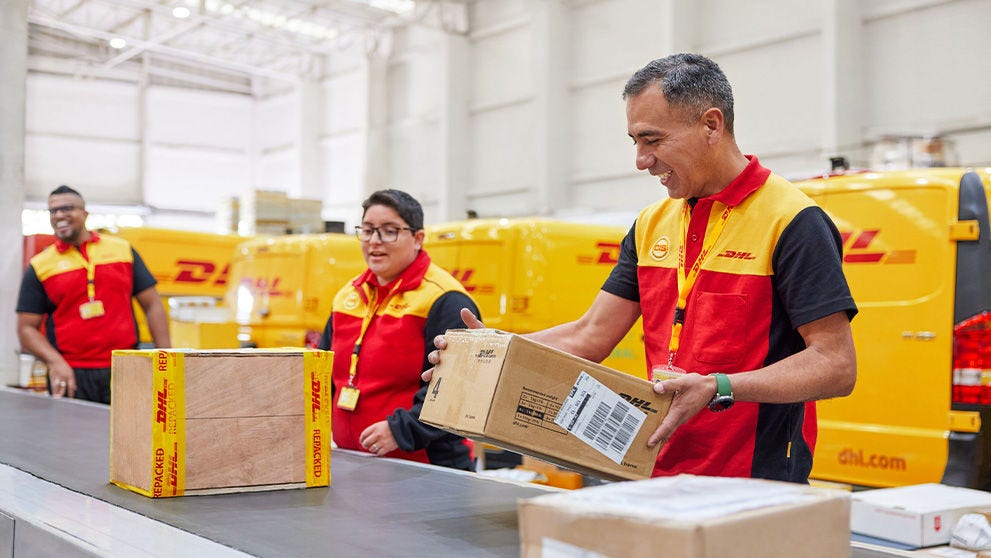
For express shipments, import clearance is carried out by the courier company, not by the recipient. That is set by Normative Instruction RFB No. 1,737/2017, and Coana Ordinance No. 81/2017 allows the courier to accredit its own employees or customs brokers as representatives.

If you receive samples, spare parts or smaller orders, there is no broker to hire: the courier files the declaration and calculates the taxes. Value bands and taxation are in the guide to courier imports and the RTS, and what can hold a shipment is covered in customs clearance and restrictions.

How do you choose a good customs broker?

By experience with your product, not by city. Looking for a broker in Santos, Manaus or Foz do Iguaçu makes sense when the cargo enters there, but quality depends on knowing the regulatory agency and the NCM you import. Before signing, ask:

  • how many files with the same NCM or the same regulatory agency they handled last year;
  • who answers queries when the lead broker is away;
  • how they report progress: email, their own system or phone;
  • whether the contract says what happens when the error is theirs.

A vague answer to the third question? That is a faithful preview of your first customs query.

Frequently asked questions about customs brokers in Brazil

No. A freight forwarder (agente de carga) hires transport on behalf of the importer or exporter and consolidates or deconsolidates cargo, as defined in article 31 of the Customs Regulation, while the customs broker handles clearance before Receita Federal. On formal cargo it is common to have both on the same shipment.

The broker is an agent of the importer or exporter, who remains liable for the taxes and the information declared. Under article 808 of the Customs Regulation, a broker can only sign a guarantee for a tax obligation if the power of attorney includes a specific clause for it.

No. Individuals can act on their own behalf in clearance, and for express shipments the courier company handles clearance. A broker comes in when the operation is formal and the importer prefers to delegate.

You can, but the switch means adding the new representation on Portal Único and handing the full file history to the new professional. Doing it with an open query usually delays release, so the best moment is between shipments.

Clear customs with specialists from the first shipment

Hiring a broker is a matter of volume and complexity: formal cargo, licensed goods or regular flows call for a dedicated professional. Samples and smaller orders move more simply as express shipments, with clearance included in the service.

If your company wants to import and export with clearance handled by people who do it every day, open a DHL Express business account.