Yes. Romaneio de carga is the term used in Brazilian legislation, and packing list is the English term used across international trade. Both describe how the goods were packed, package by package.



 Share

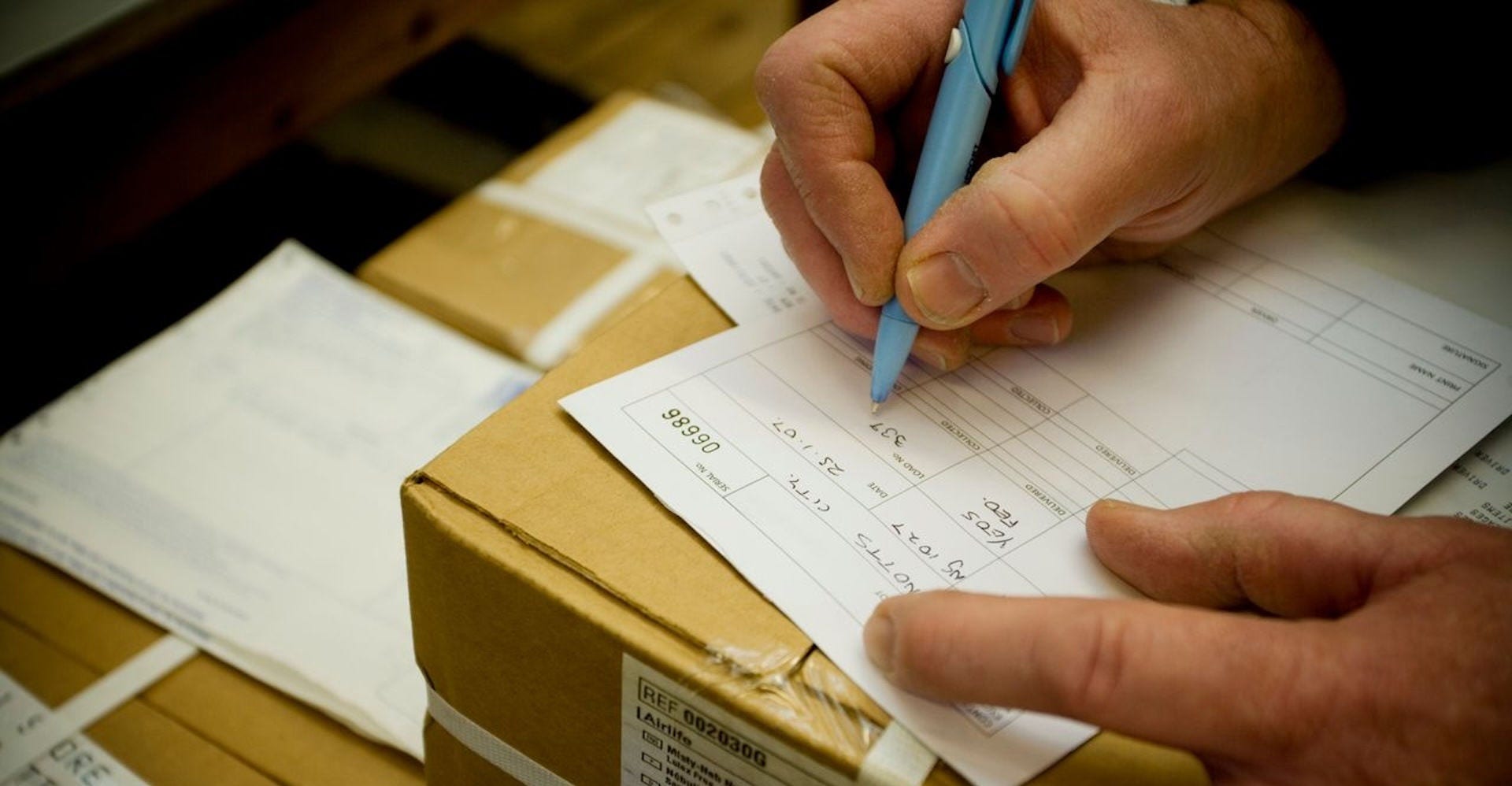
A packing list for Brazil is the document that shows how the goods were packed, package by package: quantity, marks, numbering, weights and dimensions. It carries no prices. Brazilian customs and the carrier use it to locate each item inside the shipment and check that what arrived matches what was declared.
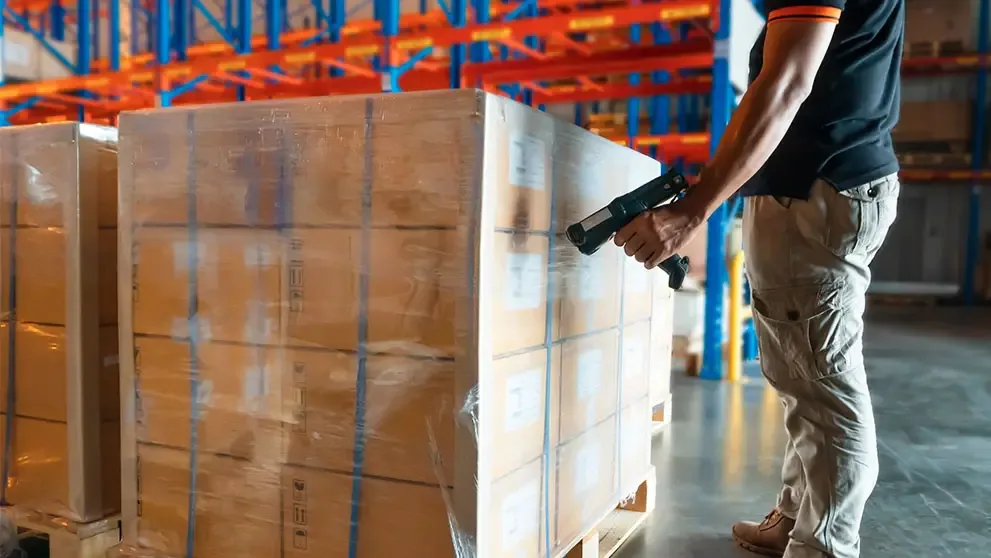
It looks like minor paperwork, and that is exactly the risk. When a shipment into Brazil is selected for physical inspection, the customs officer opens the boxes with the packing list in hand. If box 7 should hold 40 bearings and holds 38, the explanation will cost days, not minutes.
The packing list is the packing record of the shipment. Brazilian law calls it "romaneio de carga". The commercial invoice says what was sold and for how much; the packing list says where each item is and how it was packed.
In practice, three parties read the same document for different reasons:
A good packing list reduces questions. A poor one triggers a customs query, and a customs query means cargo sitting at the terminal while someone looks for the answer.
It is mandatory whenever issuing one is standard practice for that type of cargo. The import declaration must be supported by the packing list "when applicable", and failing to present it in those cases carries a fine of R$ 500. Source: Receita Federal, based on the Customs Regulation (Decree 6,759/2009, articles 553 and 728) and Normative Instruction SRF 680/2006, article 18.
The same Receita guidance lists the exceptions: bulk cargo and goods that identify themselves, such as a vehicle by its chassis number or a large machine by its serial number. A box with dozens of different items is not one of them. If you import parts, electronics or clothing in cartons, treat the packing list as required.
The document is filed with the invoice and the bill of lading, uploaded digitally to the Portal Único (Brazil's single foreign trade portal). For the full set of papers in an operation, the guide to import and export documents covers each one.
There is no official template, and the Receita says so plainly. What it describes as usual content is the minimum you should cover:
Add what ties the document to the rest of the file: name and address of exporter and importer, number and date of the matching commercial invoice, and the same goods description used on that invoice.
One rule in the Customs Regulation (article 558) catches people who pack in a hurry: packages under the same invoice carry a single mark and a sequence of numbers with no repeats. Two boxes marked "No. 3" in the same shipment are an invitation to inspect.
The difference lies in the question each document answers. The invoice answers "what was sold, to whom and for how much". The packing list answers "how was it packed and where is each item". The table sums up what each one carries:
Point | Packing list | Commercial invoice |
Main purpose | Identify and locate packages | Prove the sale and its value |
Shows prices? | No | Yes, unit and total |
Basis for duties and taxes | No | Yes, with freight and insurance |
Weights and dimensions | Per package and in total | Gross and net weight |
Requirement for Brazil imports | When applicable | Always, with the 14 items of article 557 |
Both must tell the same story. Total gross weight, number of packages and description have to match on both documents and on the bill of lading. The commercial invoice guide shows how to fill in the other half of that pair.
Fill it in after the boxes are closed, never before. A list built from the purchase order describes what you meant to send; a list built at the packing bench describes what was actually sent.
The measurements in step 4 also feed the freight calculation. If you have never run that number, the guide to volumetric weight explains why a light, bulky box can cost more than a heavy, compact one.
Because it is the inspector's map. When a declaration is routed to the red channel, the physical check compares goods, quantity and packaging against the documents, and the packing list tells the officer which box to open. The guide to customs channels in Brazil explains when that happens.
With a clear packing list, the officer opens box 4, finds the 40 bearings described and moves on. Without one, or with confusing numbering, the search turns into a stock count, and storage time runs at your expense.
Mismatches in quantity or weight open another conversation. The Customs Regulation sets a fine for an invoice that misses the mandatory details (article 715), and a shortfall in weight against the bill of lading can raise suspicion of missing goods. A consistent packing list stops a typo from turning into a case file.
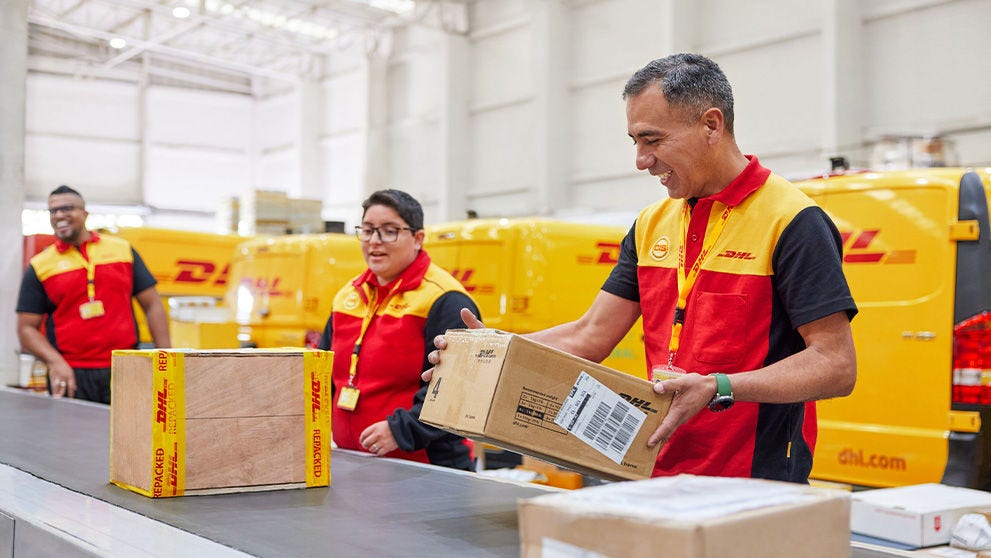
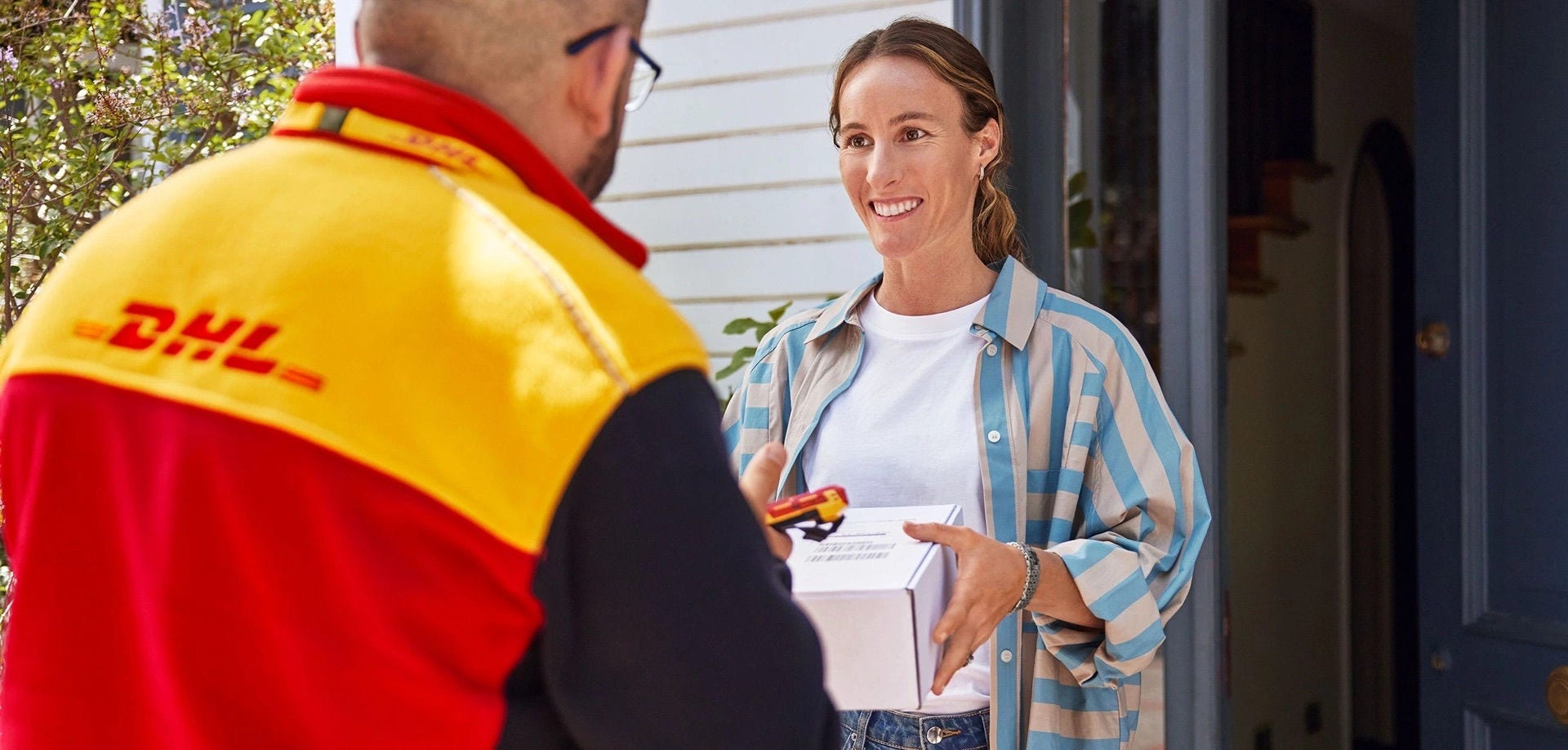
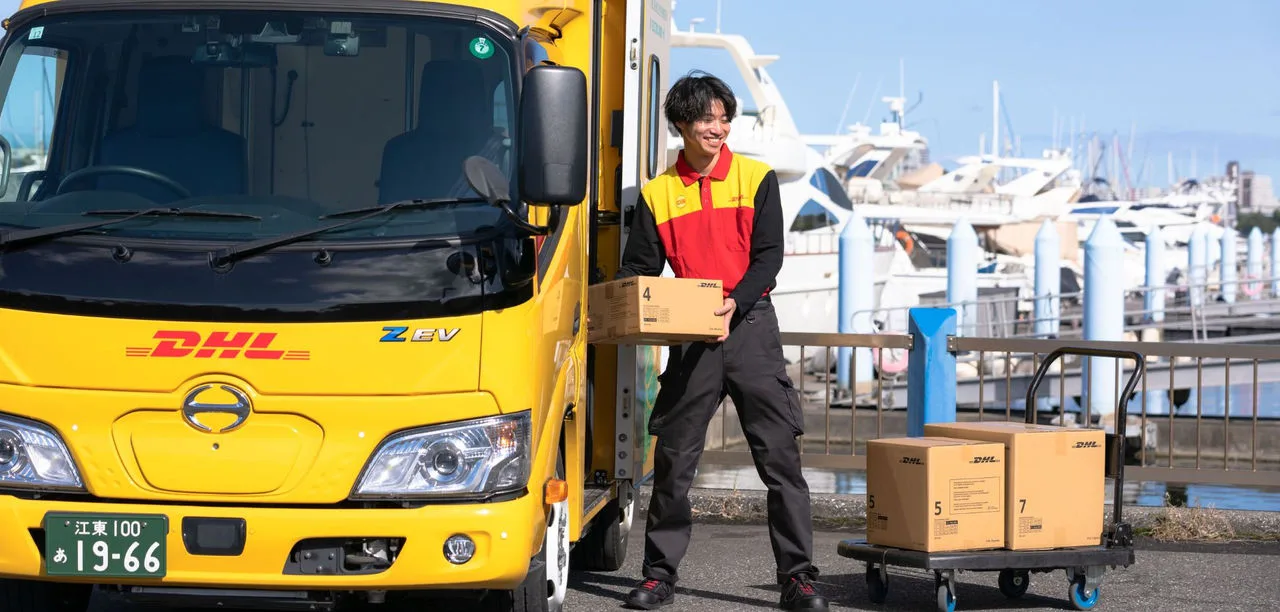
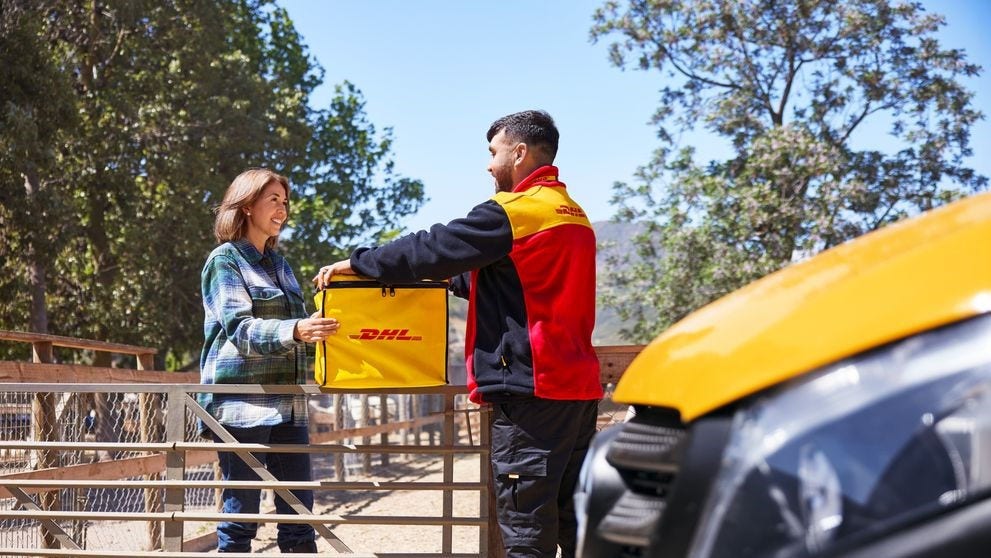
For express shipments with more than one box, the logic is the same, with less paper. Under DHL Express guidance, each box is labelled "1 of 3", "2 of 3", "3 of 3", and MyDHL+ generates the commercial invoice when you book. Source: DHL Express shipment preparation guides.
For a parcel holding ten or twenty different item types, attaching a packing list to the invoice still helps whoever clears it at destination. Each package described saves one question from customs on the other side, and a question answered by email across time zones can cost a full day.
Yes. Romaneio de carga is the term used in Brazilian legislation, and packing list is the English term used across international trade. Both describe how the goods were packed, package by package.
Usually the exporter, who packs the goods and knows what went into each package. When importing into Brazil, the Brazilian importer should ask the supplier for the document before shipment and check it against the invoice.
It should not. Prices and terms of sale belong on the commercial invoice. Repeating values on the packing list only creates one more place where the numbers can disagree.
When issuing one is standard practice for that cargo, its absence carries the R$ 500 fine set in the Customs Regulation and slows down the inspection. For bulk cargo or goods identified by chassis or serial number, the Receita Federal does not require it.
A well-made packing list is the kind of detail nobody praises and everybody notices when it is missing. Close the boxes, number, weigh, measure, and only then write. If you ship to or from Brazil regularly, it pays to have a process that produces invoices and labels without rework: open a DHL Express business account and prepare your international shipments with the paperwork in the same flow.
Share