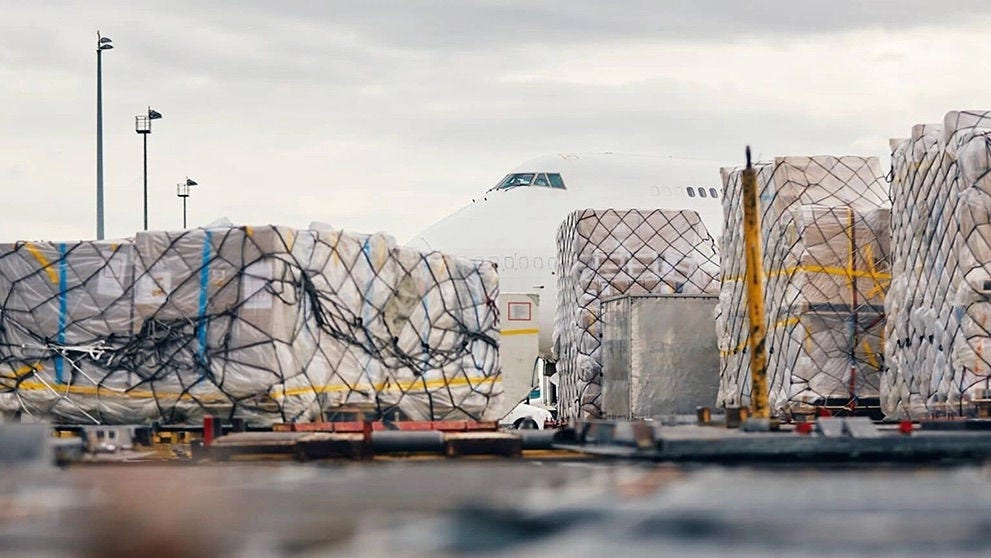
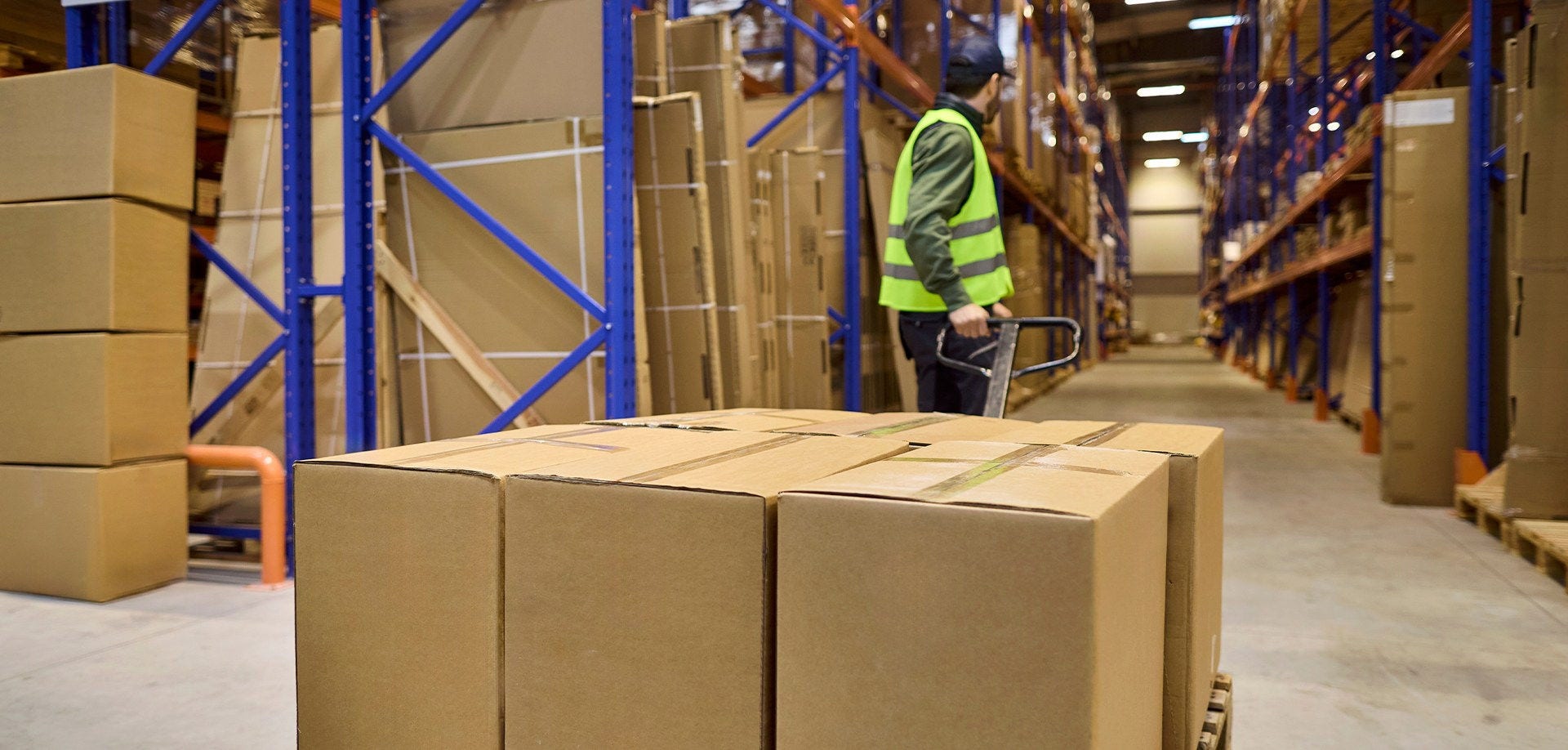
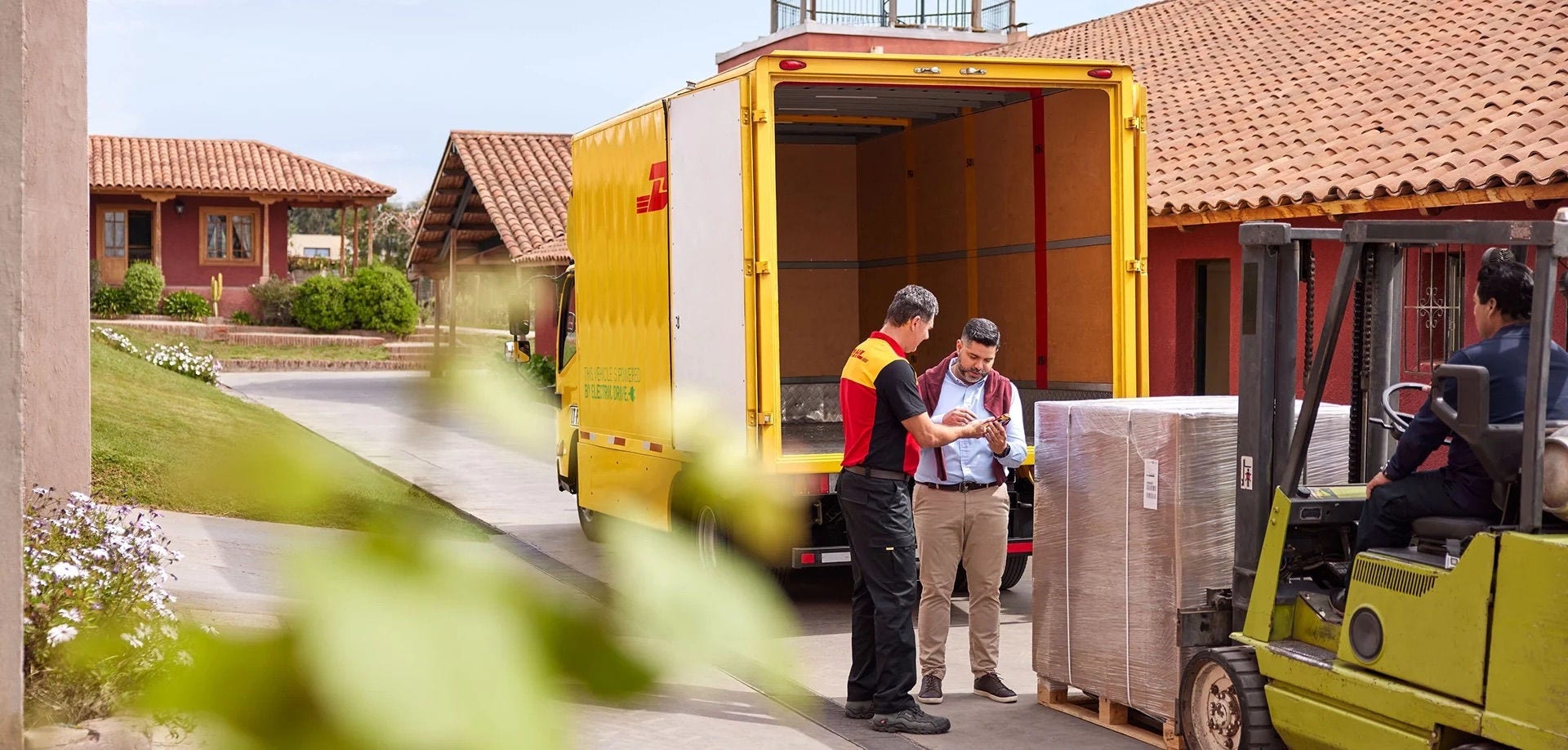
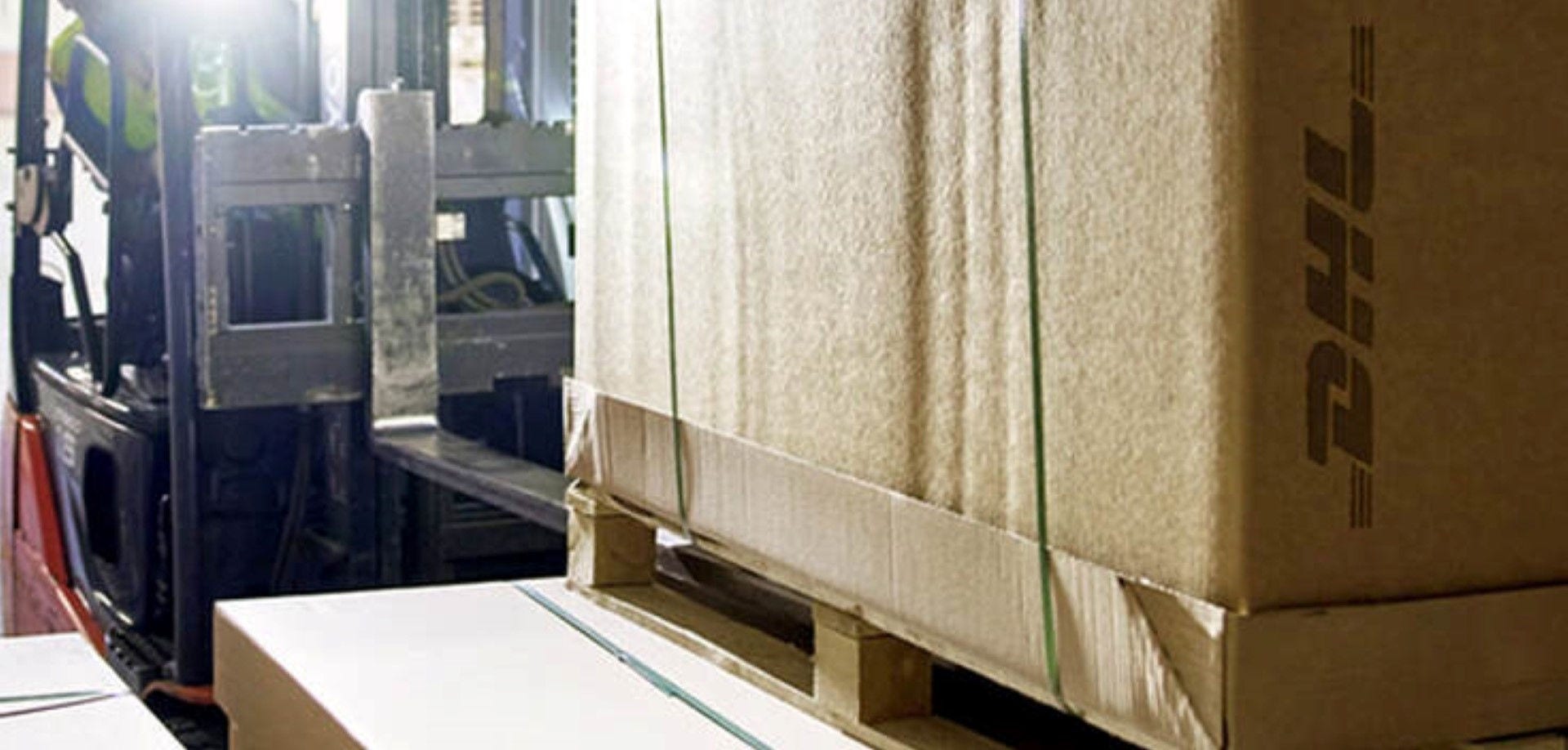
Transshipment only moves cargo from one vehicle to another, as it came. At a cross dock, lots are broken down, sorted by destination and recombined with goods from other suppliers before they leave.

Cross docking is an operation where goods arrive at one dock, are checked, sorted by destination and leave through another dock without ever reaching a shelf. Products spend hours in the building, not weeks. For distribution in Brazil, that means less idle stock, less handling and faster delivery to stores, customers or branches.
If your warehouse is full of boxes that are only waiting for the next truck, you are paying rent, insurance and staff to store something that already has an owner. That waiting cost is what cross docking attacks. It charges a price in return, though: tight timing between whoever delivers and whoever collects.
The name describes the movement. Cargo comes in at the receiving dock, crosses the building and goes out at the shipping dock, already combined with other loads for the same destination. In Brazil you will also see it written as one word, crossdocking, with the same meaning.
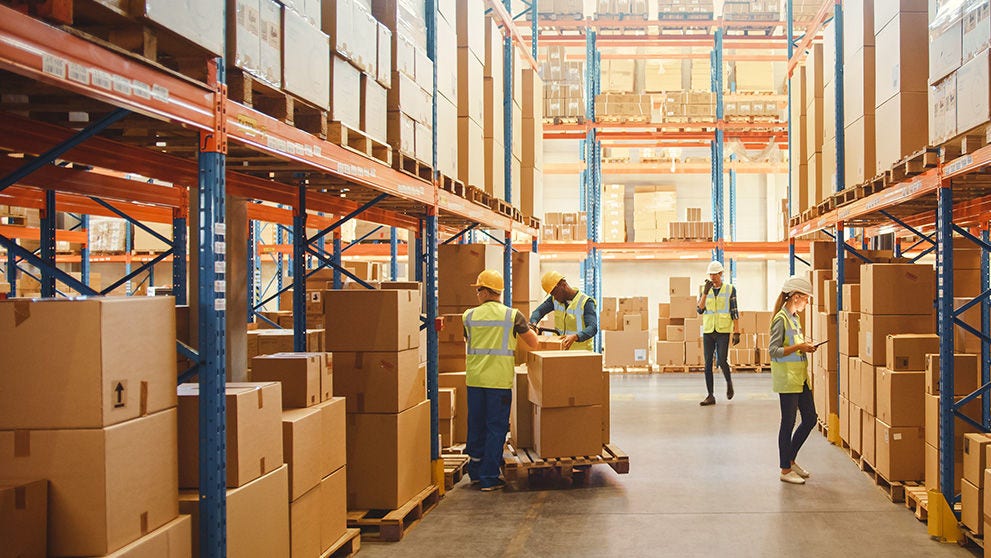
The difference from a regular warehouse lies in time and location. In a traditional warehouse, the product gets a storage slot and waits for an order. With cross docking, the order already exists when the goods arrive, and the floor works as a sorting room, not a store.
The concept belongs to distribution logistics. If you want to see where it fits among the wider set of activities, the guide to what logistics is helps build the map.
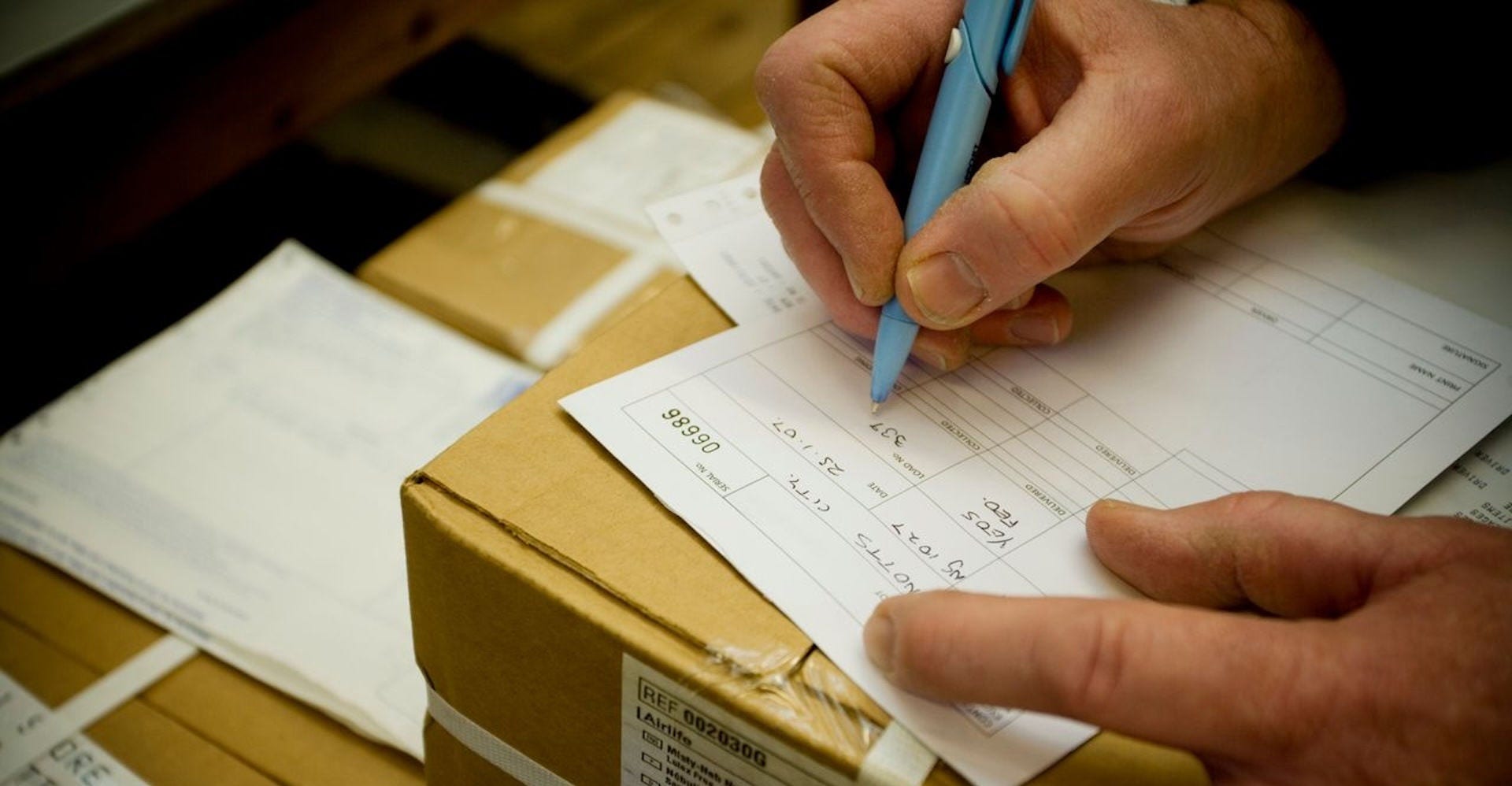
It runs in five stages, and every one of them depends on information that arrives before the cargo. Without notice of how much is coming, for whom and when, the dock turns into an improvised warehouse.
Step 3 decides the margin. Any mismatch between the notice and the physical cargo forces the team to store the package until someone sorts it out, and the product ends up in the very inventory you wanted to avoid.
The types differ in who sorts by destination: the supplier before shipping, or the operator inside the building. The table summarises the three most used formats and where each one performs best.
Type | Who sorts by destination | Works best when | Example |
Direct (pre-distribution) | The supplier, who ships packages already labelled per store | A store network with orders closed before dispatch | Apparel maker sending boxes already marked for 40 stores |
Indirect (post-distribution) | The operator, who breaks the lot and builds orders at the dock | Large cargo arriving as a single lot that must be split | Import arriving on pallets and divided per customer |
Opportunistic | The operator, when an order comes in for an item that just arrived | Sites running storage and cross docking side by side | Spare part received and shipped against an urgent order |
Direct cross docking asks more of the supplier and less of the building. Indirect is the reverse, and it is the most common format when goods come from abroad in a single lot.
It cuts inventory by removing the store-then-retrieve step. A stored product is moved at least four times: receiving, put-away, picking and dispatch. Across the dock, two moves remain: receiving and dispatch. Half the work disappears.
Picture a retail chain receiving 1,200 boxes of footwear a week, split across 40 stores. In the traditional model, the boxes go into storage slots and leave days later as each store orders. Across the dock, the 1,200 boxes arrive, are split into 40 loads of 30 boxes and leave the same day. The space they would have taken all week stays free.
The gain shows up in three cost lines:
There is a less visible gain too: freshness. Fast-moving products, such as food, cosmetics with short shelf life or fashion collections, reach the store with more life left.
It needs advance information, a labelling standard and discipline on timing. The building itself can be simple; what cannot fail is the schedule.
The requirements that weigh most in practice:
If two of these items are weak, start with direct cross docking, where the supplier already delivers sorted. It lets you test the operation without heavy sorting on site.
It does. Customs comes first, though. Goods from abroad can only leave the bonded area (recinto alfandegado, the customs-controlled terminal) after clearance. Cross docking starts from there, when the released cargo reaches the importer's or logistics provider's building. Source: Receita Federal (Brazil's tax and customs authority), Customs Facilities page, October 2026.
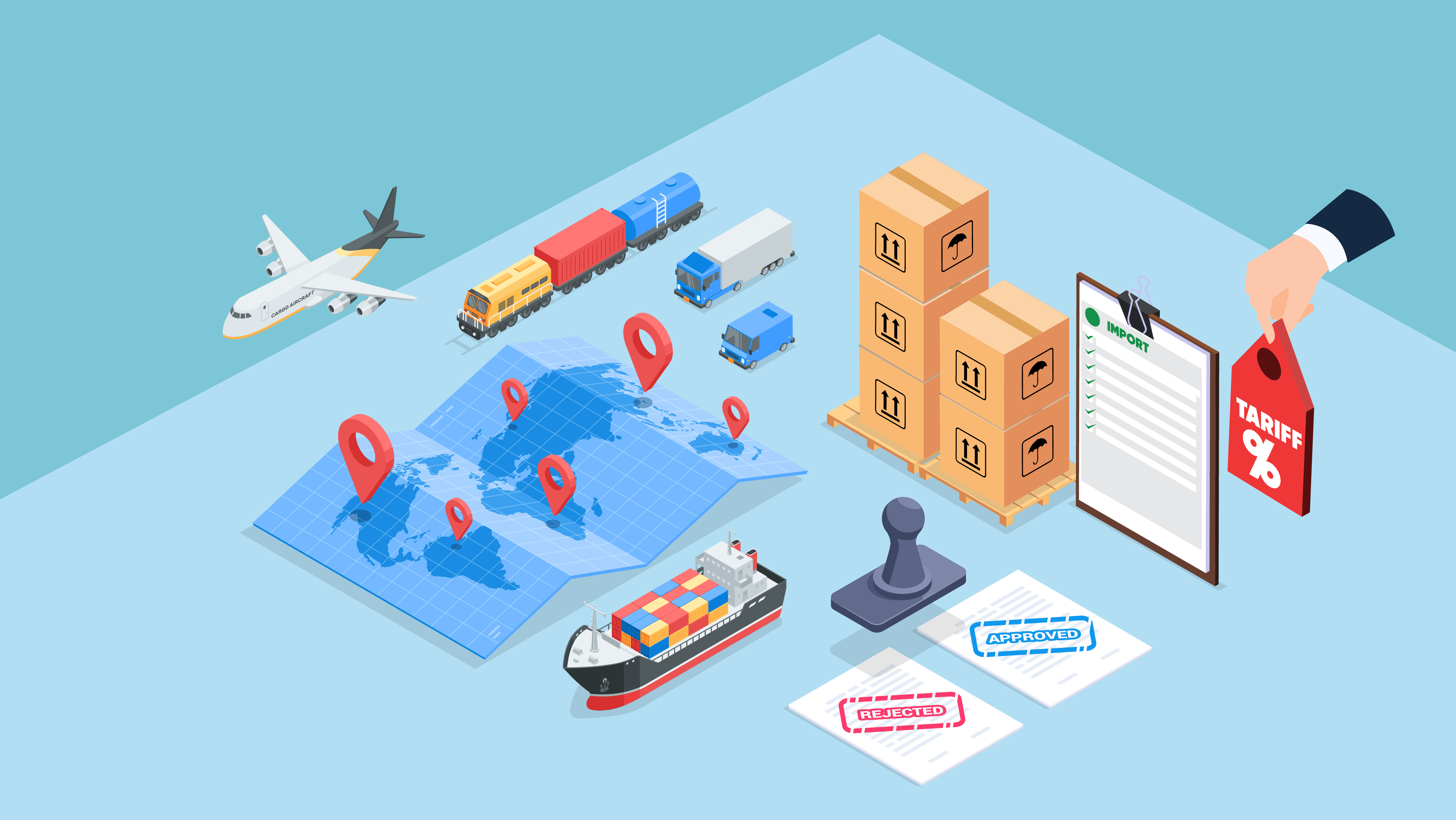
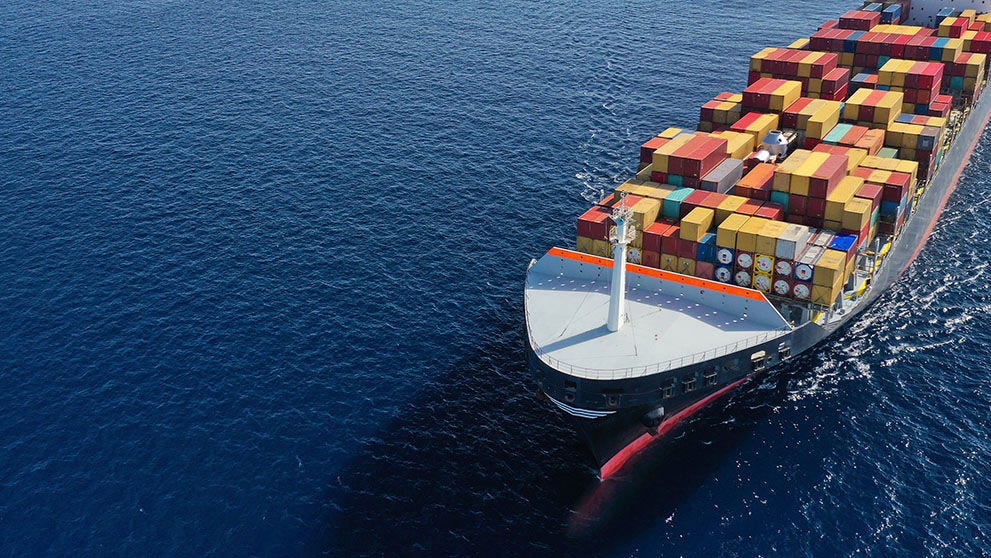
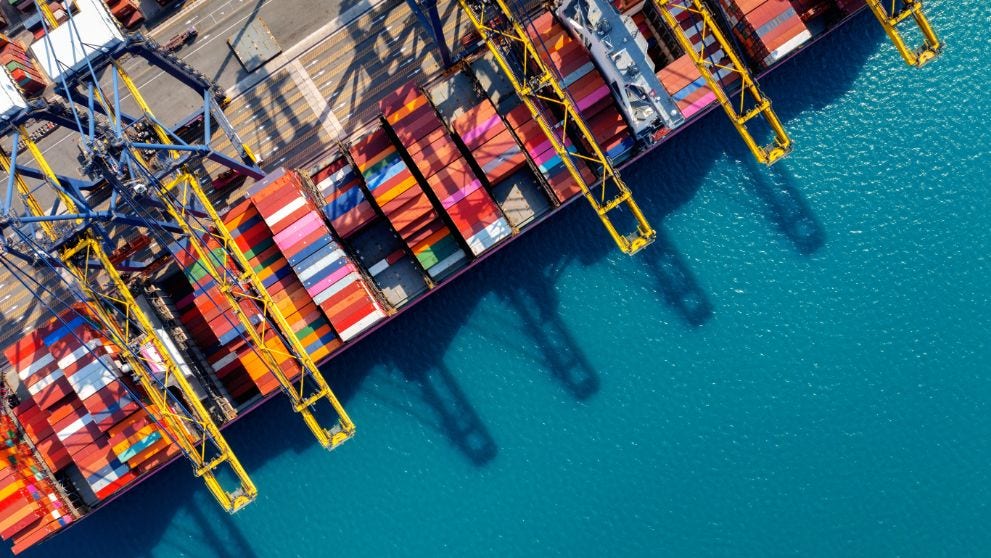
For imports, the indirect format is the natural fit. The cargo crosses the ocean or the sky consolidated, on pallets or in a container, and is only split per customer, store or branch once it is in Brazil. If the lot is small and urgent, such as spare parts or samples, door-to-door express shipping can skip the intermediate dock, because it already delivers to the final address.
Planning starts at the purchase order. Asking the supplier to label each package with its final destination in Brazil before dispatch shortens sorting on arrival. The full process of bringing goods in is in the guide to importing into Brazil.
When demand is unpredictable. The model assumes the destination of each package is known the moment it arrives. If you buy for stock, without knowing who you will sell to, the product needs a shelf, and its place is the warehouse or the distribution centre.
It also fails with suppliers who deliver late or off-spec. Every truck outside its slot blocks a door and pushes dispatch back. And for slow-moving products, with sales spread over months, the handling saving does not justify the effort of synchronising everything.
In most companies the answer is mixed. High-turnover items with predictable orders cross the dock; the rest goes to storage. These logistics management tips help you separate one group from the other.
Transshipment only moves cargo from one vehicle to another, as it came. At a cross dock, lots are broken down, sorted by destination and recombined with goods from other suppliers before they leave.
No. Logistics providers offer the dock, the team and the system as a service, and you pay for the volume handled. Your own building only starts to make sense when the flow is daily and steady.
No. A distribution centre holds stock to serve future orders; a cross dock only transfers cargo that already has a destination. The same building can have both areas side by side.
Manufacturers, retailers, distributors and logistics providers. The requirement is not company size but predictable orders and suppliers able to notify and label cargo before shipping.
It works for replenishing regional distribution centres and physical stores that also fulfil online orders. For delivery to the end consumer, it usually appears as an intermediate stage, not as the whole model.
A dock that turns depends on cargo arriving on time and with documents in order, including cargo from abroad. To import or export with pickup, customs clearance and tracking on one network, open a DHL Express business account.


 Share