No. A hub is a transport connection point where cargo from different origins changes vehicle or route, usually without storage. A distribution centre holds stock and picks orders.



 Share

A distribution centre (DC) is a logistics facility that receives goods from factories and suppliers, holds them briefly, picks orders and ships them to shops, customers or other points of sale. For companies selling in Brazil, the difference from a warehouse is the goal: a warehouse exists to store, a DC exists to keep products moving.
The question usually comes up when the operation grows. Stock no longer fits in the back of the shop, delivery to other Brazilian states takes too long and each order leaves from a different place. Before renting a building, it pays to understand what a DC does, which type suits your case and when it actually pays for itself.
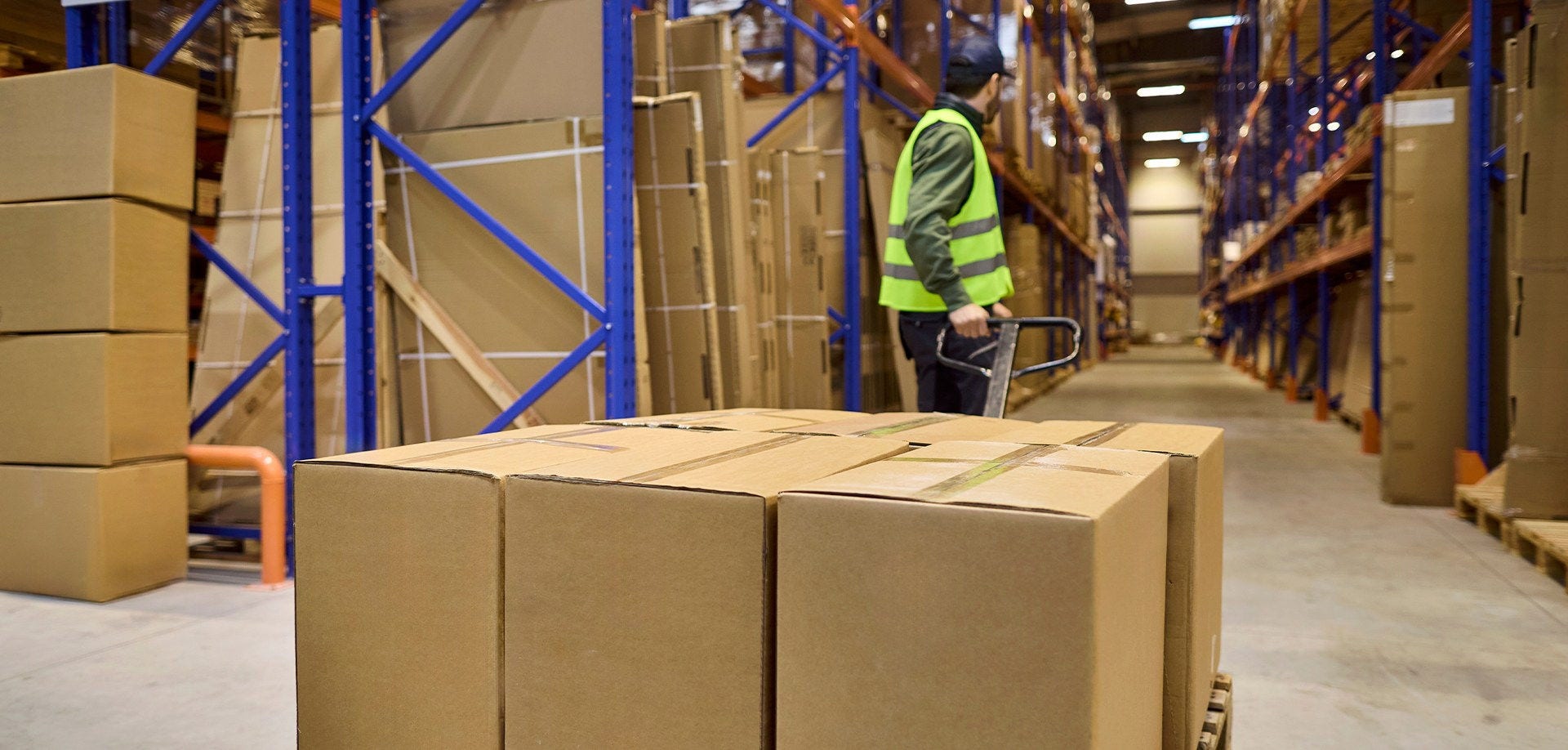
In logistics, a DC is the point in the chain where products stop moving in large batches and start moving as orders. In Brazil it is called "centro de distribuição", or simply "CD". A truck arrives with 20 pallets of a single item; 400 boxes of mixed items leave for different destinations.
That work of breaking down, mixing and re-sending is what justifies a DC. It concentrates stock that used to be scattered, cuts the number of long trips and brings products closer to customers. In return, it creates fixed costs for rent, staff and systems that need volume to pay off.
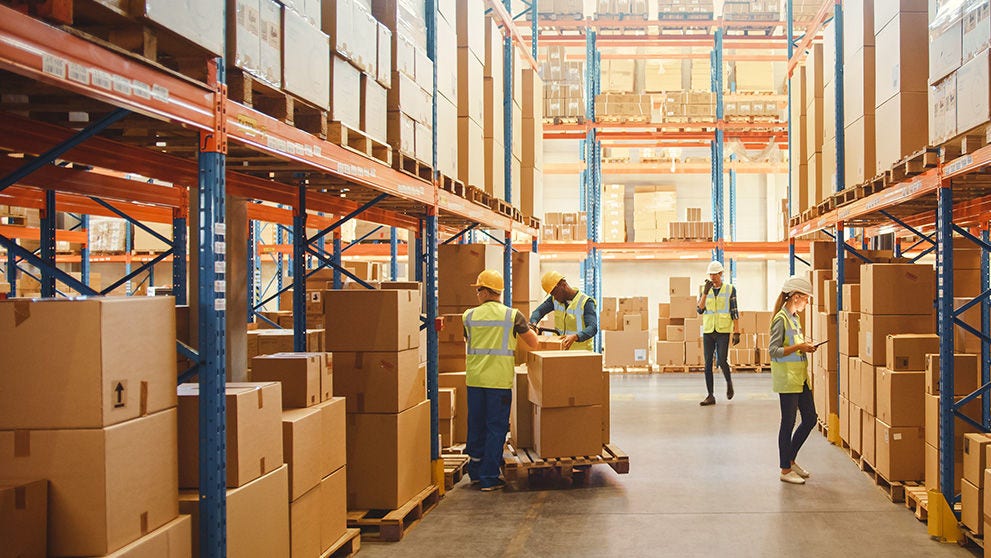
A distribution centre works like a continuous line, from the inbound dock to the outbound dock. The steps repeat every day, in this order:
The warehouse management system coordinates all of this. The WMS tells staff where to store, what to pick first and which truck to load, and it is what lets you trace an item from receipt to dispatch.
The most common bottleneck is picking. It is the most labour-intensive step, and a poor layout makes the operator walk twice as far as necessary for every order.
A warehouse is built to store goods for long periods at the lowest cost per cubic metre. A distribution centre is built to move goods with the shortest time between arrival and departure. The table sums up the differences that matter most when choosing.
Criterion | Warehouse | Distribution centre |
Goal | Store | Keep goods moving |
Time goods spend on site | Weeks or months | Hours or a few days |
Main activity | Storage | Picking, packing and dispatch |
Outbound unit | Pallet or full batch | Order with mixed items |
Typical technology | Stock control | WMS, handheld scanners, route planning |
Key indicator | Cost per location | Orders shipped on time |
In practice, a large share of buildings do both: one area for reserve stock and another for picking. What defines the name is the activity that drives the operation.
Distribution centres are grouped by who runs them and by the role they play in the network. These are the ones you will come across most often:
For a small business, the most common path is to start outsourced and build its own structure only when volume justifies it. The switch usually happens when the variable cost per order exceeds what the fixed cost of running the DC yourself would be.
A business needs a DC when the cost and time of delivering from where stock sits today start to limit sales. The clearest signs are:
Location also has a tax effect in Brazil. Complementary Law No. 204 of 28 December 2023 amended the Kandir Law to establish that transferring goods between establishments of the same owner does not trigger ICMS (Brazil's state value-added tax), with rules to preserve tax credits on interstate transfers. Source: Planalto (Brazil's official legislation portal), Complementary Law 204/2023.
Choose the city by where your orders go, not by the cheapest rent. A cheap building far from customers gives the savings back in freight every month.
Start with a map of sales over the last 12 months, by postcode or by state. If 60% of orders go to Brazil's Southeast, a DC in Minas Gerais or inland São Paulo serves most of the volume on a short route, and the other 40% travel further.
Then cross that map with road access, labour supply, occupancy cost and state tax rules. The final sum compares the annual cost of the DC with the freight and time it saves. If the difference is small, an outsourced provider in the same region tests the idea without a long contract.
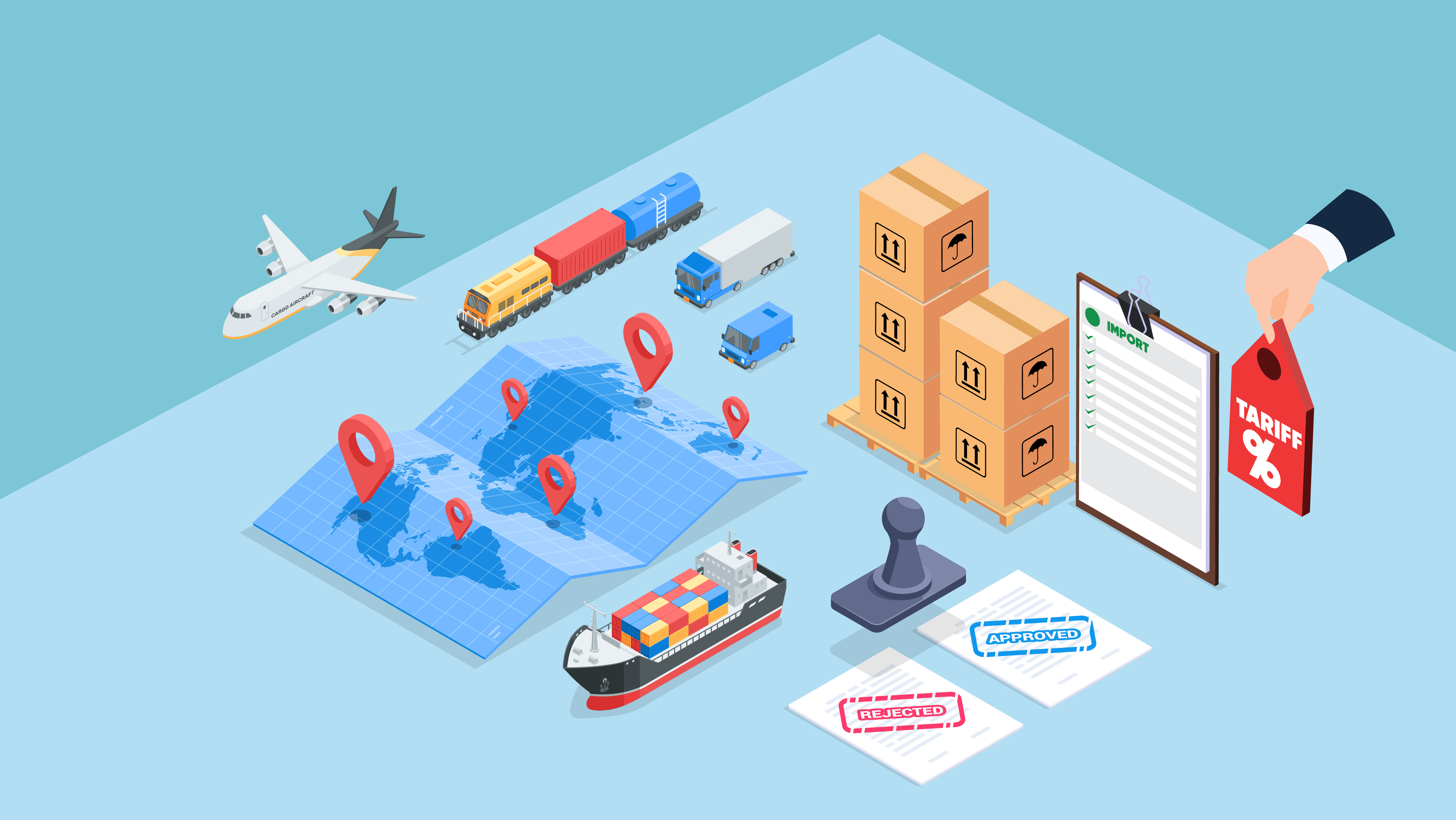
Imported goods only reach your DC after customs clearance. Until then they sit in a bonded facility, an area under Receita Federal (Brazil's federal revenue and customs authority) control at a port, airport or dry port, where customs inspection takes place.
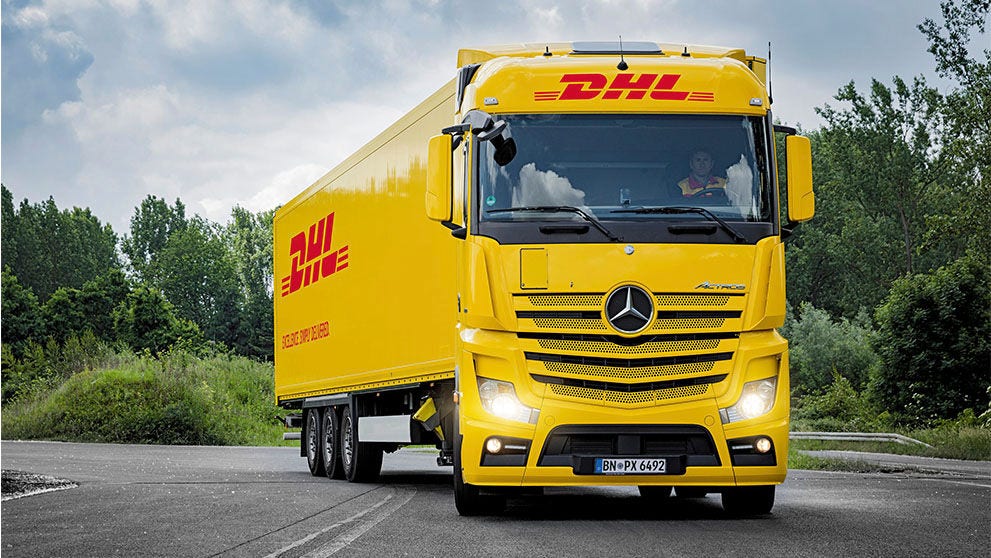
That stretch between the bonded facility and the DC makes a difference to total lead time. DHL Express, for example, runs a 2,500 m² bonded warehouse at Viracopos airport in Campinas, São Paulo, for formal imports, operating 24 hours a day, seven days a week and processing up to 3,000 shipments an hour. Source: DHL Express 2026 Service and Rate Guide, Brazil.
If you import regularly, the DC location calculation includes the distance to the port or airport of entry, not just to customers. Our guide to importing into Brazil shows the steps that happen before cargo leaves the bonded area.
No. A hub is a transport connection point where cargo from different origins changes vehicle or route, usually without storage. A distribution centre holds stock and picks orders.
It is a shop closed to the public that only picks online orders, usually inside the city. It works as a small forward DC focused on fast, short-distance deliveries.
There is no defined minimum size. Size depends on order volume, the number of different items and the average time each product stays on site, and a small e-commerce DC can run in a few hundred square metres.
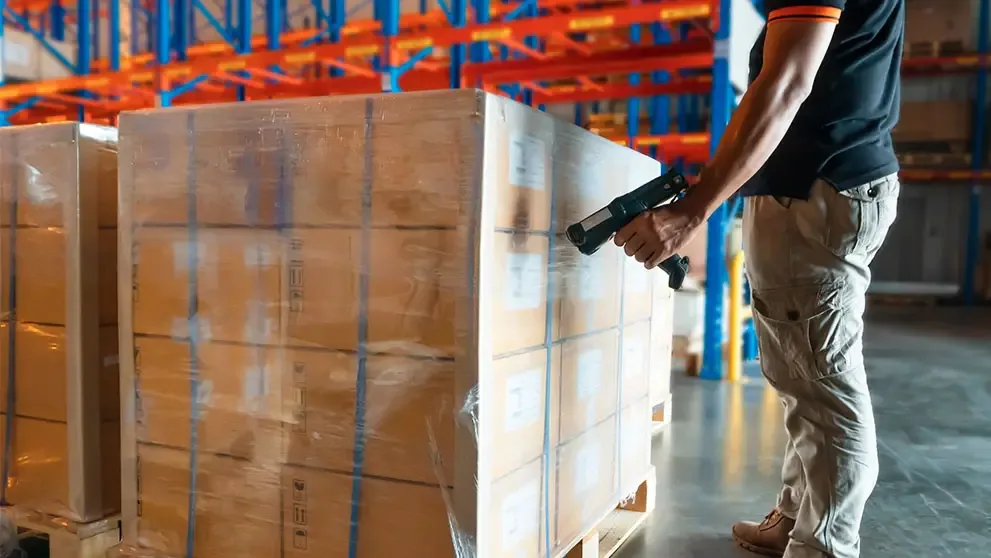
They receive and check loads, store products in the locations set by the system, pick and pack orders and prepare dispatch. In operations with a WMS, they use a handheld scanner that records every movement.
If your distribution centre already serves Brazil and you have started receiving orders from abroad, the next step is international shipping that leaves your DC with pickup, documents and tracking handled.
With a business account you can quote, book pickups and track every shipment in one place. Open a DHL Express business account and connect your DC to the customers who buy from outside Brazil.
Share