Yes. Siscarga is the short name the market uses for Siscomex Carga, the Receita Federal module that controls waterborne cargo.



 Share

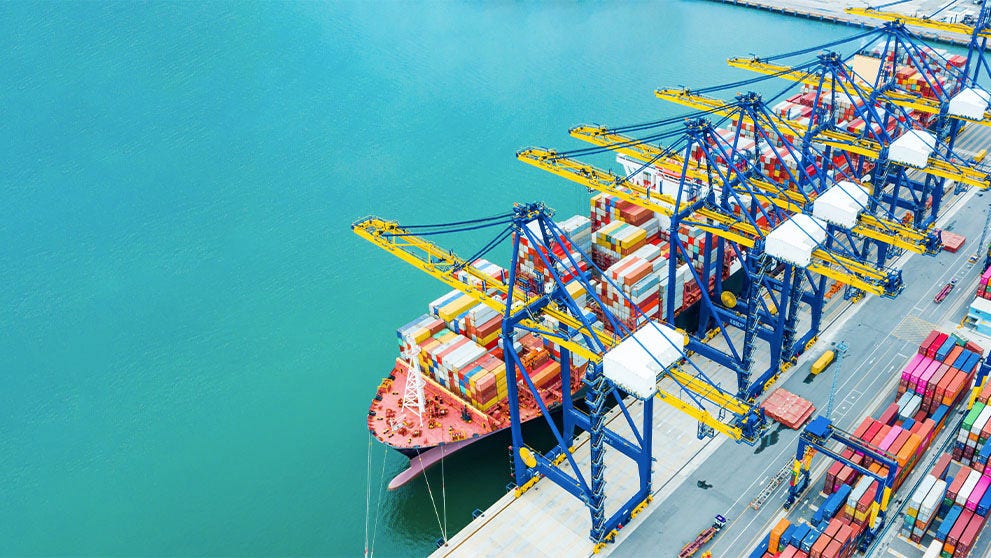
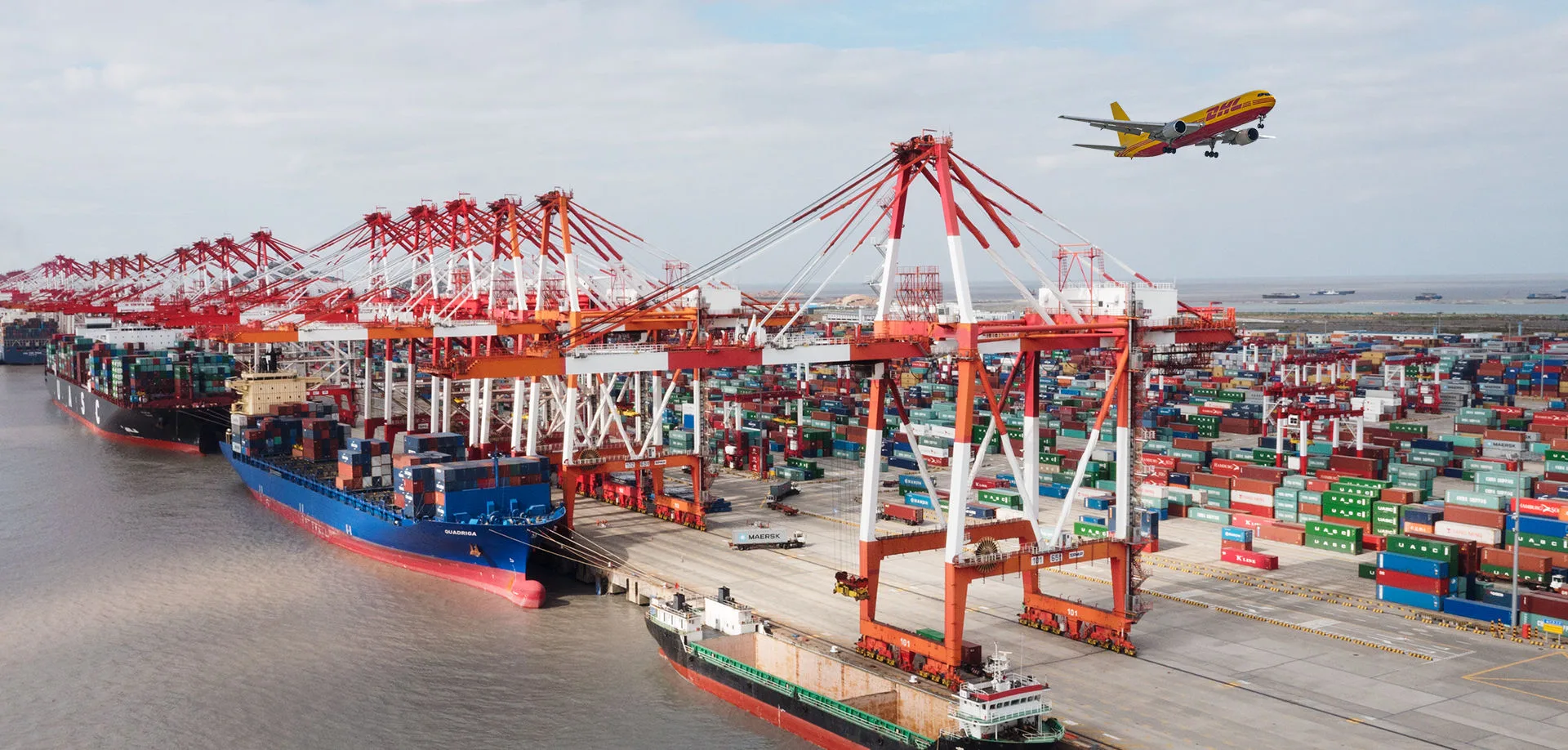
Siscomex Carga (Siscomex Cargo) is the Receita Federal module that controls cargo arriving in Brazil by sea: vessel call, manifest and electronic bill of lading (the CE Mercante). For air freight, control sits with CCT Importação on scheduled flights and with Mantra on non-scheduled ones. Without these records in order, the import declaration cannot be filed.
You bought the goods, the supplier shipped them, the vessel berthed, and your broker still says the Duimp cannot be filed. The reason is almost always a record you never saw: the manifest, the bill of lading entry or the cargo presence. This guide shows who reports each one, which systems run the control and what you can track to avoid surprises in Brazil.
Each link in the voyage supplies part of the information, with a digital certificate, and the system only releases the cargo when the parts match. According to Receita Federal's import clearance manual, updated in April 2026, the split for sea freight is:
Information | Who reports it | What it is for |
Vessel call (escala) | Shipping line or shipping agency | Registering the vessel's expected arrival at the port |
Electronic manifest | Issuing shipping line | Listing the bills of lading on board for that port |
Electronic bill of lading (CE) | Shipping line | Declaring each bill of lading (BL) |
Deconsolidation (house CE) | Freight forwarder named on the master CE | Splitting consolidated cargo by importer |
Storage | Terminal operator (depositário) | Confirming the cargo has entered the facility |
Source: Receita Federal, import clearance manual, sea freight cargo control page, April 2026.
The importer is not in the table.
They depend on the carrier, the forwarder and the terminal getting their records right, so it pays to know how to read what each one reports. When your broker says the CE is blocked, the useful question is which of those lines failed. The answer tells you who to call.
The CE Mercante is the electronic bill of lading number generated in the Sistema Mercante, which runs alongside Siscomex Carga. Besides supporting customs control, Mercante manages the collection of the AFRMM, the Freight Surcharge for the Renewal of the Merchant Marine, a levy on waterborne freight.
Receita Federal took over collection, inspection and refunds of the AFRMM after Laws No. 12,599/2012 and No. 12,788/2013. Current procedures are in Normative Instruction RFB No. 2,102/2022, which also covers exemption and suspension requests made in Mercante itself, before the import declaration is filed (Source: Receita Federal, September 2022).
In practice, the AFRMM must be paid, exempted or suspended before sea cargo is delivered. Does your product qualify for a benefit? Request it before filing the declaration.
The minimum deadlines for reporting the vessel call, manifest, bills of lading and deconsolidation are in article 22 of Normative Instruction RFB No. 800/2007. Since 1 September 2021, under Normative Instruction RFB No. 2,044/2021, Siscomex Carga checks those deadlines automatically (Source: Portal Siscomex).
Late information has two consequences. The first is a block on the bill of lading in the system. The second is the BRL 5,000 fine in article 728 of Brazil's Customs Regulation for failing to report vehicle or cargo information in the form and time set by Receita Federal, which applies to carriers, freight forwarders and door-to-door express transport companies alike.
The fine falls on the carrier. The delay falls on you.
For air freight, control moved to CCT Importação, the Cargo and Transit Control system of Portal Único (Brazil's single window for foreign trade). It went live at every Brazilian international airport on 2 August 2023, replacing Mantra, which had been running for about 30 years, and it uses the IATA Cargo-XML standard to receive advance information from airlines (Source: Brazilian Ministry of Finance, August 2023).
Mantra has not disappeared, which confuses anyone reading older news. According to Receita Federal's air cargo control page, updated on 19 October 2026, it still controls non-scheduled flights, while CCT handles scheduled flights and cargo under customs transit.
One CCT rule catches many importers out: the DI or Duimp can only be filed after every package on the air waybill has been received at the facility. If your shipment arrived split across two flights, the declaration waits for the second. How air freight works from loading to delivery is covered in the guide to air cargo transport in Brazil.
Because the import declaration is checked against the electronic bill of lading. For sea freight, Receita Federal only accepts the filing when four conditions are met together: the terminal has reported storage, the consignee on the CE is the importer itself, the declaration data match the CE and the CE carries no blocking flag.
You can cut the risk before the vessel or aircraft arrives. The routine that works:
Filing the declaration itself, from the Duimp to tax payment, is covered in the guide to Siscomex imports. If you have no team to monitor CEs and manifests, it is one of the services a customs broker in Brazil provides.
For express shipments, the courier company is the carrier and reports the cargo information, as well as clearing the shipment. The Customs Regulation expressly names door-to-door international express transport providers among the companies subject to cargo reporting deadlines and fines.
If you import samples or smaller orders, that takes the manifest, the CE and the freight forwarder off your path. What stays with you is what goes on the invoice: accurate description, value and quantity. The stages of an international purchase, from order to delivery, are in the guide to importing into Brazil.
Yes. Siscarga is the short name the market uses for Siscomex Carga, the Receita Federal module that controls waterborne cargo.
The master, or generic, CE is issued by the shipping line in the name of the freight forwarder that consolidated several shipments. The house CE, also called an aggregate or "filhote" CE, is opened by the forwarder at deconsolidation and names the importer as consignee.
It is the record, made by the terminal operator, that the goods have been stored at the facility. For sea freight, it can only be reported once the vessel call is marked as berthed, according to Receita Federal's import manual.
Yes, for sea freight. In that case, the terminal records receipt of the cargo by entering the Duimp number, and the vessel's berthing counts as arrival, according to Receita Federal's import manual.
The more intermediaries between loading and your warehouse, the more records must match for the cargo to be released. For samples, replacement parts and fast-moving orders, express shipping puts transport, cargo reporting and clearance with a single responsible party.
To import and export into and out of Brazil with that end-to-end control, open a DHL Express business account.
Share