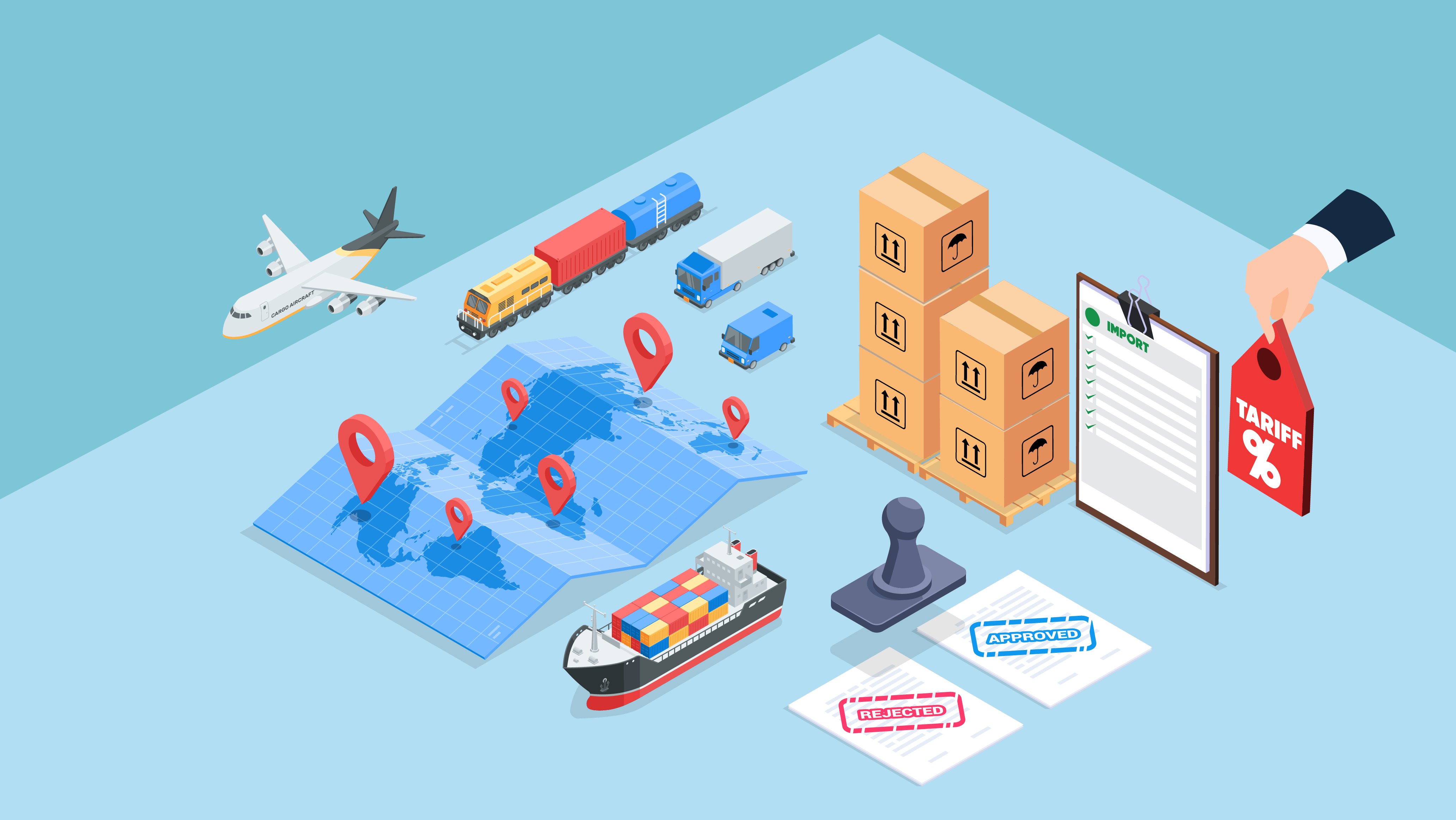
Foreign trade is the buying and selling between countries, with contracts, foreign exchange and taxes. International logistics is the physical side: moving the goods, with documents and customs, from origin to destination.



 Share

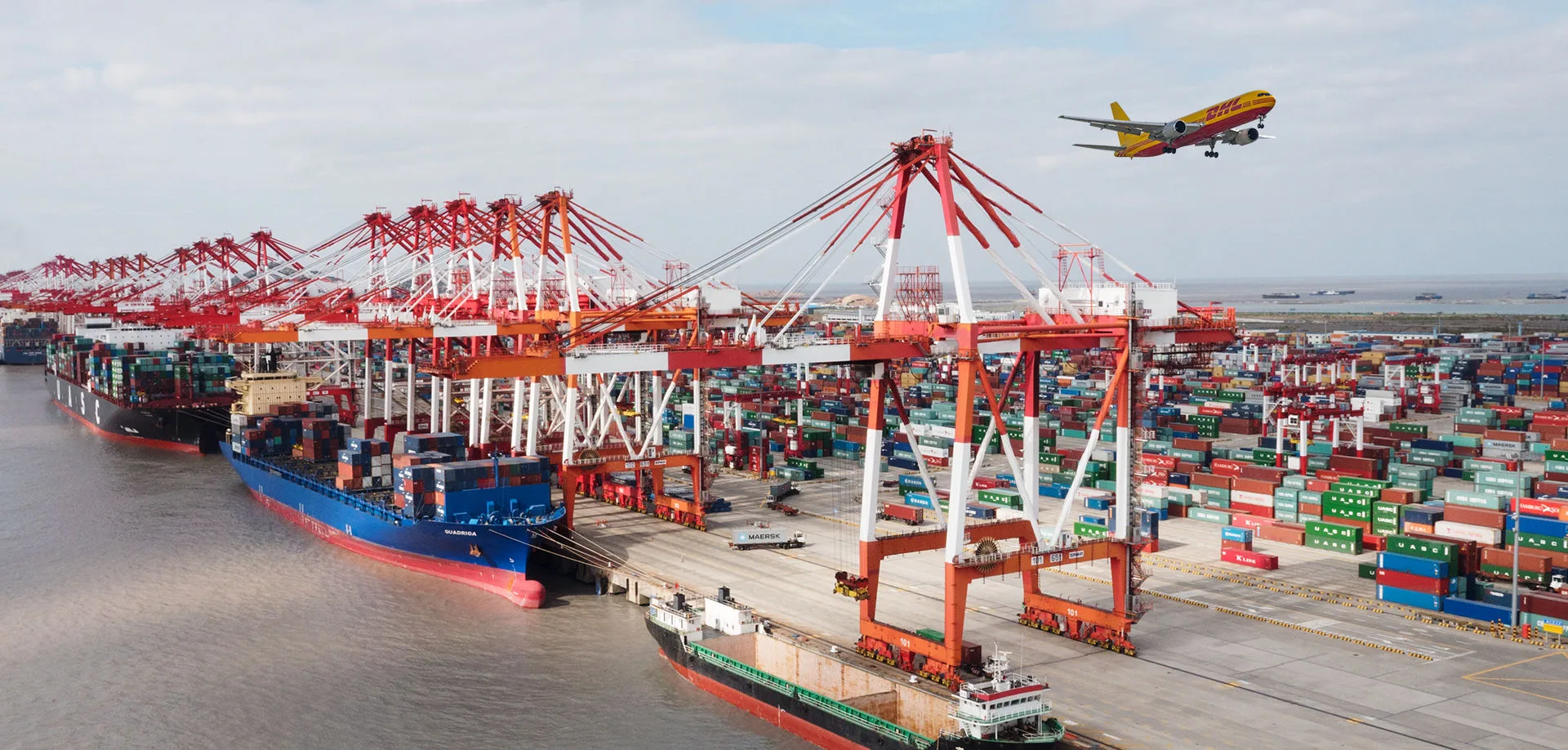
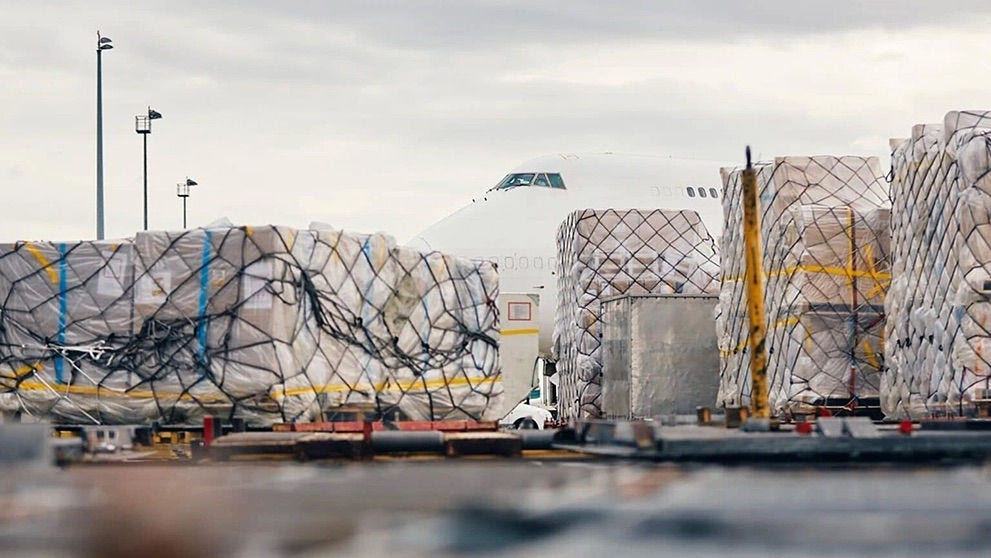
International logistics from Brazil is the chain of steps that moves goods from one country to another: preparation and packing, pickup, export clearance, main carriage (air, sea, road or rail), import clearance at destination and final delivery. The total cost adds up freight, insurance, duties and customs expenses at both ends.
In practice, first-time exporters tend to quote only the freight and find out about the rest along the way. The cargo stops at the airport for want of a document, the overseas customer gets an unexpected tax bill, the promised lead time slips. The problem is rarely the transport itself. It is a step nobody took ownership of.
The number of borders and rule books changes. Within Brazil, you deal with one legal system, one currency and one tax authority. Internationally, you add two customs administrations, two tax regimes, foreign exchange, a sales contract with an Incoterm and, at times, more than one carrier.
The volume at stake shows why it pays to learn. Brazilian exports reached US$ 349 billion in 2025, an all-time record. Source: Ministry of Development, Industry, Trade and Services (MDIC), January 2026. If you are still building the basics, the guide to what logistics is covers the concepts this article takes for granted.
There are seven, and each needs a named owner in the contract:
The Incoterm in the contract defines who pays and who bears the risk at each of these stages. For the step-by-step view from the shipper's side, the six steps of the international shipping process follow the flow from order to the customer's door.
By what weighs most in your operation: lead time, volume or cost per kilo. There is no best mode in theory. There is the right mode for that cargo, at that moment.
The table below compares the four routes most used by companies exporting from Brazil, with the transport document for each.
Mode | When it makes sense | Transport document | Watch out for |
Express air (courier) | Samples, documents, urgent parts, e-commerce, cargo up to a few thousand kilos | Air waybill issued by the courier | Volumetric weight drives the price of light, bulky boxes |
Air cargo | Medium lots with short lead times | Air waybill (AWB) | Needs a forwarder to book space and handle the terminal |
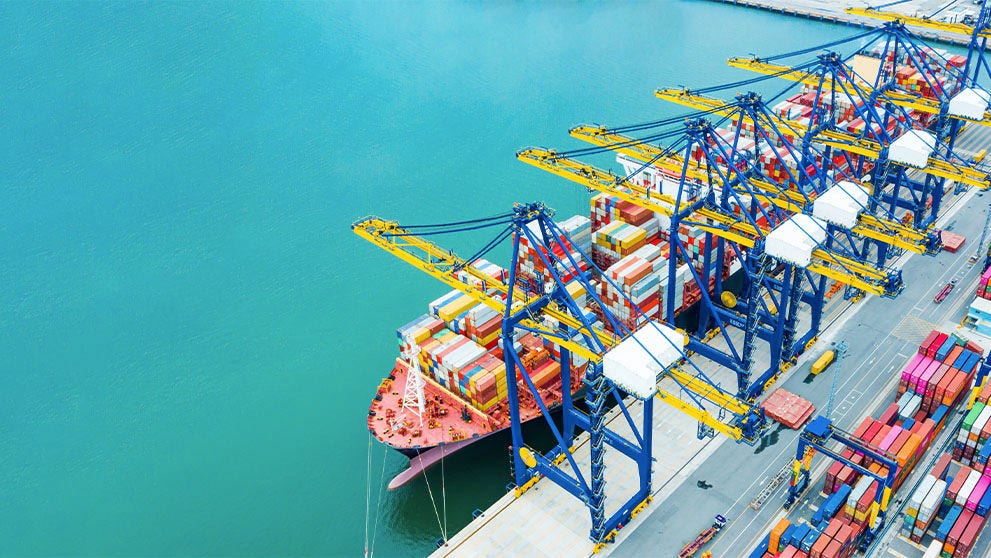
Sea | Large volumes, bulk, full containers | Bill of lading (BL) | Long transit and port costs at both ends |
Road | Neighbouring South American countries | International road consignment note (CRT) | Land border crossing and customs transit |
A detail many companies miss: heavy cargo does not have to mean a ship. Shipments from 50 kg to 3,000 kg can travel on an express air service for heavy freight, as explained in the guide to heavy weight express from Brazil.
The basic pack has three pieces: the commercial invoice, stating what was sold and for how much; the packing list, stating how the cargo is packed; and the transport document, proving shipment. Depending on the product and destination, licences, sanitary certificates or a certificate of origin come in.
The most expensive mistake is a mismatch between them. Weight, quantity and description must match across the invoice, the packing list, the Brazilian electronic invoice (NF-e) and the export declaration. A small gap is enough to hold the cargo. The full list by type of operation is in the guide to documents for import and export.
On the way out of Brazil, every export goes through the DU-E (Declaração Única de Exportação, the single export declaration), filed on the Portal Único Siscomex. Since 2 July 2018, the DU-E has replaced the former export registration and declarations, and it is generally generated from the sale's electronic invoice. Source: Siscomex and Receita Federal, 2026.
You can file the DU-E yourself, through a customs broker or through an express consignment operator, which is the courier route. At destination, the cargo goes through the buyer's customs, which collects local duties and taxes. Who pays that bill depends on the Incoterm: according to an International Chamber of Commerce (ICC) guidance note of April 2025, only under DDP does the seller take on import duties.
To understand the export rules before your first sale, the guide to exporting from Brazil covers registration, tax treatment and documents.
There is no single price list, because cost depends on weight, volume, destination, mode and Incoterm. What exists is a list of items that must go into the calculation:
Add it all up before quoting your overseas customer. A sale that looked profitable on freight alone can turn into a loss once terminal storage and handling fees at destination appear.
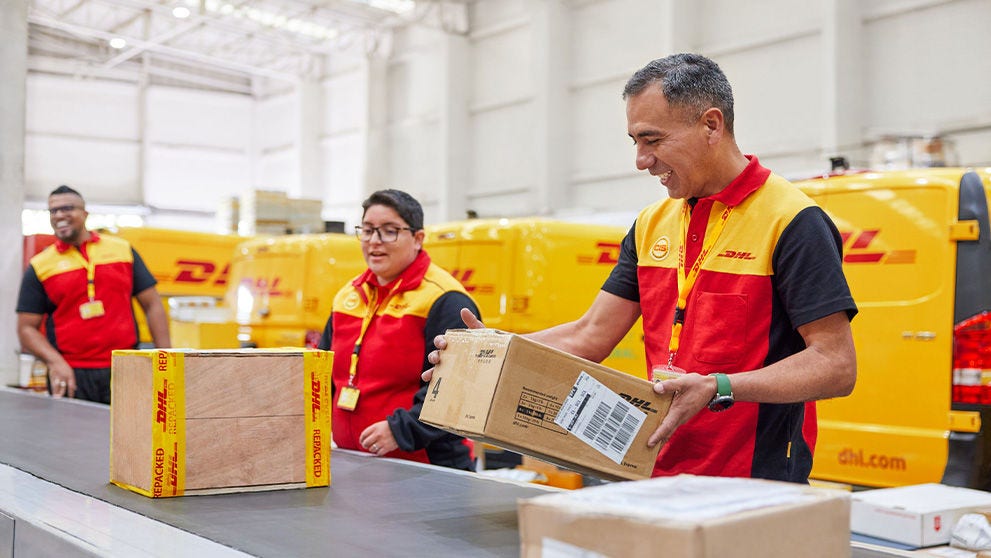
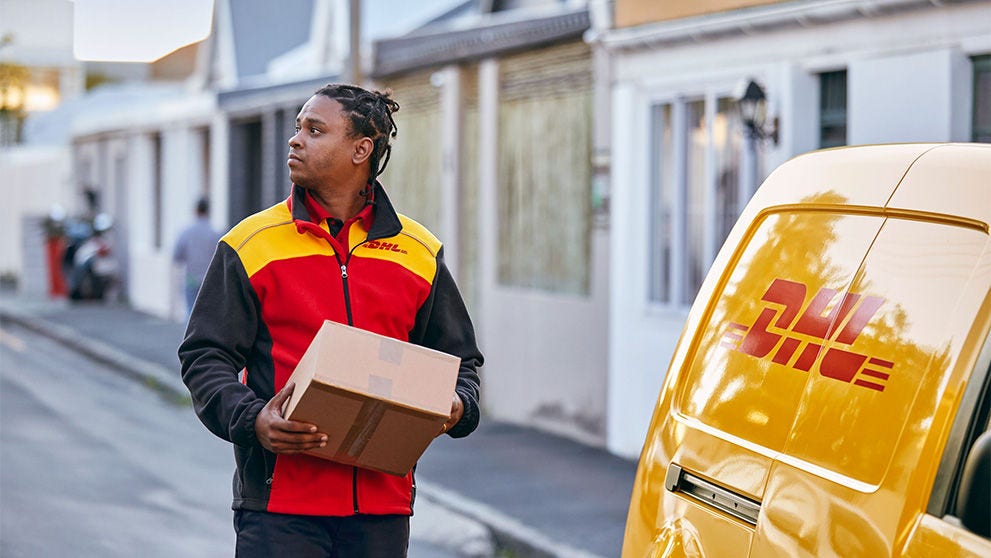
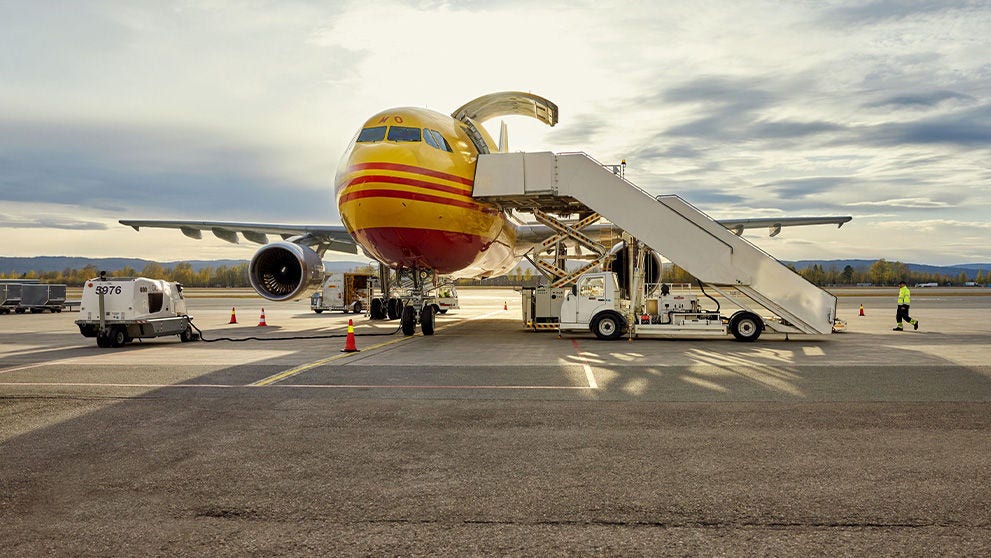
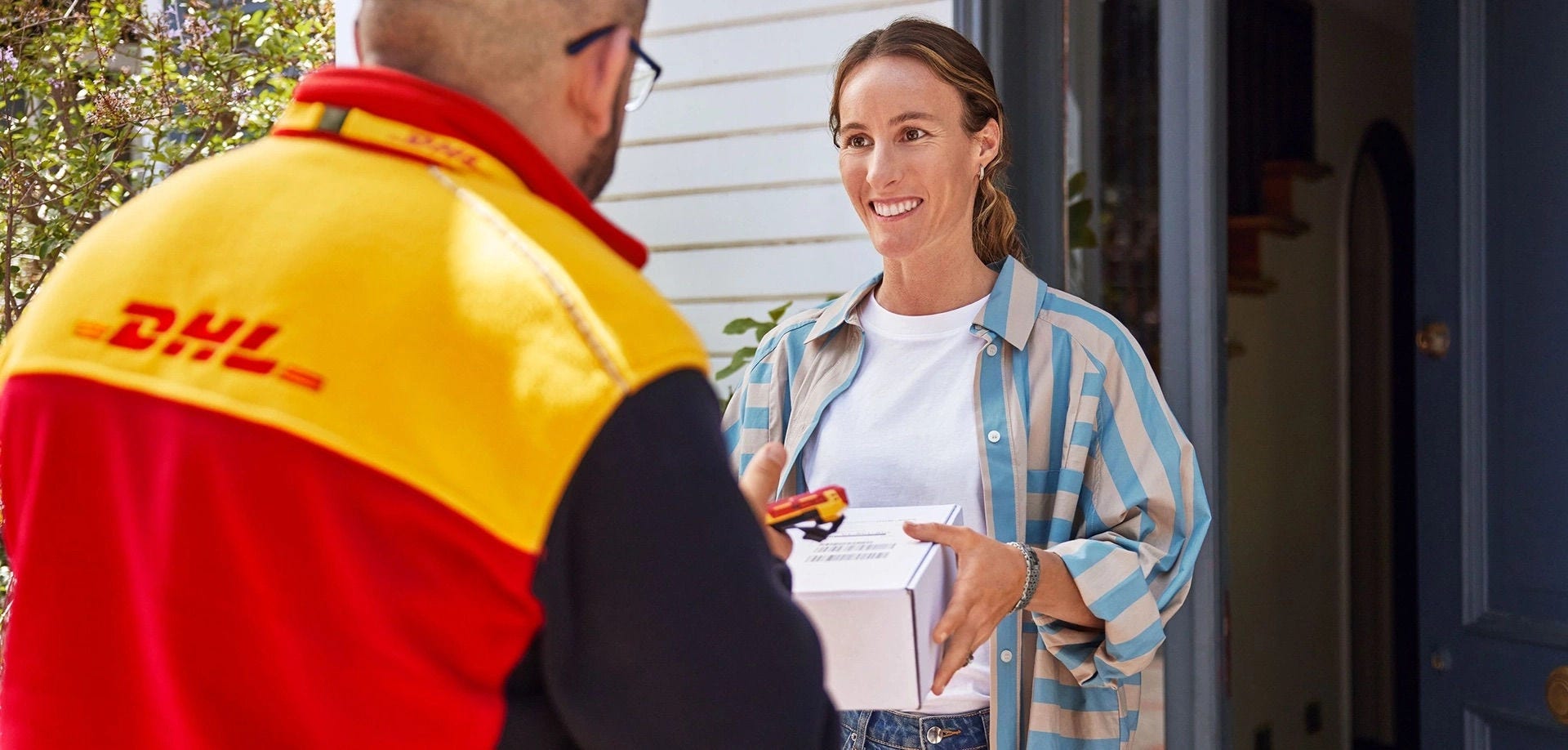
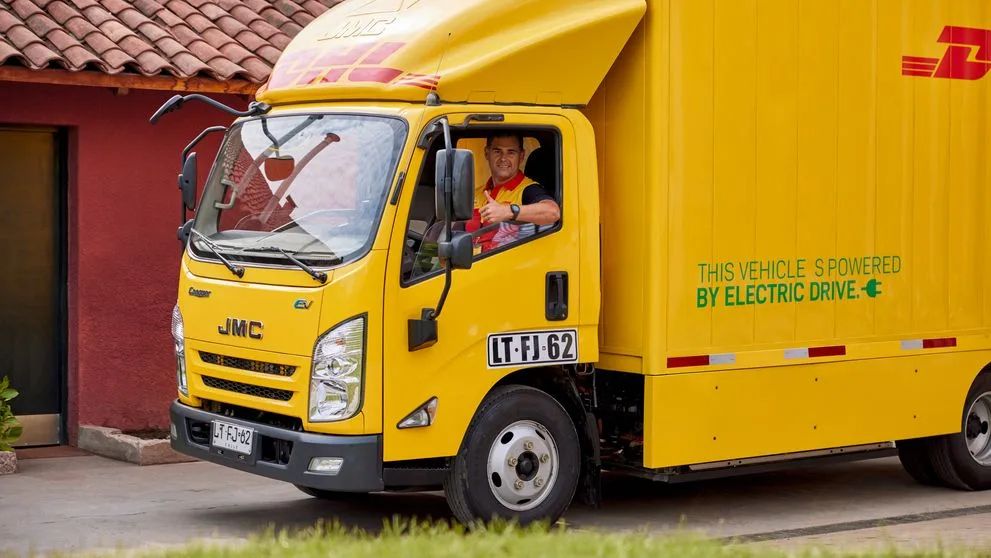
A courier bundles five stages under one owner. It collects from your door, handles export clearance as an express consignment operator, moves the cargo through its own network, handles import at destination and delivers to the customer, with tracking from start to finish.
DHL Express, for example, ships door to door to more than 220 countries and territories, according to the company. For samples, documents, spare parts and e-commerce orders, this model replaces three or four suppliers with one contract. For full ships or bulk, sea freight remains the route.
Foreign trade is the buying and selling between countries, with contracts, foreign exchange and taxes. International logistics is the physical side: moving the goods, with documents and customs, from origin to destination.
Yes. Sending documents, gifts and luggage abroad uses the same structure of pickup, export and delivery, usually by courier, with specific rules for non-commercial shipments.
It depends on the mode, the route and customs release at both ends. Express air is the fastest; sea is the slowest. No serious carrier guarantees customs times, because release depends on the authorities.
It is not mandatory. A company can file the DU-E itself on the Portal Único, and for express shipments the express consignment operator files it. A broker helps with licensed goods, special regimes or complex cargo.
If your company sends samples, parts or e-commerce orders abroad, door-to-door express shipping brings pickup, export, transport and delivery together with one partner. You get one point of contact and one tracking number instead of four suppliers to align.
To quote your international shipments and issue the paperwork in one place, open a DHL Express business account.
Share