BL stands for bill of lading, the ocean transport document. It proves the cargo was received on board, records the contract of carriage and, when issued "to order", works as a title that entitles the holder to collect the goods.



 Share

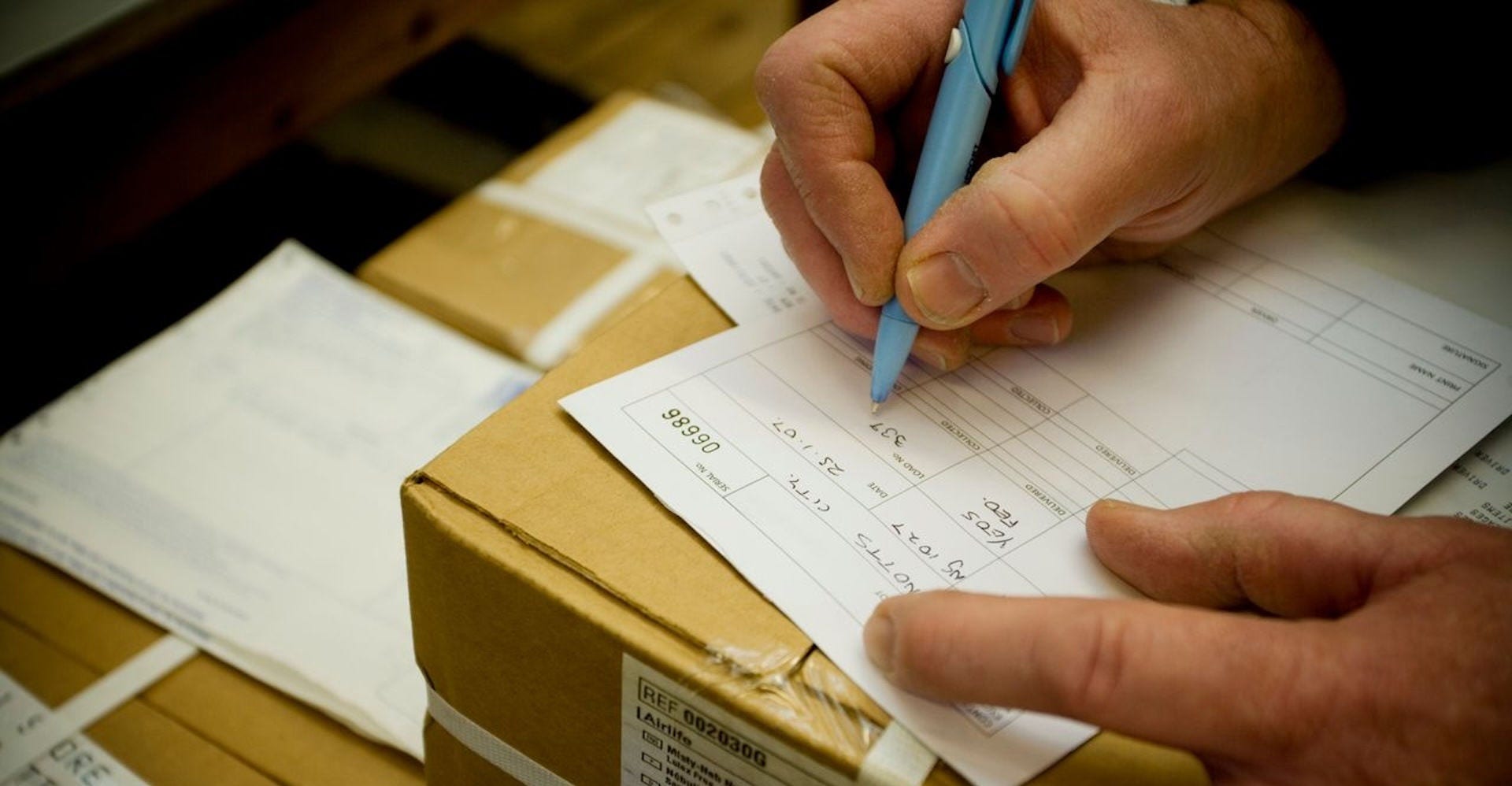
A bill of lading or air waybill ("conhecimento de embarque" in Brazil) is the document a carrier issues on receiving cargo: it proves the goods were handed over, records the contract of carriage and, at sea, can represent ownership. By ship it is the BL; by air, the AWB; in consolidated loads, the HBL and HAWB.
The acronyms look like alphabet soup until the day your cargo lands in Brazil and nobody can release it because the document is in the wrong name. Knowing which transport document you hold, who issued it and whose name is on it solves half of the release delays.
The bill of lading, or transport document in general, plays three roles at once:
Brazilian law gives this paper real weight. The Customs Regulation (Decree 6,759/2009, article 554) states that the original transport document, or an equivalent, is proof of possession or ownership of the goods. That is why it supports the import declaration alongside the commercial invoice, within the set described piece by piece in the guide to import and export documents.
Two rules in the same regulation shape the routine of anyone importing into Brazil. Each transport document matches a single import declaration, unless the Receita Federal (Brazil's customs and tax authority) allows otherwise (article 555). And for tax purposes, the shipment date is the date the document was issued (article 708).
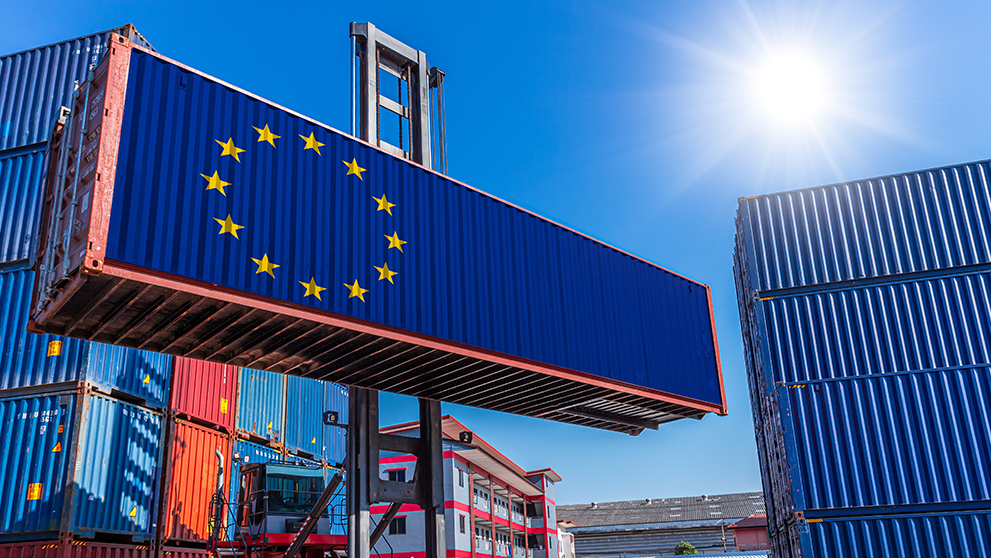
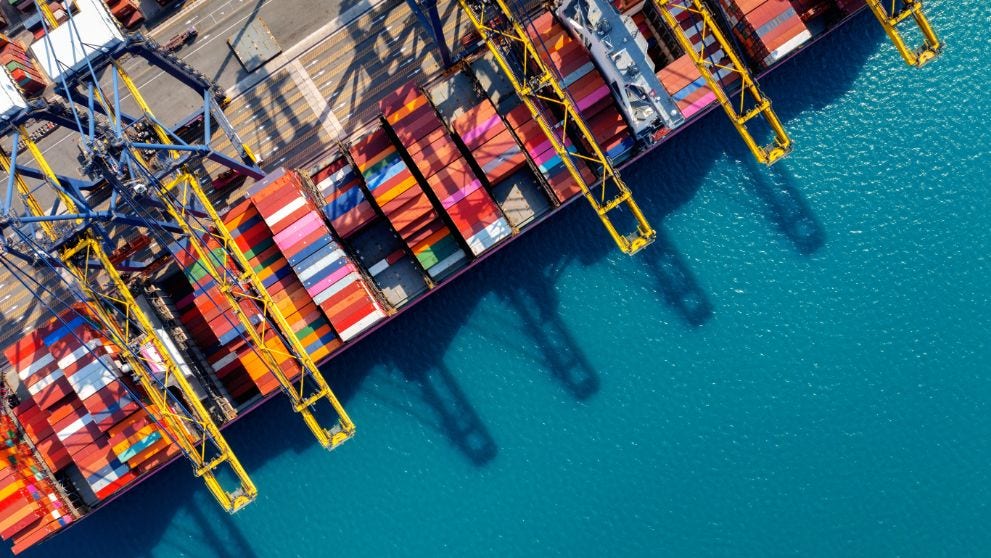
BL stands for bill of lading, the ocean transport document. The shipping line, or whoever acts for it, issues it once the cargo is loaded on the vessel, and it usually comes in three originals.
What makes the BL special is negotiability. A BL made out "to order" can be endorsed and transferred, like a financial instrument. With a letter of credit, the bank holds the originals until the buyer pays, and only then can the buyer collect the cargo. If the BL is a straight (named) BL, only the consignee shown on it can collect.
There is also the sea waybill, a non-negotiable version used when buyer and seller trust each other and do not need a title document in circulation. It removes the need to courier originals and shortens release.
In Brazil, ocean transport document data is reported electronically to the Receita Federal. How that works, and why late information stalls clearance, is covered in the guide to Siscomex Carga and Mantra.
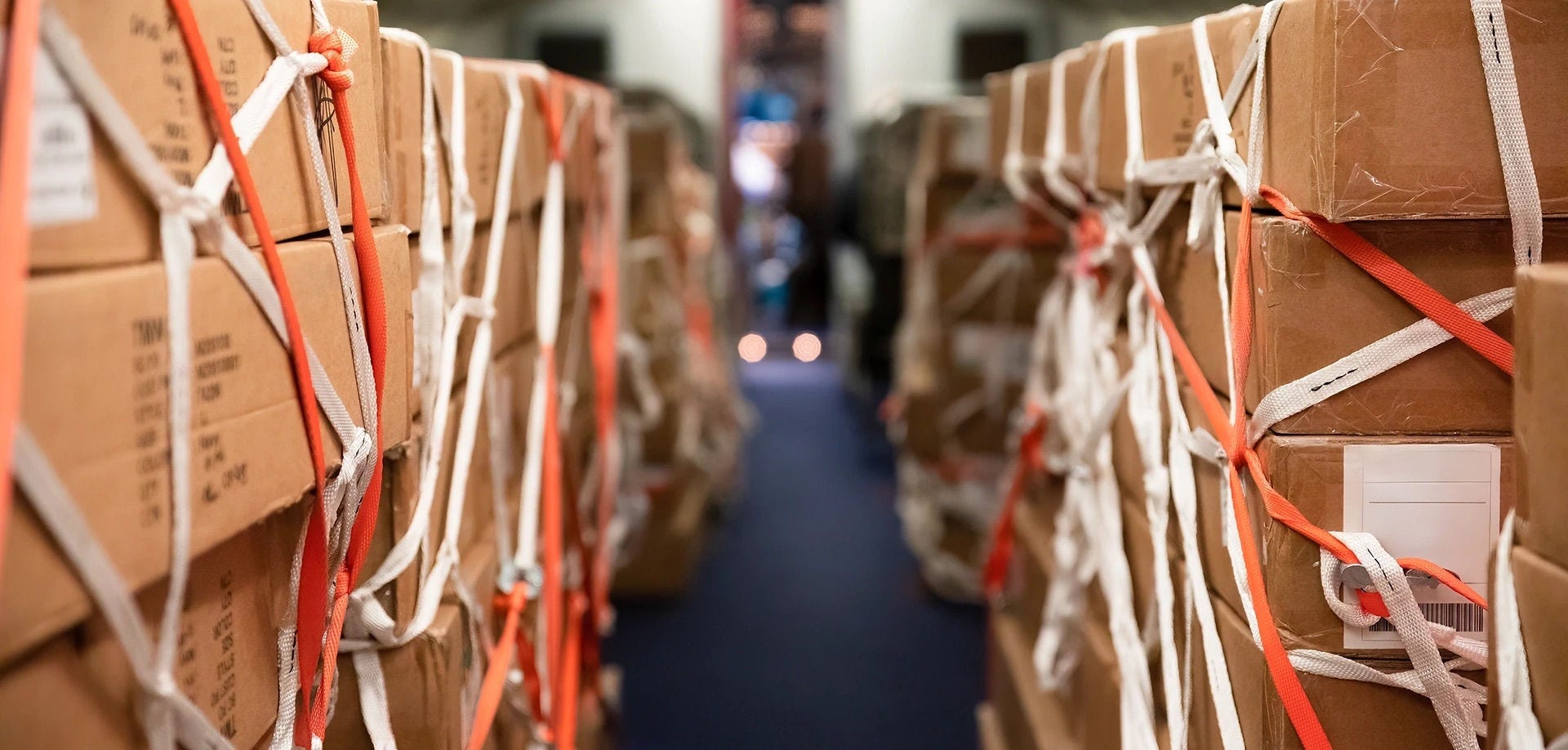
AWB stands for air waybill. It works as a receipt and as evidence of the contract, but it is not negotiable. The cargo is delivered to the named consignee, not to whoever holds the paper.
The international rule is the Montreal Convention, enacted in Brazil by Decree 5,910/2006. It requires the air waybill to be issued in three originals (one for the carrier, one for the consignee and one for the shipper) and makes it, unless proven otherwise, presumptive evidence of the contract, of acceptance of the cargo and of the conditions of carriage (articles 7 and 11).
A useful detail for importers: Brazil's Customs Regulation (article 560) treats the air waybill as equivalent to the commercial invoice when it shows the quantity, type and value of the goods. In practice you will still want the invoice, but the rule shows how much weight the AWB carries at clearance. For the wider picture of the mode, see the guide to air cargo transport in Brazil.
The difference lies in who issues the document and to whom. When a freight forwarder groups shipments from different customers into one load (consolidation), two levels of document appear:
For you as an importer, the house document is the one that counts, because it shows your name as consignee. The master stays between forwarder and carrier. When the forwarder at destination deconsolidates the load, each house document becomes a separate release. The table sorts the acronyms out:
Document | Mode | Issued by | Negotiable? | Who it serves |
BL (bill of lading) | Ocean | Shipping line | Can be, if "to order" | Shipper and consignee |
Sea waybill | Ocean | Shipping line | No | Trades without a letter of credit |
MBL | Ocean | Shipping line | Can be | Consolidating forwarder |
HBL | Ocean | Freight forwarder | Can be | Each customer in the consolidation |
AWB | Air | Airline | No | Shipper and consignee |
MAWB | Air | Airline | No | Consolidating forwarder |
HAWB | Air | Freight forwarder | No | Each customer in the consolidation |
The Incoterm defines where the seller delivers the goods, and the transport document proves that delivery took place. Under FOB, for instance, a "shipped on board" BL shows the cargo is on the vessel, which is the moment risk passes to the buyer.
Under FCA, delivery happens to the carrier named by the buyer, sometimes at a warehouse miles from the port, before any loading. The ICC's 2020 rules let buyer and seller agree that the carrier will issue an on-board bill of lading to the seller, which solves the problem for a seller who needs that BL to get paid under a letter of credit. Details in the guide to the FCA Incoterm.
Match the transport document to the Incoterm before shipment. Correcting it later is possible, but it takes a correction letter from the issuer to customs at the place of unloading (Customs Regulation, article 46), and every correction adds a day of cargo sitting still.
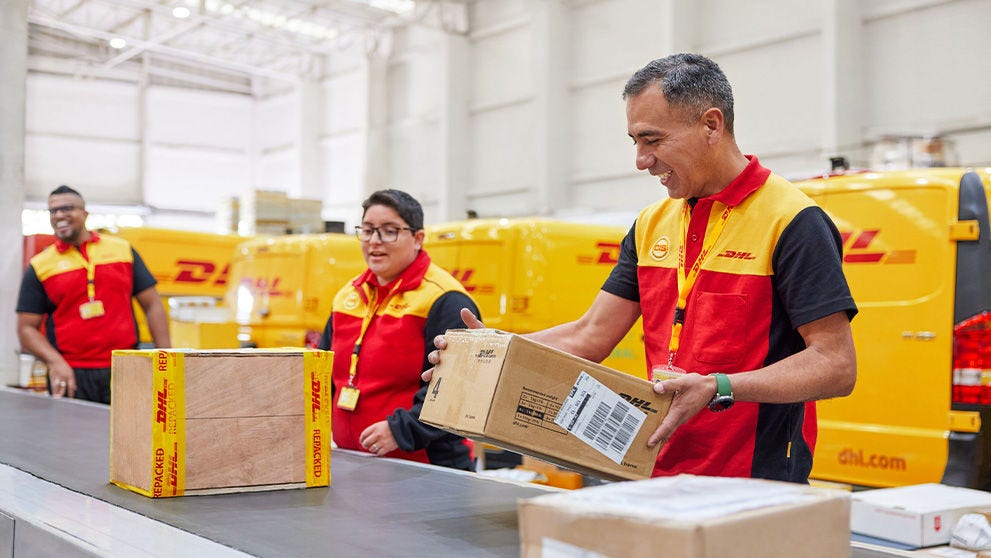
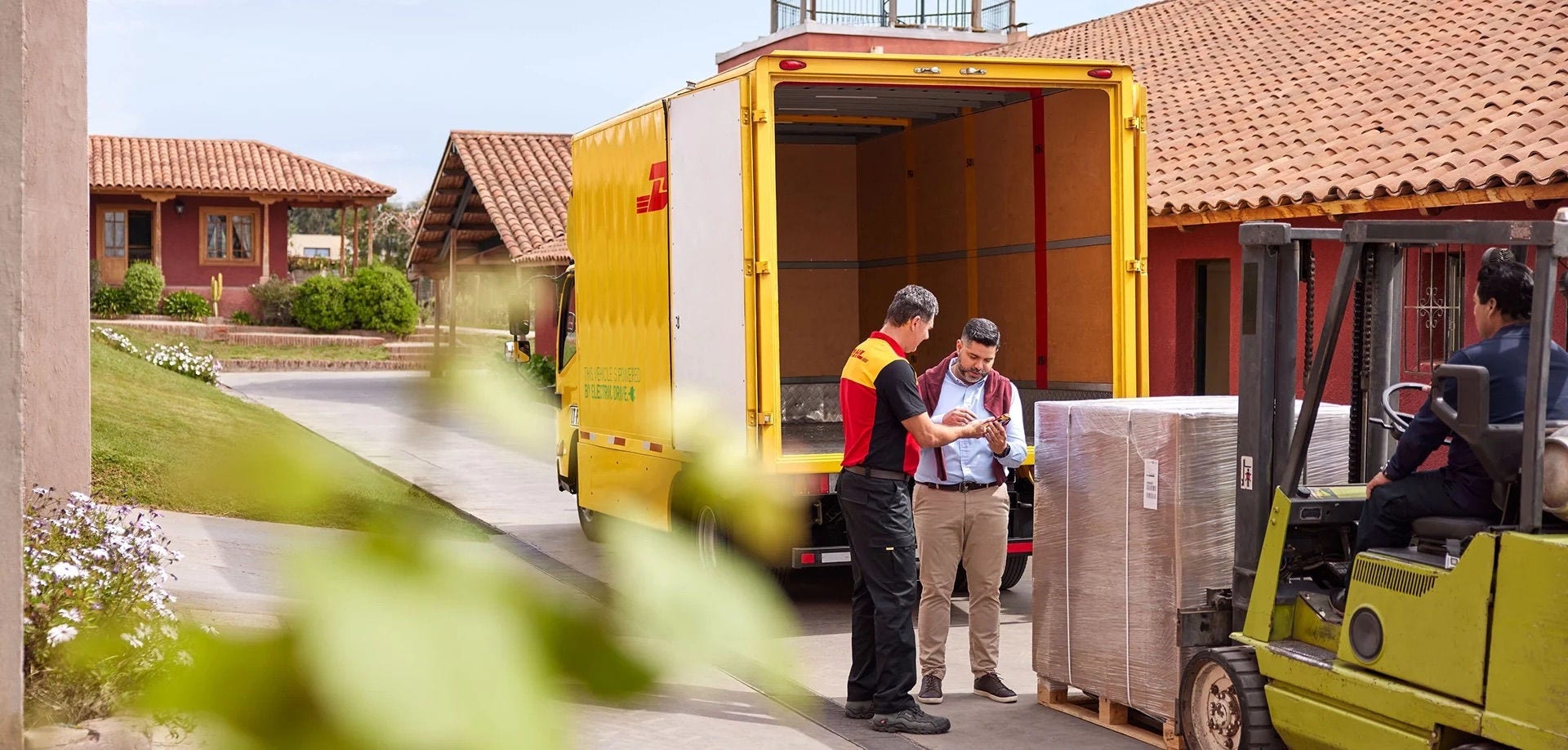
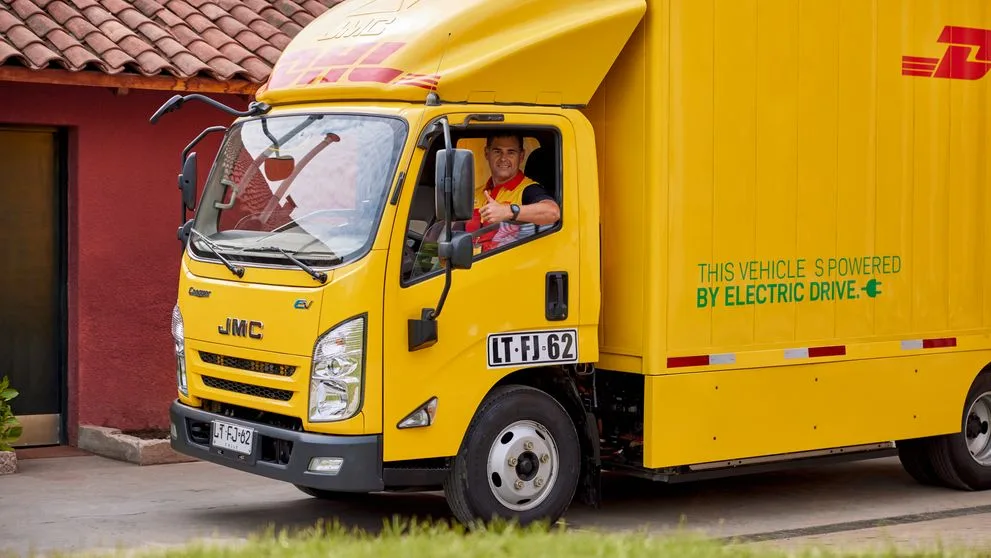
In express shipping, the transport document is the waybill created automatically when you book a shipment on MyDHL+. The number has 10 digits and also works as the tracking number. Source: DHL Express air waybill guide, October 2026.
According to DHL Express, the waybill holds:
The practical difference for an importer is that, in express, the same carrier handles the flight, the clearance and the delivery, and the waybill number follows the shipment from start to finish. To read the status updates along the way, the guide to DHL tracking in Brazil explains each stage.
BL stands for bill of lading, the ocean transport document. It proves the cargo was received on board, records the contract of carriage and, when issued "to order", works as a title that entitles the holder to collect the goods.
An AWB is an air waybill, the air transport document. In conventional air cargo, the AWB number lets you track the load on the airline's system; with DHL Express, the 10-digit waybill number is the tracking code itself.
The transport document records the carriage: who shipped, who receives, how many packages, what weight. The commercial invoice records the sale: what was sold, at what price and on what terms. A Brazilian import declaration needs both.
The freight forwarder that consolidated the shipment. It receives the MAWB from the airline, covering the whole load, and issues a HAWB to each customer, naming the final consignee.
Yes. The Montreal Convention accepts any means that preserves the record of the carriage in place of a paper air waybill, and Brazil's Customs Regulation allows corrections to transport documents to be made electronically.
The right transport document, in the right name and consistent with the invoice, is what separates a quick release from a week of emails. In express shipping, the waybill comes out of the booking itself and tracking uses the same number. If you ship to or from Brazil regularly, open a DHL Express business account and keep paperwork, transport and clearance in one flow.
Share