Commercial exports go through a company registered in Radar. Farmers usually sell through a cooperative or a trading company, or set up a legal entity to export under their own CNPJ.



 Share

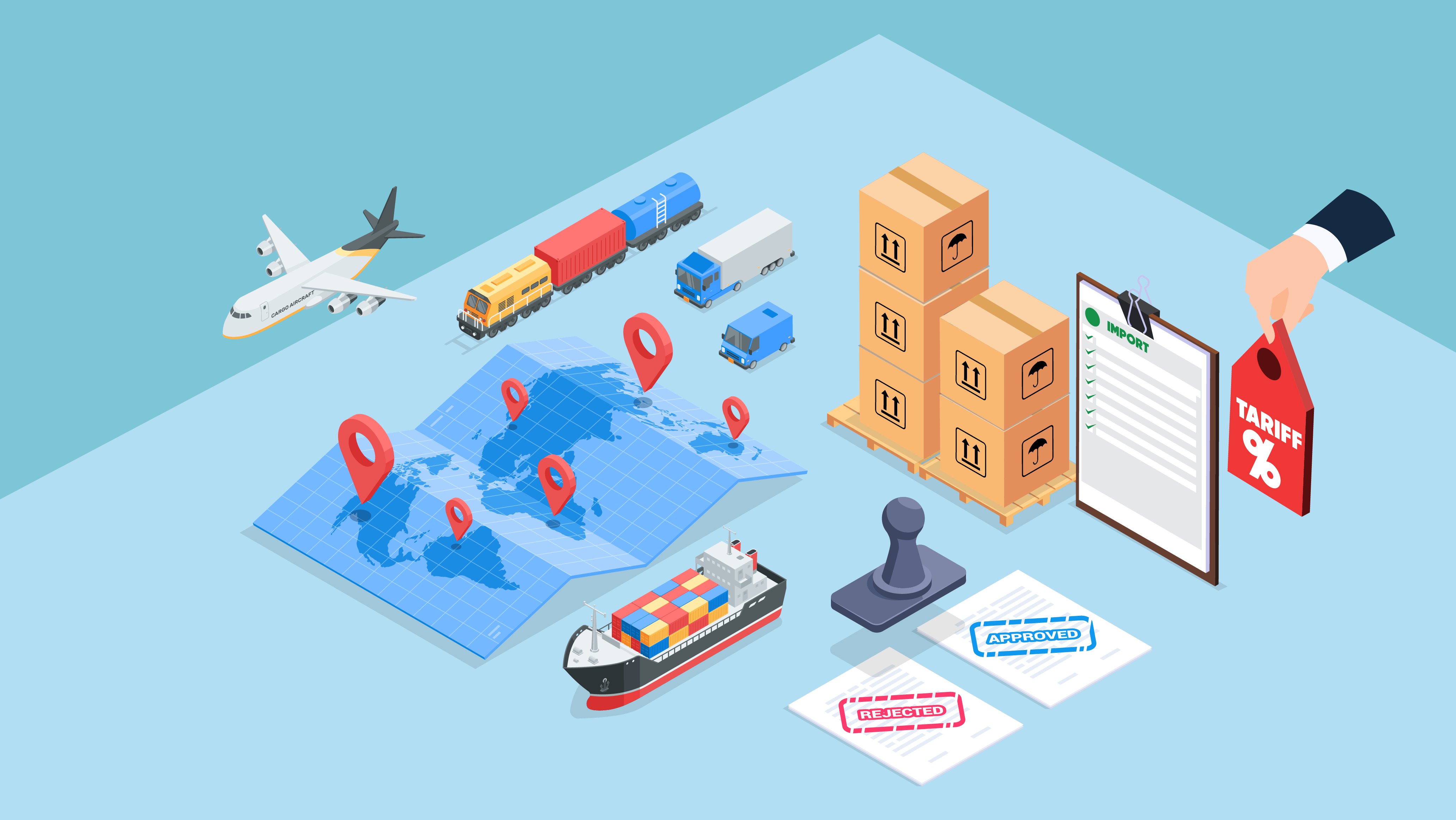
Coffee exports from Brazil require a company registered in Radar (the customs registration for foreign trade), a DU-E export declaration for every shipment, an International Coffee Organization certificate of origin issued by an accredited body, and a phytosanitary certificate from the Ministry of Agriculture when the buyer's country asks for one. Shipments to the EU also need EUDR traceability data.
First-time exporters rarely get stuck on price. They get stuck on paperwork and samples. The roaster on the other side wants to cup the coffee before signing, and every document comes from a different issuer. This guide sets out the right order, from registration to the sample box that leaves by courier.
In 2025, coffee brought in US$14.87 billion in exports, up 31.1% on 2024, from 2.27 million tonnes shipped, 18% less by volume. Coffee accounted for 4.3% of everything Brazil sold abroad that year. Source: MDIC/Secex (Brazil's foreign trade secretariat), consolidated data, October 2026.
The 2025 figures show what happens to an expensive commodity: fewer bags, more dollars. In 2026 the trend reversed. From January to September, coffee exports reached US$9.16 billion, 11.1% below the same period of 2025, according to the same MDIC series.
The ranking of buyers changed too. According to Cecafé, the Brazilian Coffee Exporters Council, Germany overtook the United States as the top destination for Brazilian coffee in 2025, after shipments to the US fell under the additional tariff applied from August to November. For an exporter choosing a first market, Europe weighs more than it did two years ago.
Any company with a CNPJ (Brazilian company tax ID) registered in Radar can export coffee, including cooperatives and producers organised as a legal entity. Registration is done in the Portal Único Siscomex, and the wider process is covered in our guide to exporting from Brazil.
With Radar active, a shipment follows a predictable sequence:
The order matters because the phytosanitary certificate has to be approved before the cargo leaves. Coffee shipped before the Ministry of Agriculture releases it travels without the certificate, and the buyer inherits a problem at their own border.
Most buyers ask for three documents, each from a different issuer. The table shows who issues each one and when it applies.
Document | Issued by | When it applies |
DU-E | The exporter or customs broker, in the Portal Único | Every shipment |
ICO certificate of origin | A body accredited by the ICO (Cecafé and CNC for green coffee) | Every coffee shipment |
Phytosanitary certificate | Ministry of Agriculture, via LPCO | When the destination country requires it |
Preferential certificate of origin | A body authorised under the trade agreement | When the buyer claims a tariff reduction |
Data for EUDR due diligence | The exporter supplies it to the EU importer | Shipments to the EU from 30 December 2026 |
The ICO certificate of origin is specific to coffee. Under the International Coffee Organization list reviewed in 2026, Brazil's certifying bodies are Cecafé and the Conselho Nacional do Café (CNC) for green coffee, the Brazilian Coffee Industry Association (ABIC) and coffee trade associations and centres for roasted and ground coffee, and the Brazilian Soluble Coffee Industry Association (ABICS) for soluble coffee.
Do not confuse it with the certificate that cuts tariffs. The ICO document identifies origin for coffee market statistics; the preferential one only matters when there is a trade agreement with the buyer's country, as explained in our guide to trade agreements and rules of origin in Brazil.
The phytosanitary certificate is issued by Brazil's Ministry of Agriculture and Livestock (MAPA) and confirms that the plant product meets the importing country's plant health requirements. The exporter requests it electronically through the LPCO module of the Portal Único.
Before filing, check Shiva, the ministry's public database of phytosanitary requirements, to see whether the destination requires a certificate for coffee and on what terms. MAPA Ordinance No. 779 of February 2025 made this the standard route for electronic export certification. The certificate is issued as a PDF with a QR code and electronic signature, which makes it easy for the buyer to verify.
Green, roasted and soluble coffee are different products for plant health purposes, and the requirement can change between them and between countries. Check each product and destination combination, not once for the whole company.
The EU deforestation regulation applies from 30 December 2026 to medium and large operators, and coffee is in scope. European buyers will ask for the geolocation of the production plots and proof of no deforestation after 31 December 2020.
For a Brazilian exporter, the job is to have that data ready, lot by lot, from the farm onwards. Deadlines by company size, scope changes and what has to be transmitted are covered in our guide to the EUDR for exports to the European Union.
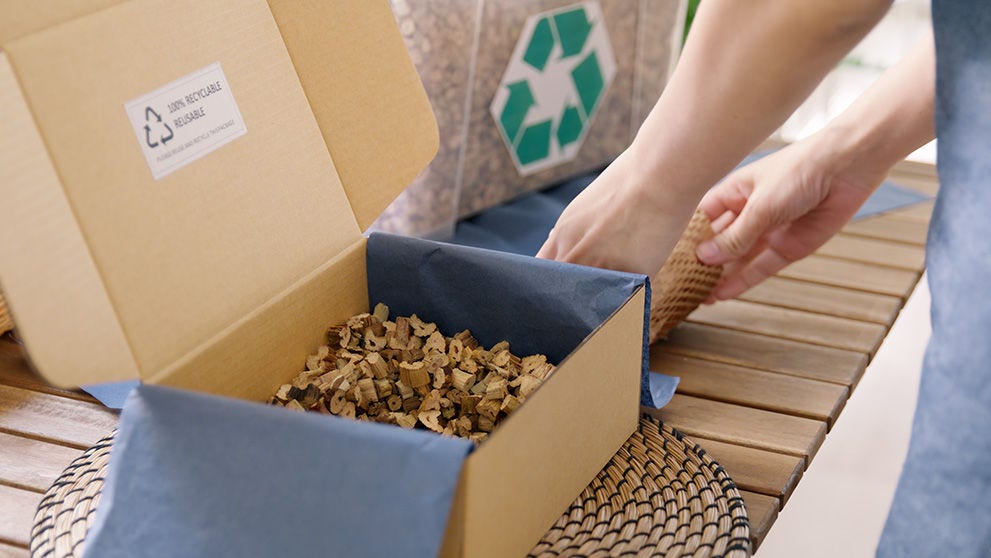
Coffee samples travel by express courier, because the buyer wants to cup within days and the lot can be sold to someone else while the sample is in transit. What keeps a sample from being held is the same care as a commercial shipment, on a smaller scale.
Four points prevent most problems:
Add a short sheet with lot, screen size, moisture and cupping score, if you have one. The buyer will cup your sample next to others on the same table, and a complete sheet saves an email exchange. General rules on what can travel are in our guide to sending gifts, samples and products from Brazil.
Commercial exports go through a company registered in Radar. Farmers usually sell through a cooperative or a trading company, or set up a legal entity to export under their own CNPJ.
That is set by the certifying body. Check the terms directly with Cecafé, CNC or the association that covers your type of coffee.
Not by law. Quality, origin or sustainability labels are commercial requirements set by the buyer and go into the contract, alongside the official shipping documents.
It is the Brazilian Coffee Exporters Council, one of the bodies accredited by the ICO to issue certificates of origin for green coffee. It also publishes monthly reports on the volume, revenue and destinations of Brazil's coffee exports.
In July 2026 the European Commission adopted an act adding soluble coffee to the scope, with application planned from 30 December 2027, one year after green coffee.
Buyers decide by the cup, and the cup depends on the sample arriving fast and intact. Pick the lot, write the sheet, check the destination's requirement and ship with correct paperwork.
If you send samples and lots out of Brazil regularly, open a DHL Express business account and have your international shipping ready for the next sample request.
Share