Yes. Comex is the market's shorthand for comércio exterior, and it appears in job titles, courses and systems such as Comex Stat, MDIC's official trade statistics database.



 Share

Foreign trade in Brazil (comércio exterior, or "comex") is the buying and selling of goods and services between Brazilian companies and partners abroad, under Brazil's customs, tax and foreign exchange rules. Every transaction goes through the Portal Único Siscomex, is controlled by the Receita Federal and follows the trade policy set by the federal government.
For anyone who has never imported or exported, the hard part is not the concept. It is knowing who is in charge of what, which document comes before which, and what has to be ready so the first shipment does not sit at the airport.
Foreign trade is one country's exchange of goods and services with the rest of the world, seen through that country's rules. International trade is the same flow seen from above, as the sum of exchanges between all nations.
The distinction sounds academic, but it has practical weight. When you talk about Brazilian foreign trade, you are talking about Radar, NCM, Siscomex, import taxes and foreign exchange contracts: the requirements your company has to meet in Brazil. In the Brazilian market, people simply call it comex.
Brazil exported US$ 348.3 billion and imported US$ 280.2 billion in 2025, for total trade of US$ 628.5 billion. From January to September 2026, exports reached US$ 284.7 billion, 10.4% above the same period of 2025. Source: MDIC/Secex (Brazil's trade ministry and its foreign trade secretariat), Brazilian foreign trade results, consolidated data, October 2026.
The figure that matters most to a small business is a different one. In 2025 Brazil reached 29,818 exporting companies, the highest number since the series began in 2008, and 11,822 of them were micro or small businesses or individual microentrepreneurs (MEIs). Source: MDIC, Annual Report on Foreign Trade by Company Size, March 2026.
Exporting is not reserved for large manufacturers. Almost 40% of Brazilian exporters are small businesses.
Each agency handles one part of the operation, and knowing whom to turn to saves weeks. The table sums up the main ones.
Player | What it does in practice |
Secex (MDIC) | Sets licensing rules, runs the Portal Único with Receita Federal and publishes official trade statistics |
Receita Federal | Registers companies on Siscomex, controls customs clearance and collects taxes |
Camex and Gecex | Decide import duty rates and trade defence measures |
Banco Central do Brasil | Regulates the foreign exchange market and publishes the PTAX reference rate |
Regulatory agencies (anuentes) | Approve controlled products, such as Anvisa (health), Mapa (agriculture), Inmetro (certification), Ibama (wildlife and flora) and the Army (controlled products) |
Customs broker | Represents the company in clearance when it does not do it itself |
Carrier and freight forwarder | Move the goods and record shipment and arrival data |
The regulatory agencies deserve special attention. If your product needs a licence, permit or certificate (LPCO), release depends on the responsible agency, not only on Receita Federal. Source: Portal Siscomex, LPCO and agency onboarding schedule, June 2025. The guide to import licences in Brazil shows how to find out whether your item needs one.
Every operation, import or export, follows the same backbone: negotiation, documents, transport, clearance and payment. What changes is which side you are on.
On exports, the export invoice generates the DU-E (Single Export Declaration), the cargo is presented at a bonded facility, goes through inspection selection and ships. On imports, the path runs the other way: the cargo arrives, the declaration is registered, taxes are paid and the goods are released.
The core documents are the same in both directions:
Money runs on its own track. Paying a supplier or receiving from a foreign customer goes through a foreign exchange contract with a bank authorised by the Central Bank, at a rate negotiated with that bank. Import taxes, on the other hand, use the conversion rate published on Siscomex, based on PTAX. Those are two different calculations, and the real cost only shows up when you add them together.
For the step-by-step in each direction, see the guides to importing into Brazil and exporting from Brazil.
Start with the product, not the customer. Before looking for a buyer or supplier, you need to know how your item is classified, whether a regulatory agency controls it and what it costs to land it at destination.
The minimum roadmap for a first operation:
A classic beginner's mistake is jumping from step 1 to step 7. The company closes the sale, ships and only finds out at inspection that the NCM required a licence, or that the price did not cover taxes at destination.
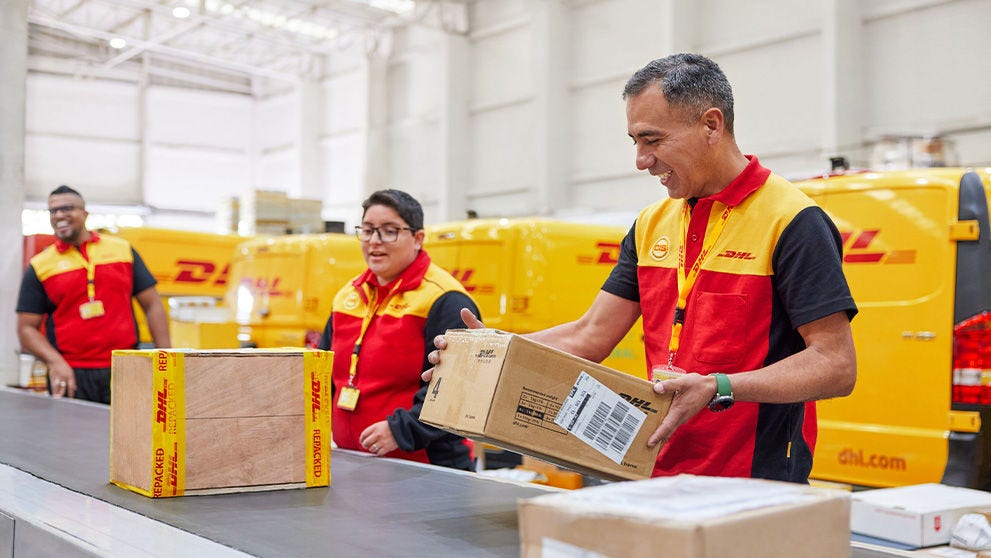
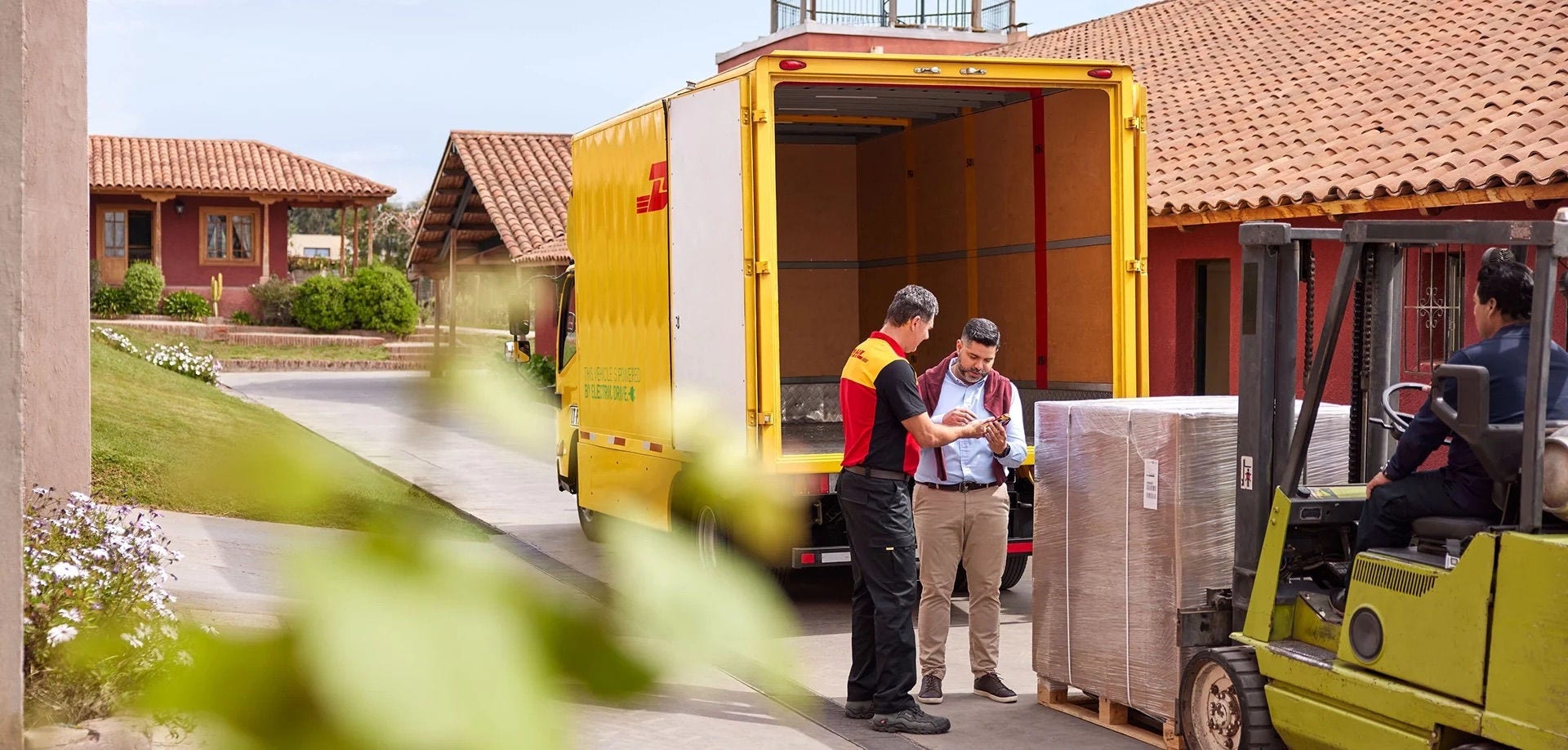
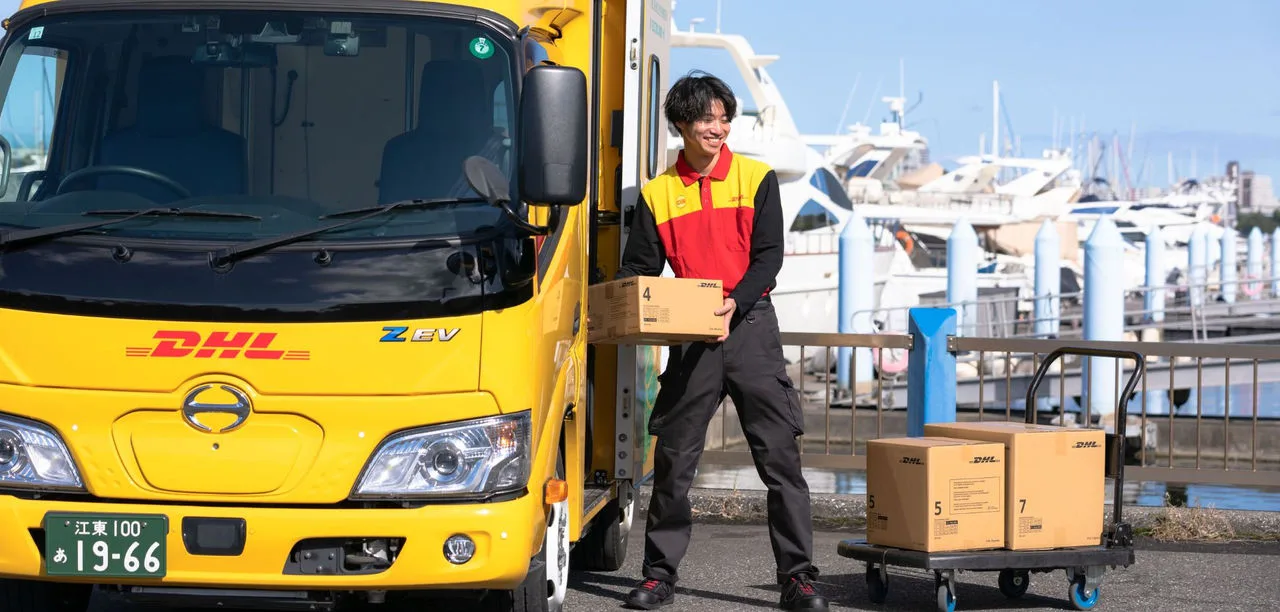
For small volumes, samples and first orders, express shipping is usually the simplest route. The company hands over the goods, the carrier handles transit and, depending on value, clearance, and tracking follows every stage.
For exports with DHL Express, for example, shipments with a customs value of up to US$ 1,000 go through simplified clearance, and above that they move to formal export. On imports, simplified clearance covers shipments of up to US$ 3,000 in customs value. Source: MyDHL+ Brazil, service types, October 2026.
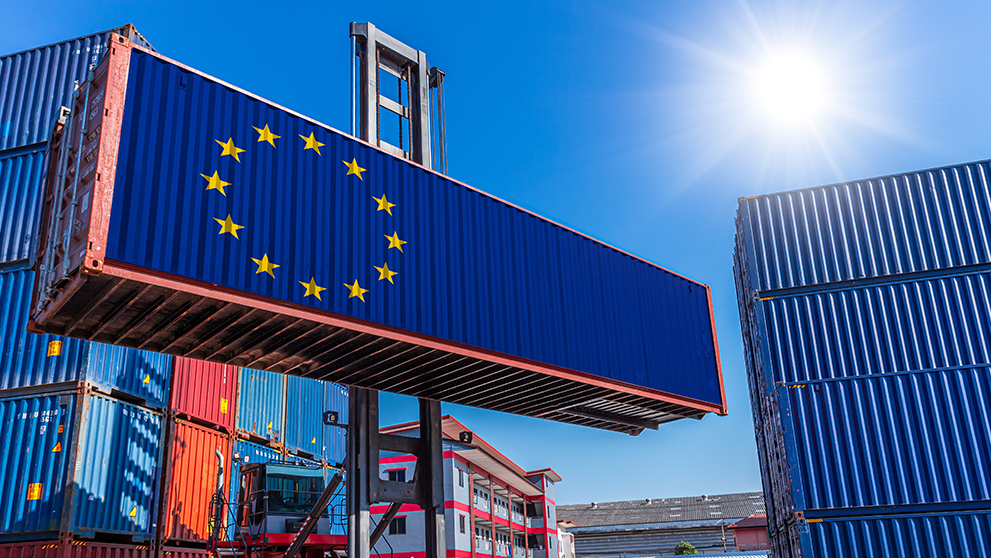
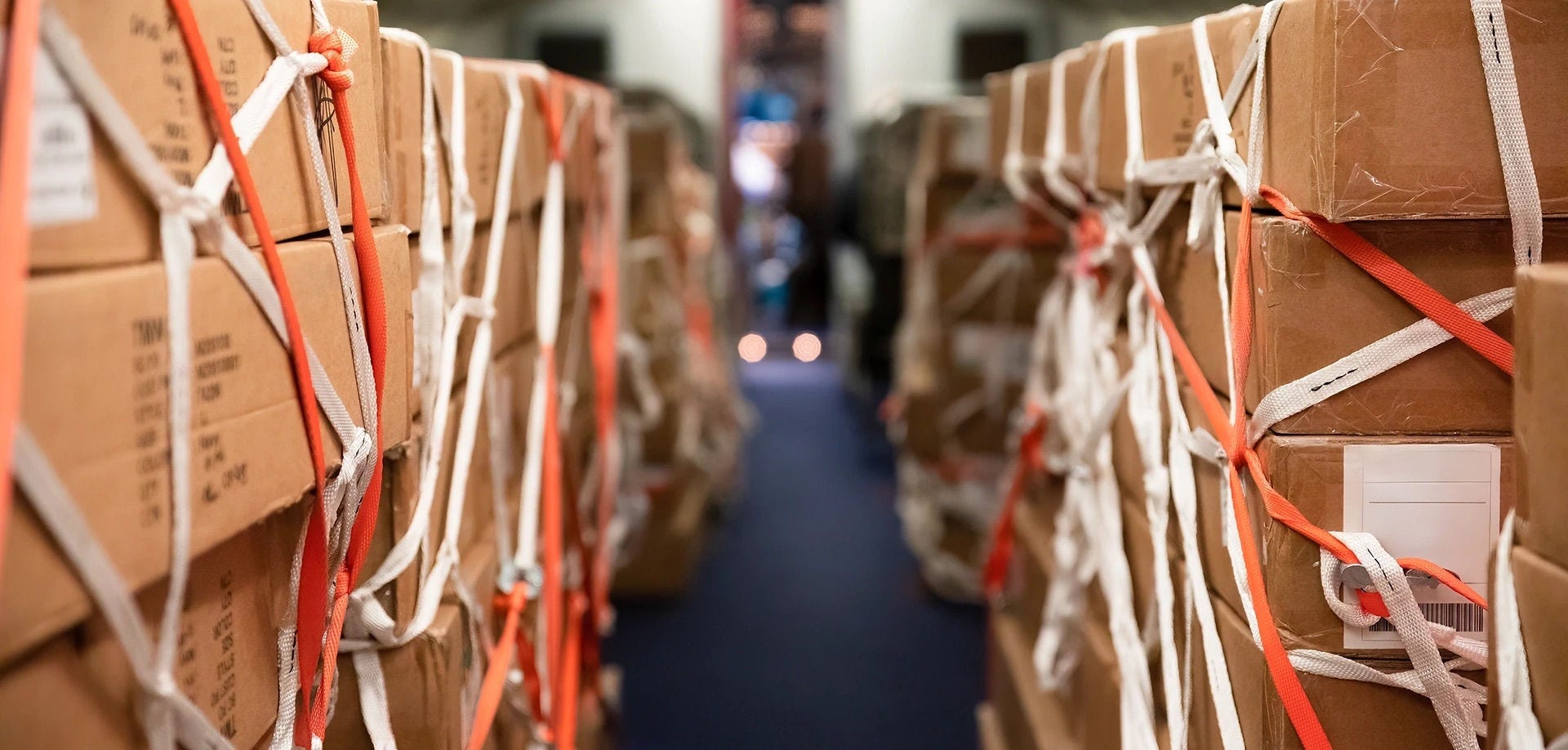
As volume grows, consolidated air cargo and ocean freight come into play, and cost per kilo starts to weigh more than speed.
Yes. Comex is the market's shorthand for comércio exterior, and it appears in job titles, courses and systems such as Comex Stat, MDIC's official trade statistics database.
Both are Portal Único Siscomex declarations, one for each direction. The DU-E records an export based on the invoice; the Duimp is the single import declaration, which brings goods, tax and licence data together in one filing.
It is not mandatory: a registered company can file its own declarations. In practice, newcomers usually hire a broker or use the carrier's clearance service to avoid classification and paperwork errors.
It depends on the category requested and on Receita Federal's review, which may ask for additional documents. Start the registration before closing your first sale, so it does not become the bottleneck of the operation.
It is the difference between what a country exports and what it imports over a period. When exports exceed imports, there is a surplus; in 2025, Brazil's balance was US$ 68.1 billion, according to MDIC.
Foreign trade looks like a maze of acronyms, but a first operation fits into seven steps. With the product classified, the company registered and the total cost calculated, the rest is execution.
If you want to start importing into or exporting from Brazil with express shipping, tracking and clearance support, open a DHL Express business account and get rates and service built for your business.
Share