In practice, yes: CNF and C&F are older or informal abbreviations of "cost and freight". The official Incoterms code is CFR, and using it in the contract avoids arguments about what was agreed.



 Share

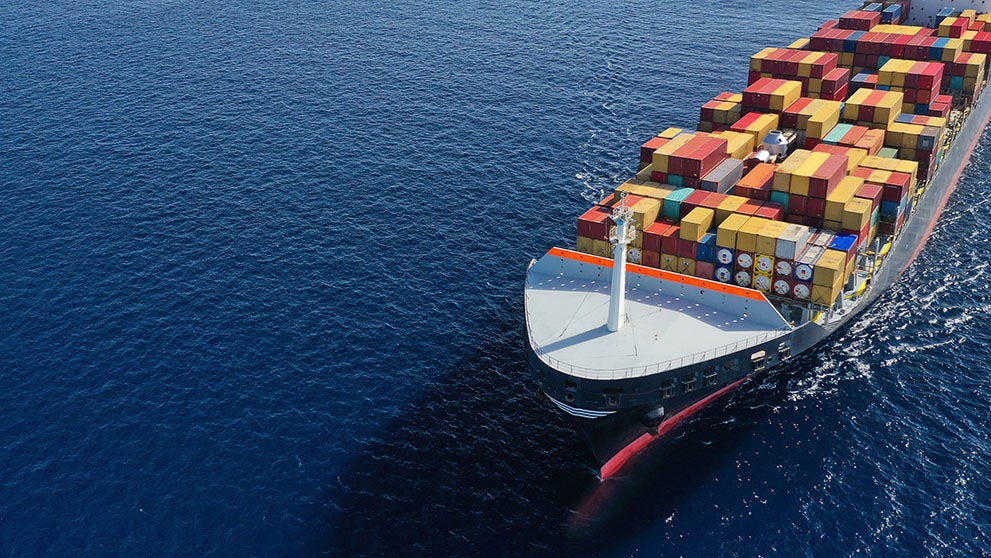
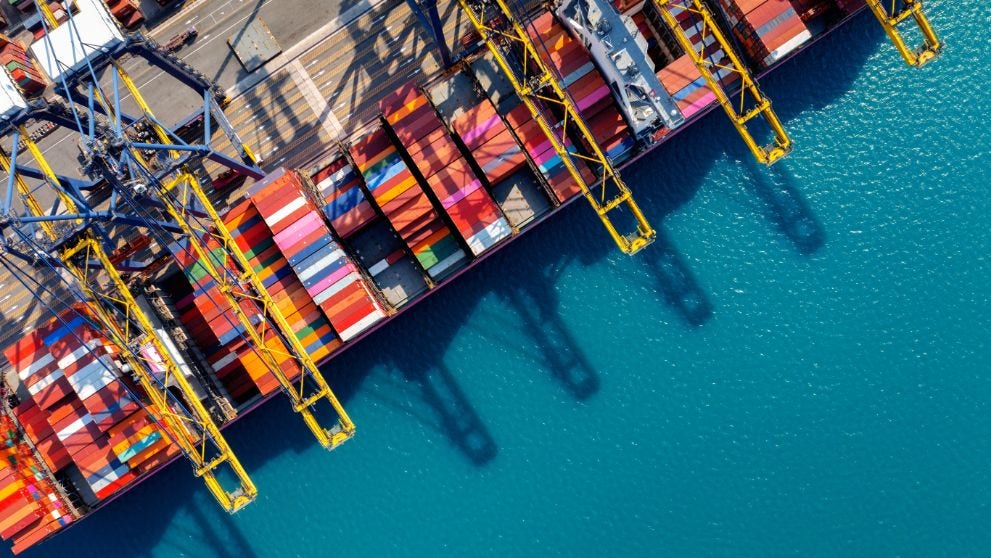
The CFR Incoterm (Cost and Freight) is the rule under which the seller pays sea freight to the port of destination, but risk passes to the buyer once the goods are on board the vessel at the port of shipment. It applies only to sea or inland waterway transport and does not require anyone to buy insurance.
The catch lies in those two separate points. The seller pays for the whole voyage, so many people assume the seller is also liable for the cargo until it arrives. It is not. If the container goes overboard mid-Atlantic, the loss belongs to the buyer, and if nobody bought insurance, nobody gets paid.
CFR is one of the 11 Incoterms rules, the International Chamber of Commerce (ICC) terms that split costs, risks and tasks between seller and buyer. The edition in force is Incoterms 2020, applied since 1 January 2020. Source: ICC, official Incoterms page, October 2026.
In a contract, CFR always comes with the port of destination: "CFR Rotterdam" means the seller books and pays freight to Rotterdam. Our guide to what Incoterms are shows how the 11 rules fit together.
The rule belongs to the "C" group, where the seller pays for main carriage without taking on its risk. It is a family with two different anchors on the map: one for the money, another for the responsibility.
The seller pays everything until the vessel reaches the port of destination; the buyer pays for what happens from unloading onwards, plus insurance if they want any. The table sets out the usual obligations:
Obligation | Seller | Buyer |
Packing and marking | Yes | No |
Export clearance | Yes | No |
Transport to the port and loading on board | Yes | No |
Sea freight to the port of destination | Yes | No |
Cargo insurance during the voyage | Not required | Not required, but bears the loss if damage occurs |
Unloading at the port of destination | Only if included in the freight contract | Yes, in all other cases |
Import clearance and taxes | No | Yes |
Transport from port to final warehouse | No | Yes |
The unloading line causes regular disputes. If the freight contract the seller signed already included unloading charges at destination, the seller cannot bill them to the buyer again. Read the shipping line's quote before you settle on a CFR price.
Risk passes once the goods are on board the vessel at the port of shipment. From then on, loss or damage is the buyer's problem, even though the seller paid the freight.
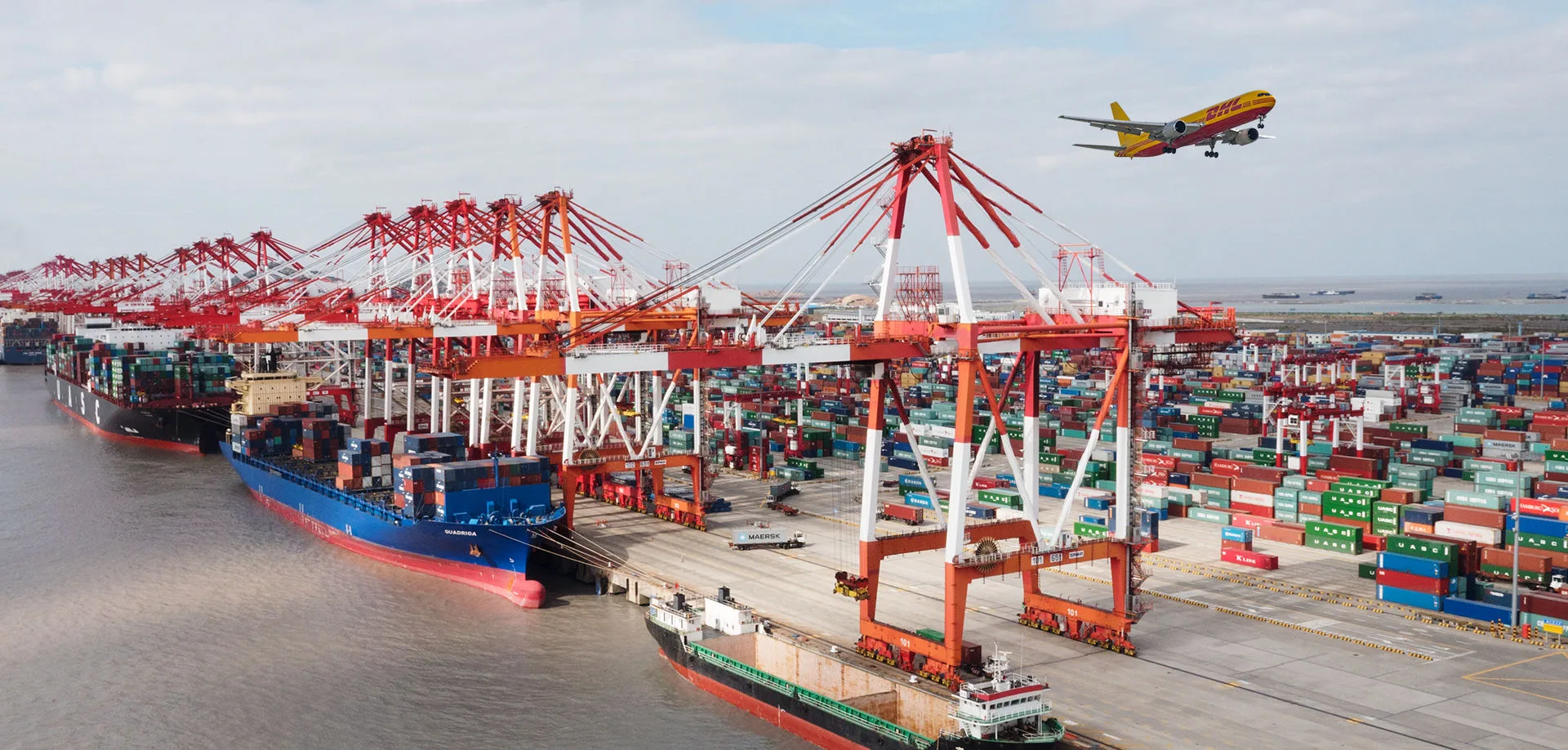
Picture a tile manufacturer in Santa Catarina, in southern Brazil, selling CFR Hamburg and shipping from the port of Itajaí. The cargo goes on board on Tuesday. On Friday, a storm damages some of the containers. The manufacturer fulfilled its obligation on Tuesday; the loss falls on the German importer.
For a Brazilian seller, the delivery moment also has a practical effect: proof of shipment, usually the ocean bill of lading, shows the obligation was met and is often what releases payment.
Under CFR nobody has to insure the cargo, and that is exactly where the risk sits. The buyer sees the freight is paid and assumes the seller insured the goods too. The seller, knowing the risk is no longer theirs after loading, insures nothing.
If you buy CFR, take out cargo insurance with cover starting at the port of shipment, not on arrival. If you sell CFR with payment due only after arrival, consider your own policy: the risk is the buyer's, but a default after a loss is yours.
When importing into Brazil, insurance also feeds into the tax calculation. Under Brazil's Customs Regulation, customs value includes transport cost to the port of unloading, loading, unloading and handling charges up to that point, and the cost of insuring the goods during those operations. Source: Decree 6,759/2009, art. 77, consolidated text on the Planalto website, October 2026. In a CFR purchase, freight is built into the supplier's price and any insurance you buy is added to the base.
All three are sea rules and transfer risk at the same place: on board, at the port of shipment. What changes is who pays freight and insurance.
Rule | Sea freight | Insurance | Risk passes to buyer |
FOB | Buyer | Nobody required | On board, port of shipment |
CFR | Seller | Nobody required | On board, port of shipment |
CIF | Seller | Seller, minimum cover | On board, port of shipment |
Side by side, CFR is the FOB Incoterm with freight moved to the seller, and the CIF Incoterm is CFR with compulsory insurance. If the buyer wants the seller to sort out insurance too, CIF is the route.
Avoid CFR whenever the seller does not load the cargo directly alongside the vessel. The textbook case is the container, handed over at the terminal days before sailing. During that gap the goods have left the seller's hands, but under the rule risk only passes on board, so the seller stays liable for a period it does not control.
For containers and for any mode other than sea, the equivalent rule is the CPT Incoterm, where risk passes on handover to the first carrier. In air freight, CFR simply does not apply.
Where does the rule still make sense? In bulk and break-bulk cargo loaded by the seller itself: grain, ore, steel products.
In practice, yes: CNF and C&F are older or informal abbreviations of "cost and freight". The official Incoterms code is CFR, and using it in the contract avoids arguments about what was agreed.
Yes. Write the rule, the port of destination and the edition, for example "CFR Hamburg, Incoterms 2020". Without the version, each party can claim a different edition with different obligations.
The seller's obligation ends when the cargo is loaded on board by the agreed date, so a delay during the voyage is not, under the rule, a breach by the exporter. If the buyer needs a guaranteed arrival date, that has to be written into the sales contract.
The seller, because the seller books and pays the sea freight. If you are buying and want to choose the shipping line, route or transit time, negotiate FOB, the rule under which freight moves to the buyer.
For bulky sea cargo, CFR does the job. For samples, spare parts and smaller orders that need to arrive in days, express air shipping takes goods door to door from or into Brazil, with clearance and tracking under one responsibility.
To quote and track those shipments in one place, open a DHL Express business account.
Share