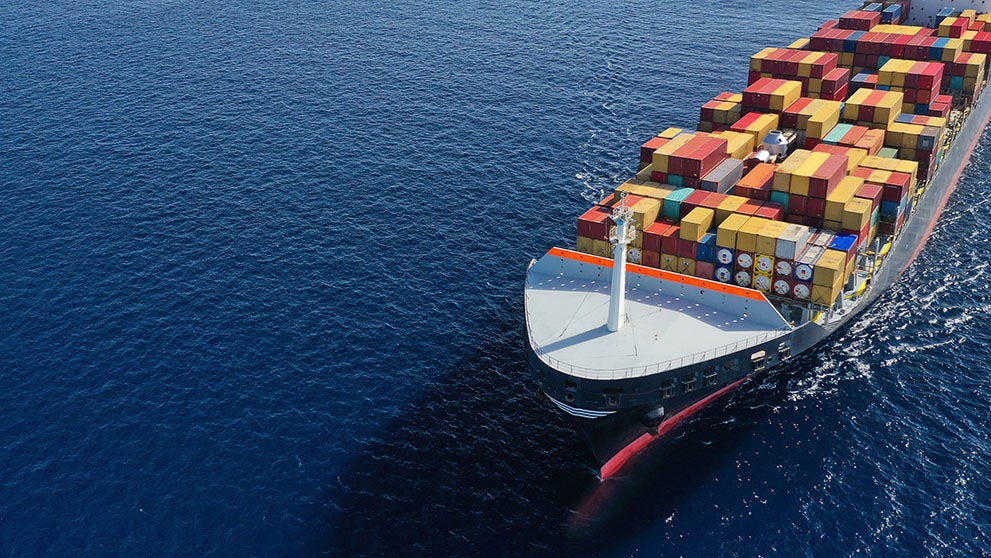
FAS stands for Free Alongside Ship, one of the 11 Incoterms rules published by the International Chamber of Commerce. It sets delivery with the goods alongside the vessel, at the port of shipment, already cleared for export.



 Share

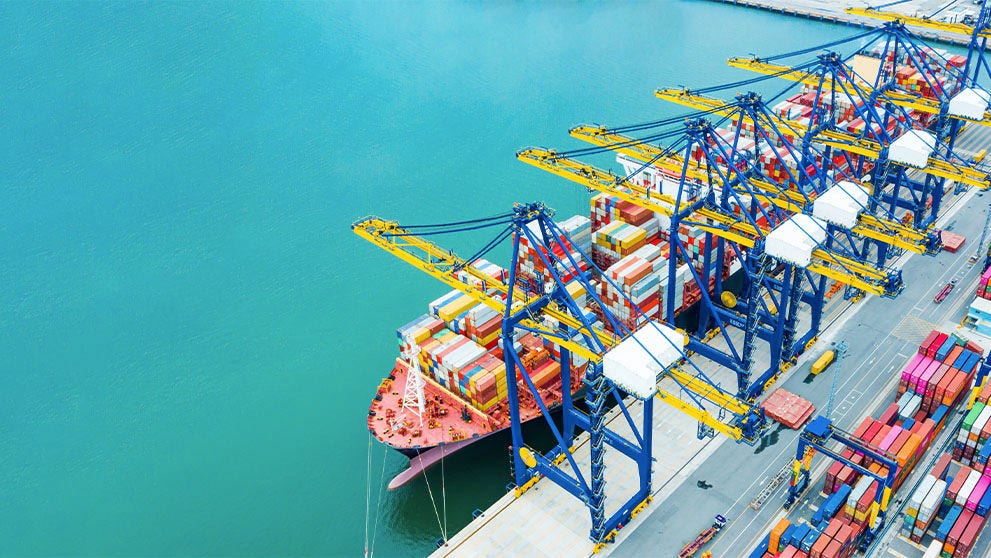
The FAS Incoterm (Free Alongside Ship) requires the seller to place the goods alongside the vessel nominated by the buyer, at the agreed port of shipment, already cleared for export. Risk passes to the buyer at that moment, and loading on board is the buyer's job and cost.
It looks like a detail. A few metres. Yet those metres between the quay and the hold decide who pays for the crane, who answers if the cargo falls into the water and who loses money if the vessel is late. For bulk and project cargo, FAS still works well. For almost everything else, there is a better rule.
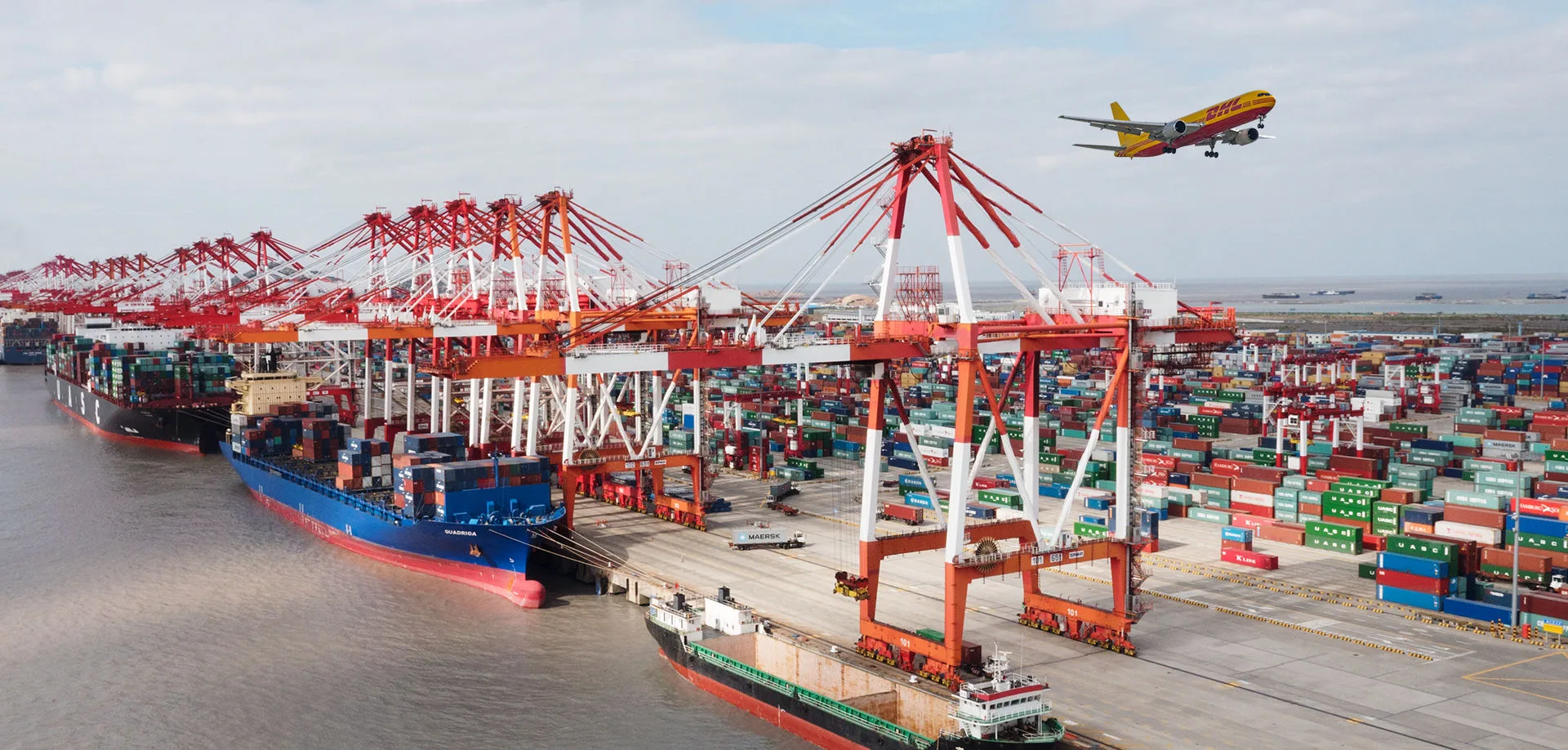
Under FAS, delivery happens when the goods sit next to the ship, on the quay or on a barge, at the loading point the buyer nominated. From then on, loss, damage and costs move to the buyer, who chartered or booked the vessel and pays for loading. Source: ICC Academy, article on FOB and FAS, May 2025.
An ICC example makes it concrete. A Mexican cement producer sold 100,000 tonnes of bulk cement to Indonesia on "FAS Manzanillo, Incoterms 2020" terms. The seller railed the cargo to the port, cleared it for export and left it alongside the ship. The buyer had already contracted the carrier, paid for loading and handled import clearance at destination.
FAS is one of the four rules reserved for sea and inland waterway transport, together with FOB, CFR and CIF. If the goods are not travelling by vessel, it does not apply. For an overview of all 11 rules, see the guide to what Incoterms are.
The seller. Under Incoterms 2020, export clearance in FAS is the seller's obligation. Import clearance, and any customs transit through third countries, belongs to the buyer.
In Brazil, that means the exporter files the DU-E (Declaração Única de Exportação, Brazil's single export declaration) on the Portal Único Siscomex, usually generated from the sale's electronic invoice. The DU-E brings together customs, commercial, tax and logistics data and is the basis of export clearance. Source: Receita Federal (Brazil's federal revenue service), Portal Único export manual.
This brings FAS close to Brazilian reality. Compare it with EXW, where the foreign buyer would have to handle export. According to the ICC report on national regulatory barriers, updated in January 2025, CAMEX Resolution No. 16/2020 leaves export clearance with the Brazilian seller even under EXW, because the foreign buyer lacks the legal capacity to file the export in Brazil.
In the window between arrival at the port and loading. While the cargo waits on the quay, the risk is already the buyer's, even though nothing is on board yet. Rain on bulk cargo, handling damage, theft in the yard: all of it lands on the buyer, provided delivery was made as agreed.
The buyer has one obligation that changes that picture. It must tell the seller, in good time, the vessel's name, the loading point and, where relevant, the chosen date within the agreed period. If the notice never comes, if the vessel is late or if it closes for cargo early, risk and extra costs shift to the buyer from the agreed date. Source: ICC Academy, May 2025.
On the other side, the seller must notify the buyer as soon as delivery happens, or if the vessel fails to take the goods in time. Keep these notices in writing. In a dispute over who pays demurrage, they decide the case.
Everything that happens until the cargo reaches the ship's side. When you build the price, add these costs to the value of the goods:
What comes next (loading, ocean freight, voyage insurance, unloading and import) is the buyer's. The usual grey area is handling inside the port, because every terminal charges differently. Write into the contract who pays each step and attach the terminal's tariff.
All three share the same logic: the buyer books the main carriage and the seller delivers at origin. What changes is the exact delivery point and, with it, who pays for loading. The table below summarises the split based on the ICC text.
Criterion | FAS | FOB | FCA |
Delivery point | Alongside the ship, at the port | On board the ship, at the port | To the carrier, at the agreed place |
Loading on board | Buyer pays | Seller pays | Depends on the place of delivery |
Transport mode | Sea and inland waterway only | Sea and inland waterway only | Any |
Typical use | Bulk, project cargo, vehicles | Bulk and general cargo loaded on the ship | Containers, air cargo, road freight |
The difference between FAS and FOB is the ship's rail. Under FOB, the seller pays for loading and only sheds risk once the cargo is on board; details are in the guide to the FOB Incoterm in Brazil.
Because containerised cargo is almost never delivered "alongside the ship". The exporter drops the container at a terminal days before berthing, and the port operator moves it to the vessel. Under an FAS contract, the seller would keep the risk on a container it no longer controls.
The ICC itself recommends FCA in these cases, with delivery at the container terminal. FCA is also the rule for air and road shipments, and the full logic is in the guide to the FCA Incoterm in Brazil.
In three situations, following the logic of the rule and the ICC examples:
Before signing on FAS terms, confirm four points:
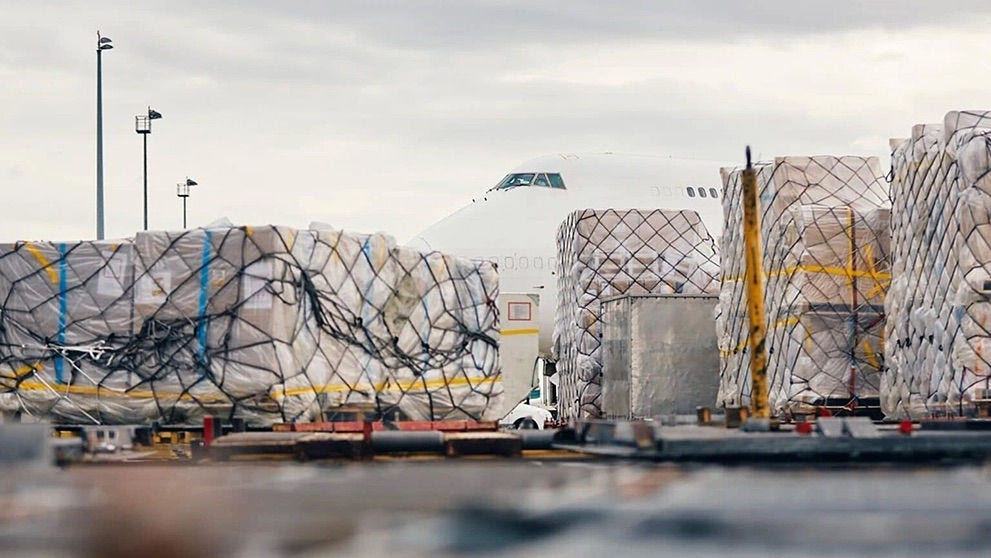
If you ship heavy parts but not whole shiploads, air freight for heavy cargo may be the way out. The guide to heavy freight shipping in Brazil compares the options.
FAS stands for Free Alongside Ship, one of the 11 Incoterms rules published by the International Chamber of Commerce. It sets delivery with the goods alongside the vessel, at the port of shipment, already cleared for export.
The buyer. It books the vessel and pays carriage from the port of shipment to destination, plus loading on board.
No. Neither party is obliged to buy insurance under FAS. Because risk passes to the buyer alongside the ship, the buyer usually insures the cargo from that point.
No. The rule was written only for sea and inland waterway transport. For air cargo, the equivalent rule is FCA, with delivery to the carrier at the airport terminal.
FAS contracts usually travel with smaller shipments: samples for batch approval, original documents, spare parts that cannot wait for the next berthing. For these, door-to-door express transport from Brazil, with export clearance handled by the courier, cuts weeks of waiting.
To quote these shipments and manage export paperwork in one place, open a DHL Express business account.
Share