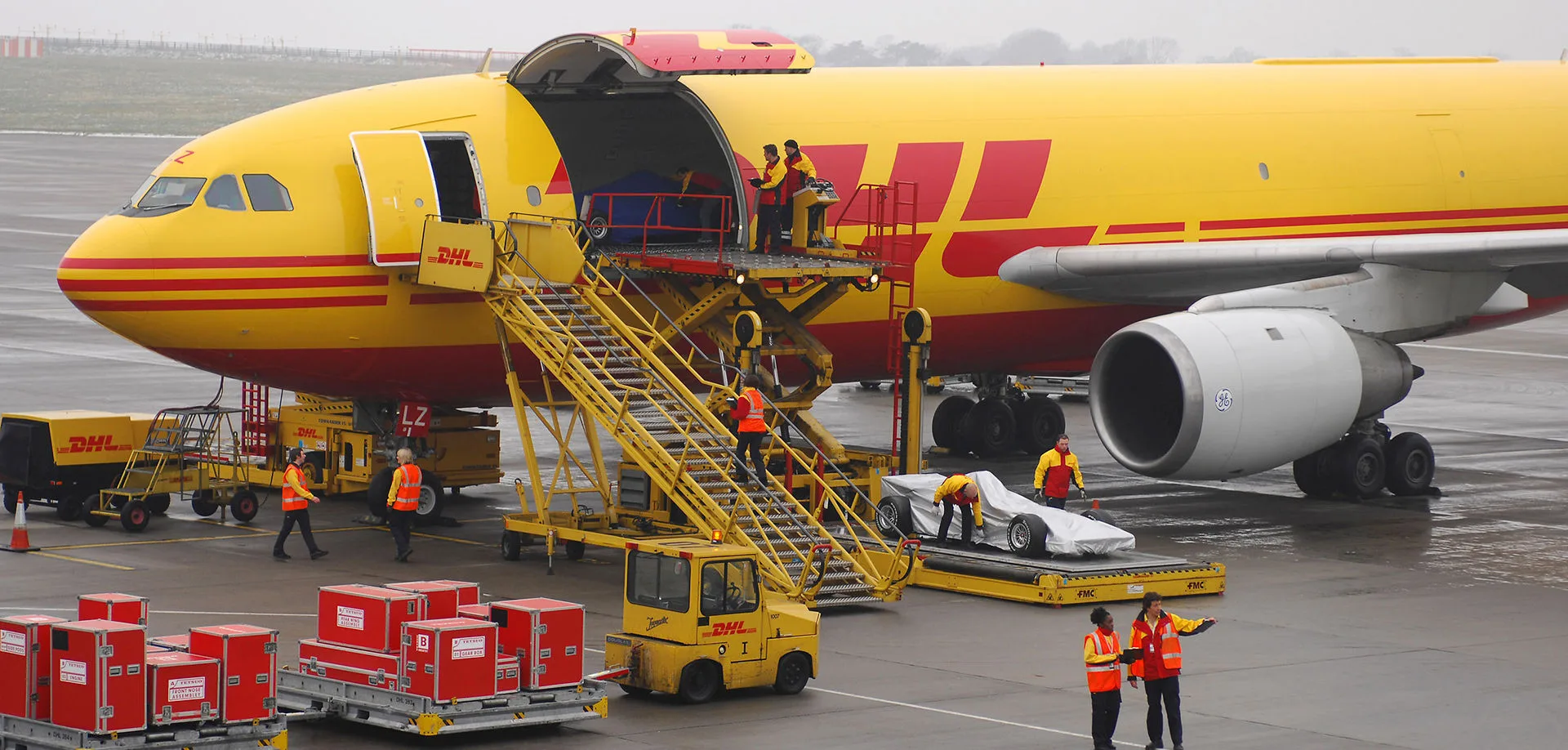
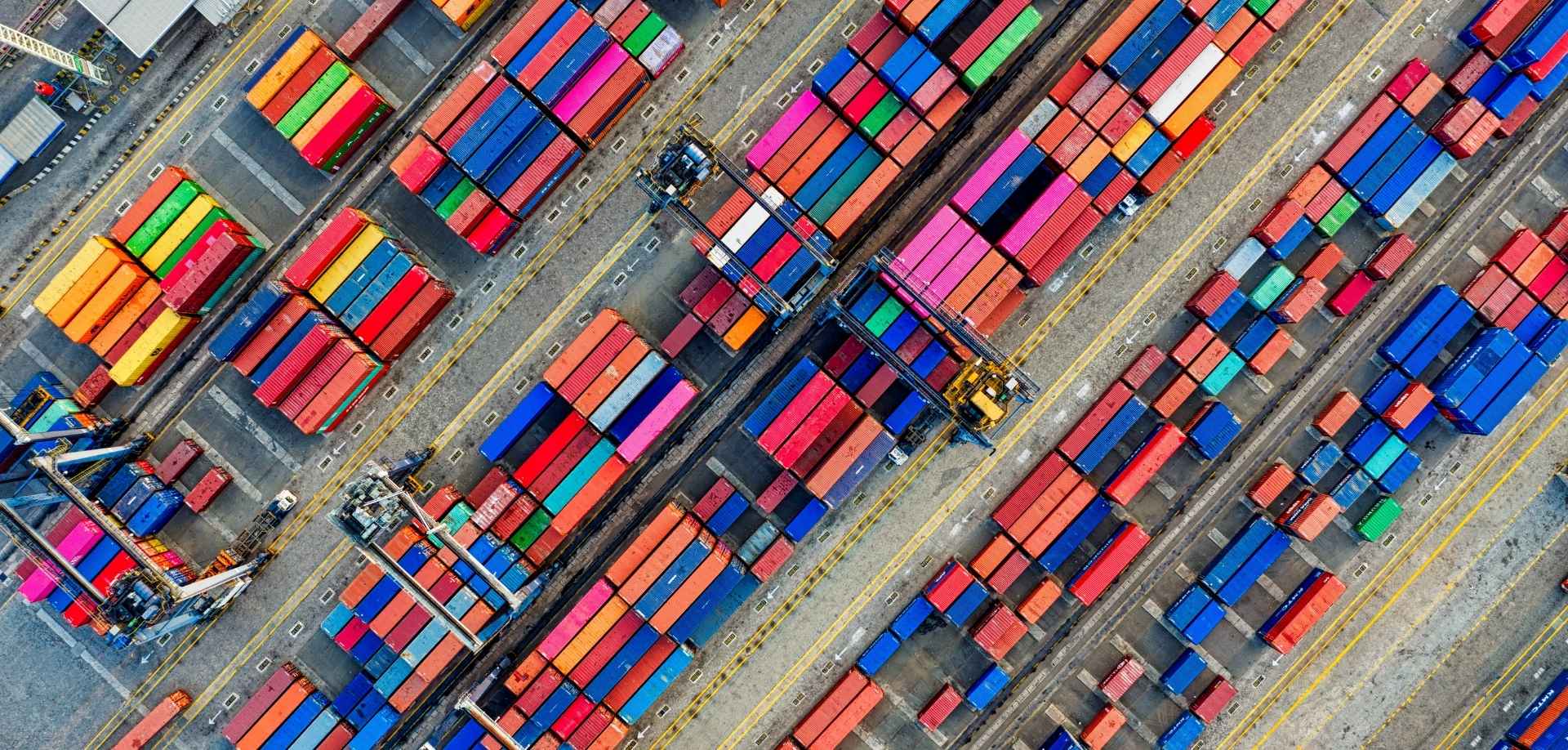
The strategy keeps suppliers in China and adds at least one more country for production or sourcing. The goal is to reduce the risk of depending on a single origin.


 Share

Quick summary
The China Plus One strategy is the decision to keep suppliers in China and add at least one more country for production or sourcing, so that a delay, a new tariff or a closed port does not stop your business. For a company in Brazil, it starts with the items that weigh most on revenue and ends with a purchasing plan built on two tested origins.
This is not a theoretical topic for Brazilian importers. According to Secex, the foreign trade secretariat of Brazil's Ministry of Development, Industry, Trade and Services (MDIC), imports from China grew 11.5% in 2025. The more your purchasing list is concentrated in one country, the harder any shock abroad hits your stock at home.
Think of it as a way of organizing the supply chain around China plus one country, rather than China or another country. You keep the Chinese supplier that works and build a second source elsewhere, for part of the volume or for the items you cannot run out of.
The term was born among U.S. and European companies that had concentrated almost all production in China and watched the risk grow with tariffs, factory shutdowns and freight bottlenecks. The logic works for any importer, though, including a small Brazilian business that buys components, packaging or finished goods from a single industrial hub.
In practice, China Plus One is risk management applied to the supply chain. You pay a little more in purchasing effort.
In return, you gain room to maneuver when something goes off script, and that day always comes.
Because the trade map changed quickly and the cost of relying on one route became visible. Three shifts explain the moment.
The first is the separation between the United States and China. According to the October 2026 DHL Globalization Tracker, direct trade between the two countries fell from 3.5% of world trade in 2015 to 1.6% in the first five months of 2026.
The second is that supply chains do not disappear, they change address. The same report shows that goods bought from third countries carry more and more Chinese inputs.
The third is happening inside Asia, which has become more focused on itself: the share of Asian trade that stays within the region rose from 57% in 2025 to 60% in early 2026.
For Brazil, the message cuts both ways. As an importer, you gain sourcing options. As an exporter, the country comes onto the radar of buyers who are also looking for a second supplier. The full reading of the data is in our article on the DHL Globalization Tracker.
China Plus One buys resilience. And resilience has a price. Put both sides on the same table before you decide:
Benefits | Challenges |
Lower risk of disruption when a country, a port or a supplier stops | Cost and time to find, audit and approve the new supplier |
Bargaining power with two suppliers competing for your order | Uneven quality in the first batches, which calls for inspection |
Access to origins with trade agreements and lower tariffs in Brazil | New paperwork: certificate of origin, licences and producer registration |
Alternative lead times when the main route is congested | Split volume, which can shrink the scale discount |
The break-even point shows up when you compare the landed cost of both origins, not the factory price. Freight, insurance, taxes and replenishment time change the math more than the unit price.
More than the address on the invoice. The tax classification stays the same, because the NCM code describes the goods, not their origin. Everything else may change:
A common example: a store that buys phone cases from a manufacturer in Shenzhen starts testing a second supplier in Vietnam. The NCM is the same, but the invoice, the certificate of origin, the transit time and the freight cost are different, and each of them goes into the cost sheet.
There is no single right destination. The choice depends on what you buy, how much lead time matters and which trade agreement Brazil has with that origin. The most sought-after profiles are:
Before you visit any trade fair, use Comex Stat to see which countries Brazil already imports your NCM from, in what volume and at what average price. That is the cheapest shortcut to tell a real origin from a catalogue promise.
Yes. That is the other half of the story.
Buyers in the United States, Europe and Asia who diversify suppliers look for countries with an industrial base, their own raw materials and access to trade agreements. Brazil has all three in sectors such as food, pulp, metals and auto parts.
Brazilian foreign trade already operates at scale: according to Secex/MDIC, exports reached a record US$ 348.7 billion in 2025. If you export, it is worth reviewing how you present your company to a buyer looking for a second supplier: production lead time, certifications, the ability to send samples quickly and documents in order. The step-by-step guide to exporting from Brazil covers the operational side.
A sample that arrives quickly often decides the approval. Whoever takes weeks to send a prototype usually loses the slot to whoever ships by express.
A China Plus One plan is built in stages. Nobody needs to replace half the supply chain at once, and the small test is what prevents the big loss:
In step five, the Incoterm matters: one supplier may sell FOB at an Asian port and another FCA at its own warehouse. The Incoterms guide helps you standardize what each one delivers.
In a China Plus One project, the costliest mistakes repeat from company to company. Review this list before you sign the first order:
If the operation grows more complex, a freight forwarder and a customs broker help coordinate routes and documents from different origins.
The strategy keeps suppliers in China and adds at least one more country for production or sourcing. The goal is to reduce the risk of depending on a single origin.
No. China stays in the supply chain as the main or a partial supplier. What changes is that at least part of the volume, or the most critical items, gets a second tested origin.
No. The NCM classifies the goods, not their origin. What may change is the tariff applied, the need for a certificate of origin, licences and any anti-dumping duties.
It can, when the country has a trade agreement with Mercosur and the origin is proven by a certificate of origin. That is the case with the interim agreement with the European Union, applied since 1 May 2026.
With Comex Stat, from Brazil's MDIC. It shows which countries Brazil imports each NCM from, in what volume and at what average price, which helps you find origins with real scale.
Yes, starting with a few items. A pilot batch from a second supplier, sent by express, lets you test quality and lead time without straining cash flow.
Diversifying suppliers takes fast samples, documents in order and visibility of every shipment. With a DHL Express account, your business ships to and receives from more than 220 countries and territories, with customs specialists who support shipments from different origins.
Share