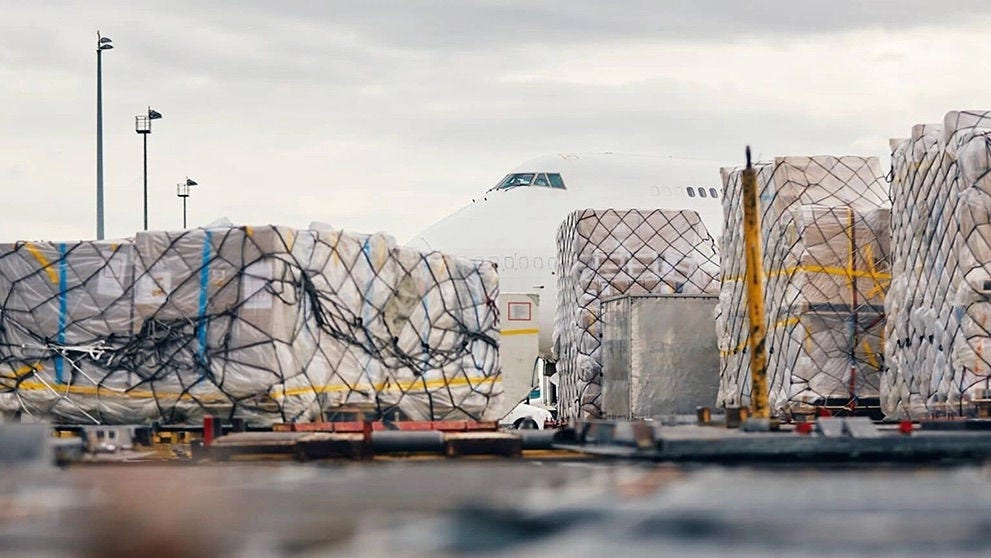
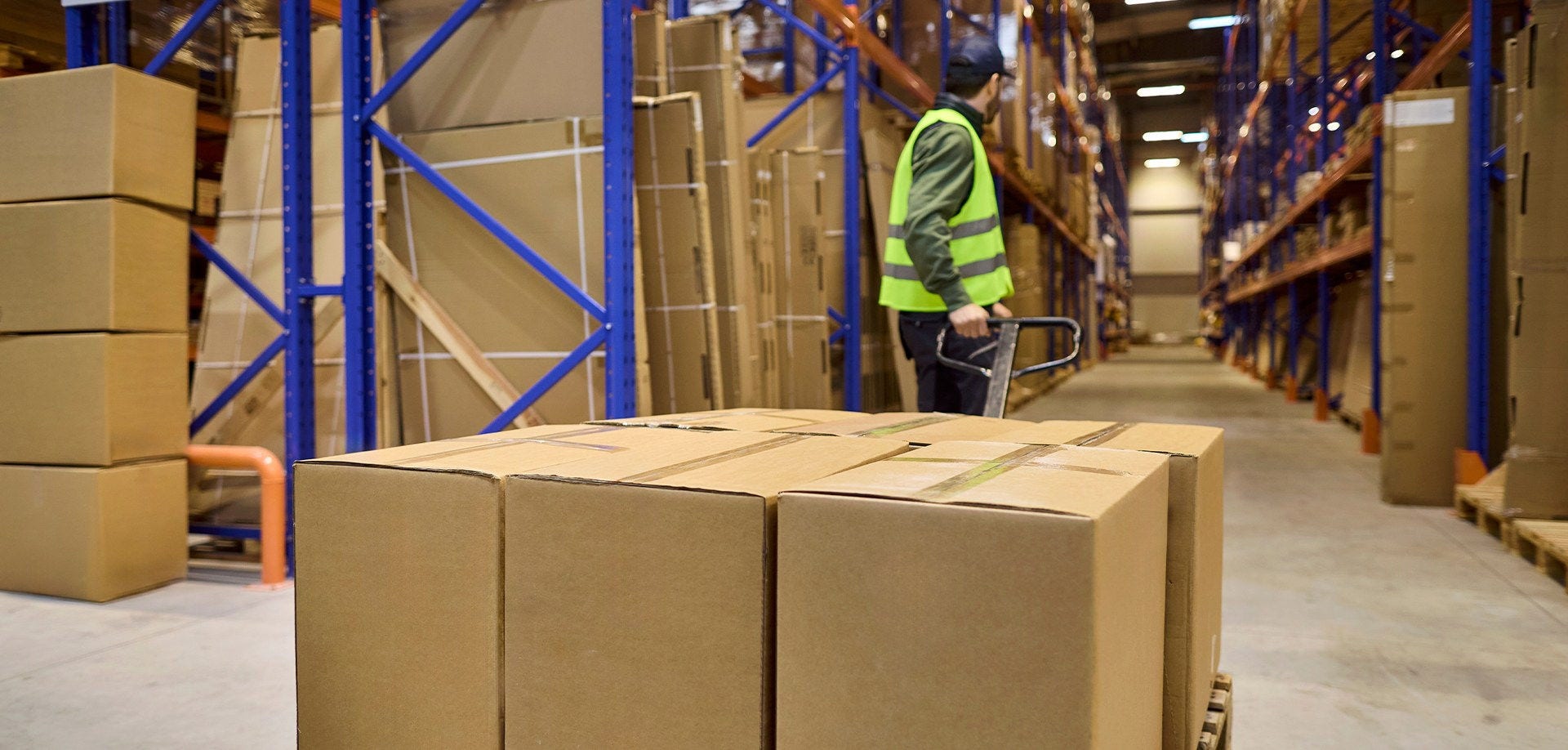
It is cargo that arrives with physical damage: torn packaging, broken, dented, wet or missing parts. Damage can be visible on the packaging or concealed, found only when the piece is opened.



 Share

Quick summary
Freight damage is any physical harm goods suffer between pickup and delivery: breakage, dents, moisture, loose parts. On heavy shipments it usually starts before dispatch, with an unstable pallet, a box too weak for the weight or a document that does not match the cargo. That is why prevention starts in the warehouse, not on the truck.
If you ship machinery, moulds, spare parts or palletized batches, you know the cost of damaged freight goes far beyond the repair. It is the line that stops, the technician who travels for nothing, the contract penalty. This guide shows where damage and delays begin, what to check before pickup and what to do if the cargo arrives damaged.
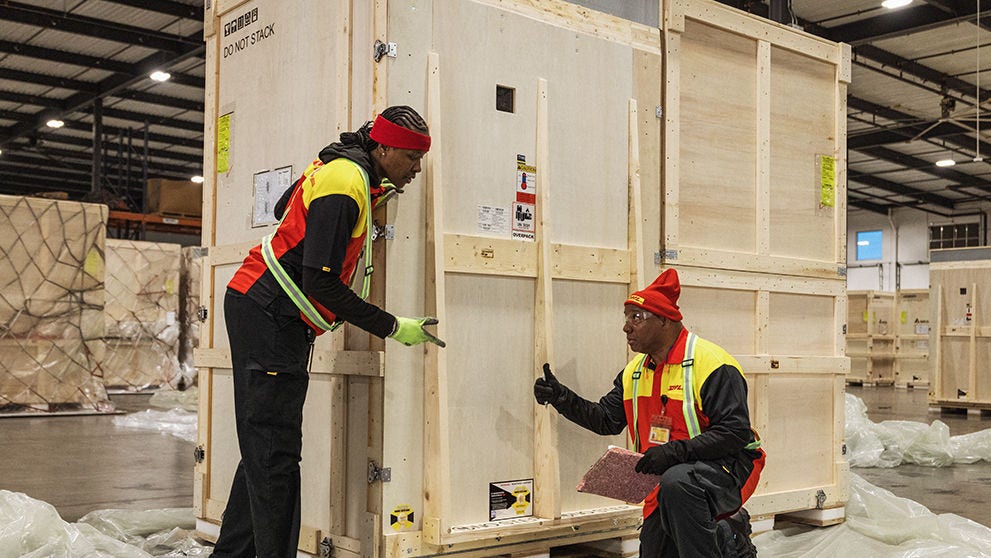
Because heavy cargo goes through more hands and more machines than a standard parcel. Every forklift, loading dock and sorting hub tests the build that left your warehouse. A pallet that wobbles a little at dispatch reaches its third handling wobbling a lot more.
The pattern repeats: the problem is hardly ever one big, isolated failure. It is a sequence of details that add up along the way. An unstable load needs rework. Rework means waiting. And waiting, on a shipment with an installation date, becomes a delay for the end customer.
The good news is that almost all of this is under your control. Building the pallet has its own guide: the step by step on how to palletize cargo covers pallet choice, stacking and securing. Here the focus is on what derails a shipment even when the pallet looks well built.
The causes fall into four areas: the cargo itself, the packaging, the handling and the information that travels with the shipment. The table below sets out what comes up most often on heavy shipments and where each problem tends to surface.
Cause | Where the problem shows up | How to prevent it |
Unstable pallet or badly distributed weight | On the first forklift move | Heaviest items at the bottom, aligned columns, load strapped to the pallet |
Goods overhanging the pallet edge | During handling and stacking at the dock | Build within the pallet footprint, with edge protectors on the corners |
Packaging too weak for the weight | During stacking and road vibration | Box or crate sized for the real weight, with no empty space inside |
Wet, broken or untreated pallet | At loading and, for exports, at destination inspection | Sound pallet and, if wooden, treated to the ISPM 15 standard |
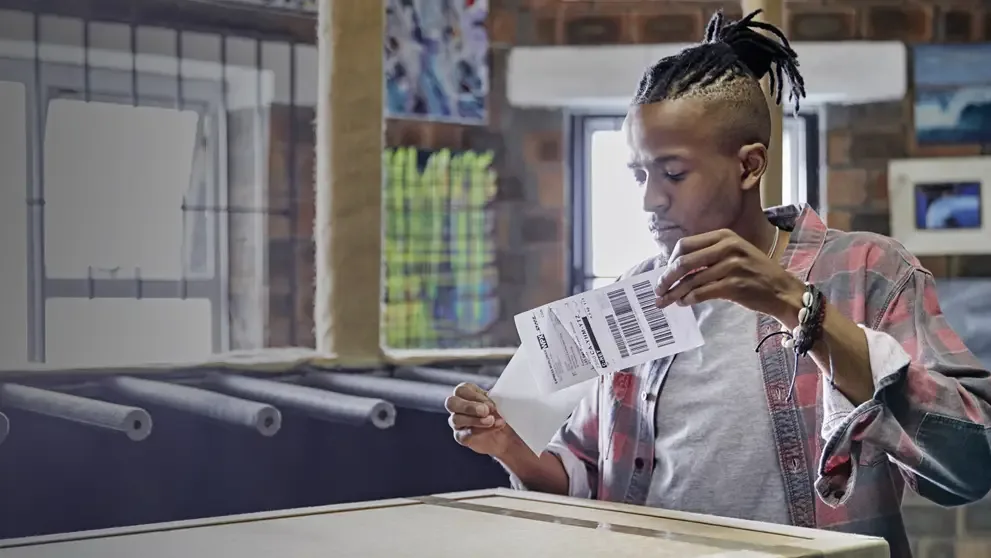
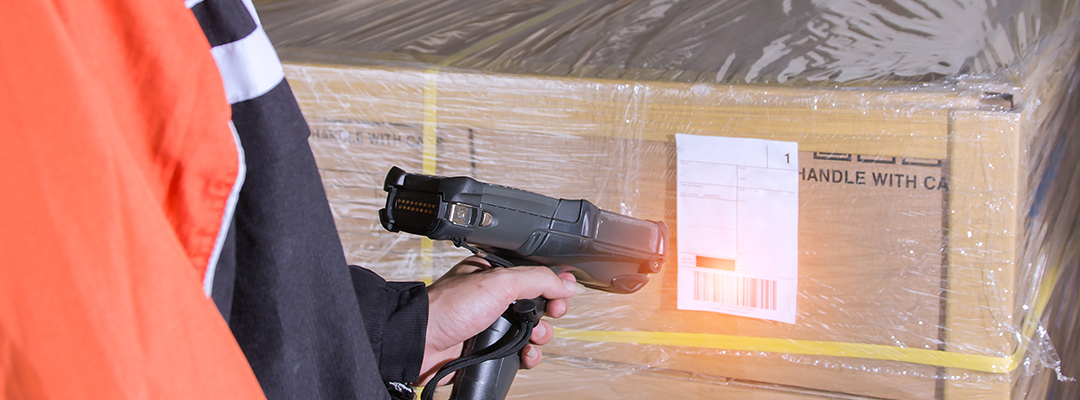
Label hidden under stretch wrap or missing | At sorting, when the cargo cannot be identified | Label on top of the wrap, on more than one side of the piece |
Declared weight and dimensions differ from actual | At network weighing, with requoting and waiting | Weigh and measure the finished piece, not the goods before packing |
Vague description or wrong tariff code | At customs, with queries and holds | Full description and NCM code checked before documents are issued |
Three of the seven causes have nothing to do with physical strength: they are bad information. On heavy freight, a poor document holds a shipment just as much as a crooked pallet.
Almost always far more than the value of the goods. Picture a metalworks plant waiting for a 400 kg component to restart its line: every day of delay means lost output, overtime to catch up on the order and a customer who starts looking for alternatives.
The cost comes in layers:
None of these layers comes back with the cargo claim. So, with freight damage, prevention costs less than claiming, even when the shipment is insured.

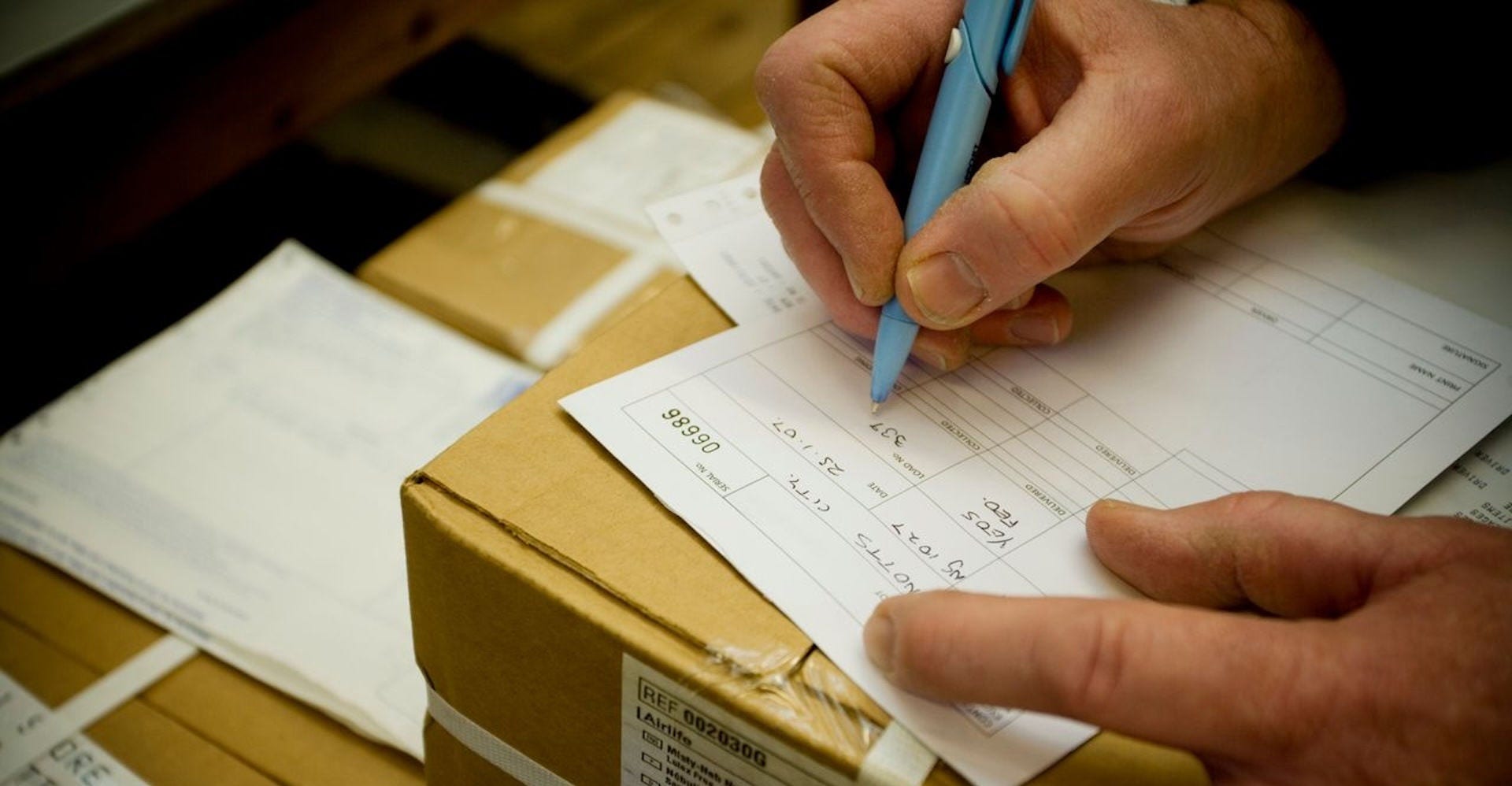
By making the paper match the cargo. Heavy imports into Brazil usually leave the simplified courier flow and go through formal clearance, registered in Siscomex. In that flow, customs compares what was declared with what arrived: number of pieces, weight, description and tariff classification.
When something does not match, the goods can be selected for a document check or a physical inspection. That is when cargo sits in the bonded area, running up storage fees while your line waits. Three documents carry most of the weight:
A common case: the supplier invoices "machine parts" and the pallet carries a shaft, a gearbox and an electrical panel. A vague description invites a customs query. Describing item by item, with material and function, fixes it before the problem exists. For the clearance steps, the customs clearance guide walks through the whole process.
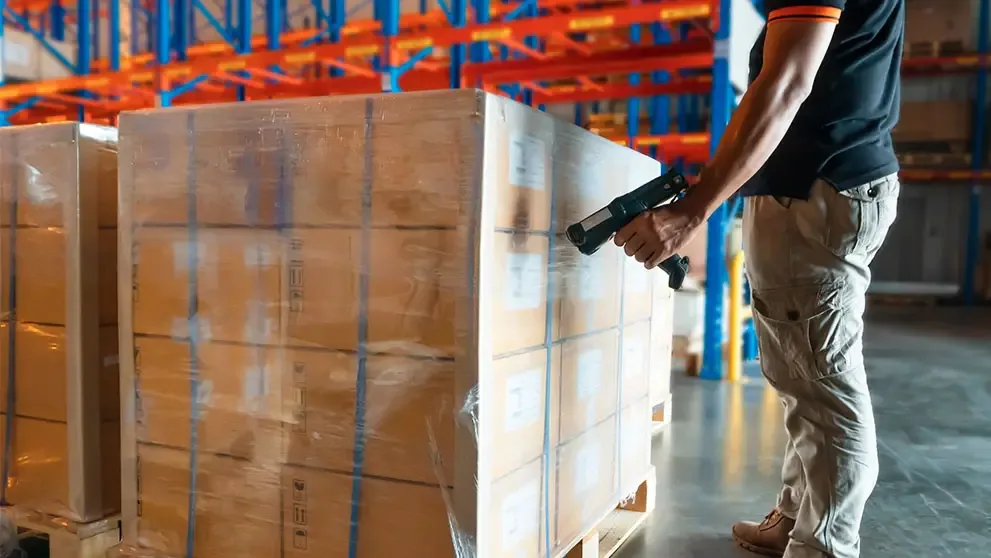
Inspection is the cheapest way to prevent freight damage: ten minutes at dispatch saves days of trouble on the road. Use this sequence on the packed piece, ready to go:
On handling marks, a word of warning: a fragile label signals care, but it does not protect the cargo on its own. Packaging does.
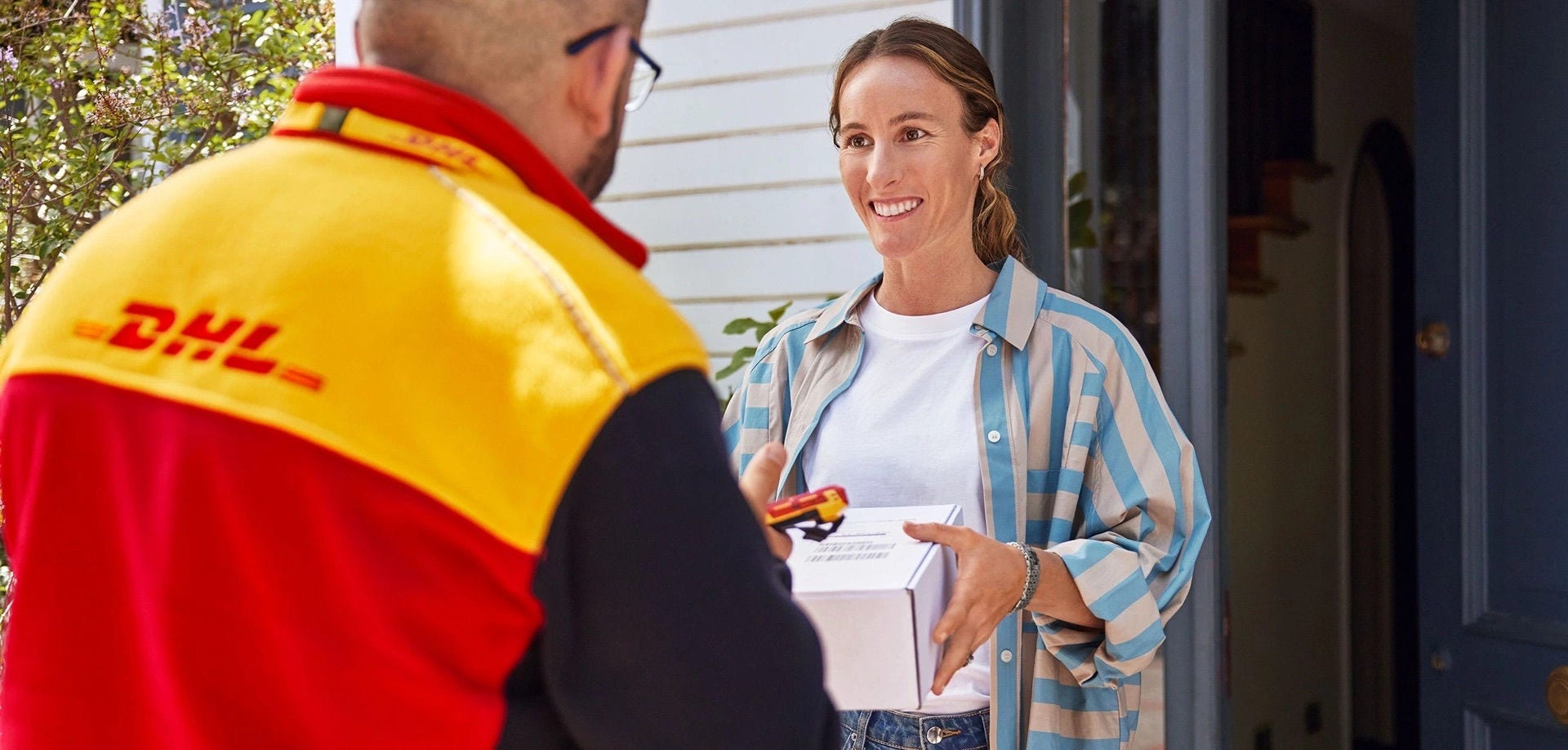
Record everything at delivery, before you sign. The evidence you gather on receipt is what supports any claim later. The routine is short:
Notice periods are short and counted in days. The guide to cargo insurance sets out each one and the documents a claim needs.
When importing, Brazilian customs rules have two points few companies know. The Customs Regulation (Decree No. 6,759/2009) requires any piece that arrives broken, with a weight difference, signs of tampering or damage to be repaired and weighed at unloading, with a note in the unloading record made by the bonded warehouse operator (art. 63, § 1). And in case of damage, the customs value of the goods is reduced in proportion to the loss, at the request of the interested party (art. 89). In other words, damage recorded on arrival can also reduce the tax base.
It solves part of it. Insurance and declared value pay back the value of the goods under the agreed terms. They do not pay back production time or a lost contract.
It is worth knowing the limit that applies without extra cover. Under the DHL Express Terms and Conditions of Carriage, DHL's liability is strictly limited to direct loss of or damage to a Shipment and to the per kilogram limits set out in the Terms and Conditions of Carriage. All other types of loss or damage (including, but not limited to, loss of profits, loss of interest and future business) are excluded, whether such loss or damage is indirect or consequential, and even if DHL has been notified of the risk of such loss or damage.
On high-value heavy cargo, the per kilogram limit rarely covers the goods. Two routes extend your protection: Shipment Value Protection, added to the shipment itself, and cargo insurance, through a policy. Incomplete information or unsuitable packaging removes liability for the damage, so prevention remains your first line of defence.
It is cargo that arrives with physical damage: torn packaging, broken, dented, wet or missing parts. Damage can be visible on the packaging or concealed, found only when the piece is opened.
It depends on where and when the damage happened and on what was agreed in the sale. The Incoterm defines the point at which risk passes from seller to buyer. Damage caused by unsuitable packaging or wrong information about the cargo usually stays with whoever packed and declared it.
You can sign, but with a note. Describe the damage you saw on the proof of delivery itself, photograph the packaging and keep everything. Signing without a note weakens the claim later.
Not necessarily. Under article 89 of the Customs Regulation (Decree No. 6,759/2009), in case of damage the customs value is reduced in proportion to the loss, at the request of the interested party. That is why recording damage on arrival matters.
Heaviest items at the bottom, aligned columns, load strapped to the pallet, nothing overhanging the edge and protected corners. The guide on how to palletize cargo has the full step by step.
With DHL Heavy Weight Express, international shipments from 50 kg travel through a single network, from pickup to delivery, with customs clearance handled in the same flow. The DHL Heavy Weight Express guide covers weights, dimensions and when the service makes sense. Open a DHL Express account or talk to your account manager to quote your next shipment.
Share